


Batman has been punching clowns and brooding on gargoyles for over 85 years. That’s a long time to avoid a few spectacular missteps. Some of the most Batman storylines ever printed didn’t just push boundaries. They drop-kicked them into the Gotham River. A phone poll decided whether a Robin lived. A nudity controversy got quietly un-published mid-run. And one story exists purely because Frank Miller had Thoughts about the early 2000s.
Every long-running franchise eventually writes something it wishes it could delete from continuity. Batman has racked up more than his share. These storylines weren’t controversial for controversy’s sake, either. Several reshaped the Bat-family for over a decade, and others forced DC to alter a printed comic physically. Some made actual news outside the fandom. They’re ranked from “huh, that was a choice” to the story that basically invented the “DC did WHAT” genre of comic discourse.
Table of Contents
- 10. Holy Terror: The Batman Story DC Never Published
- 9. Batman: Venom and the Steroid Storyline
- 8. JLA: Tower of Babel and the “Batgod” Backlash
- 7. Batman Annual #28: The Nightrunner Backlash
- 6. All-Star Batman and Robin, the Boy Wonder
- 5. Nightwing #93 and Dick Grayson’s Assault
- 4. Batman: Damned and the Nudity Controversy
- 3. War Games and the Death of Stephanie Brown
- 2. A Death in the Family: Fans Vote to Kill Robin
- 1. Batman: The Killing Joke (1988)
- Final Thoughts
10. Holy Terror: The Batman Story DC Never Published
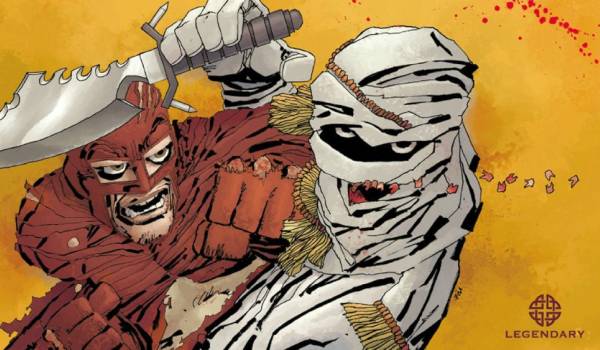
This one almost didn’t make the list, because technically, it isn’t a Batman story anymore. Frank Miller originally pitched Holy Terror to DC in the years after 9/11. In his own words, it’s a tale where “Batman kicks Al-Qaeda’s a**.” DC eventually passed on publishing it as a Batman book. Miller released it independently in 2011 with the hero renamed and rebranded. That decision didn’t make the controversy go away. Critics widely panned the finished product as dressed up as superhero action. That it started life as an official Batman pitch is exactly why it still comes up.
Why it’s controversial: Pitched as a post-9/11 Batman revenge story, later condemned as propaganda, and quietly scrubbed of the Batman name before release.
9. Batman: Venom and the Steroid Storyline
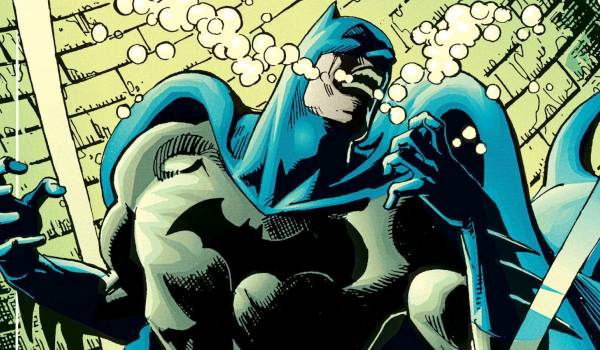
Long before Bane broke the Bat, his signature drug got a test run on the hero himself. In 1991’s Batman: Venom, Bruce Wayne starts using a strength-boosting steroid after failing to save a child. The story tracks his slide into dependency and increasingly reckless behavior. For a character built on iron discipline, watching him spiral into addiction felt like a genuine risk at the time. Some readers pushed back on humanizing Batman’s weaknesses so bluntly. It’s aged into one of the more respected entries here. But the initial “wait, Batman’s on drugs?” reaction was very real.
Why it’s controversial: Batman becomes addicted to a performance-enhancing drug, undercutting his usual “always in control” image.
8. JLA: Tower of Babel and the “Batgod” Backlash
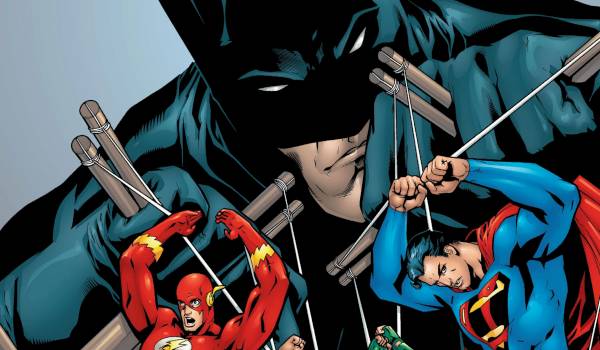
Mark Waid’s 2000 arc revealed that Batman had secretly built contingency plans to take down the Justice League, “just in case.” When Ra’s al Ghul steals those plans and turns them against the team, the League nearly falls apart from the inside. Fans loved the paranoia-fueled premise. But it also cemented the idea that Batman always has a plan for everything and everyone, no exceptions. That trope, later nicknamed “Batgod,” has been debated in every crossover since, with critics arguing it turns every other hero into a prop for Batman’s genius.
Why it’s controversial: Established Batman as functionally unbeatable, fueling years of debate over whether it made him brilliant or just insufferable.
7. Batman Annual #28: The Nightrunner Backlash
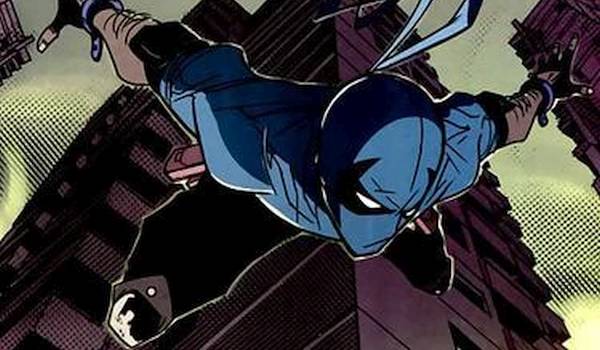
In 2011, DC introduced Bilal Asselah, a French-Algerian Muslim parkour runner recruited into Batman Incorporated as Nightrunner. The character himself was fairly minor, but the announcement alone triggered a genuine media firestorm. Conservative commentators called for boycotts and accused DC of political pandering. Some argued a Muslim character had no place under the Batman banner. DC and the creative team defended the character publicly, and Nightrunner became an early, high-profile flashpoint in the broader fight over diversity in mainstream superhero comics, a fight that, safe to say, has not exactly cooled off since.
Why it’s controversial: A new character’s introduction sparked political backlash and boycott calls before most readers had even opened the issue.
6. All-Star Batman and Robin, the Boy Wonder
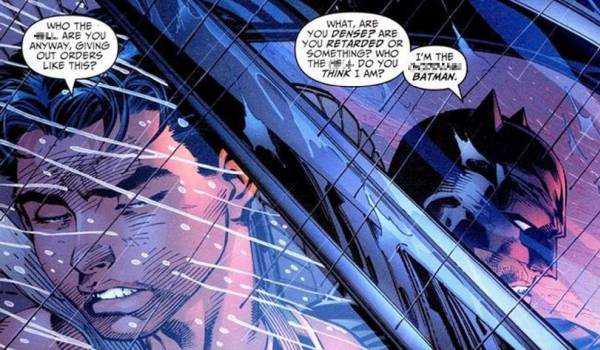
Frank Miller shows up twice on this list, and this is the more infamous appearance. His 2005 series reimagined an early Batman as unhinged, verbally abusive toward a preteen Dick Grayson, and prone to shouting “I’m the G*ddamn Batman” while endangering him for training purposes. Critics slammed the treatment of female characters throughout the run, and one issue notoriously shipped with a lettering error that left an offensive slur about a teenage Batgirl barely hidden under a censor bar, forcing DC to recall it. It’s since become shorthand for “grim and gritty” superhero writing taken past the point of usefulness.
Why it’s controversial: An abusive take on Batman’s mentorship of Robin, paired with a printing error that forced an actual comic recall.
5. Nightwing #93 and Dick Grayson’s Assault
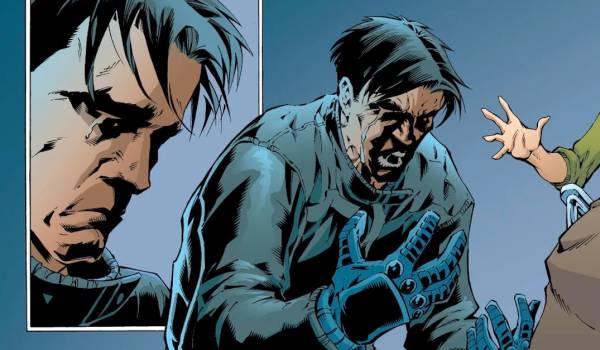
This 2004 issue depicted the sexual assault of Dick Grayson by the villain Tarantula, a storyline that drew immediate criticism for how casually it treated a male character’s assault compared to how the industry usually handles the same subject for women. Writer Devin Grayson later spoke publicly about regretting how the scene was written and framed within the larger story. It’s frequently cited in conversations about double standards in comics, specifically how male trauma gets played for shock or brushed past entirely instead of being taken seriously.
Why it’s controversial: Treated a male hero’s sexual assault as a plot beat rather than a subject worth handling with real weight.
4. Batman: Damned and the Nudity Controversy
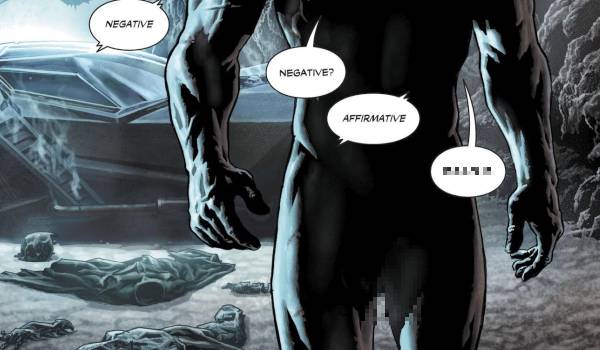
DC’s 2018 Black Label imprint launched with Batman: Damned, and issue #1 made headlines fast for featuring full frontal nudity of Bruce Wayne, a first for the character in mainstream publication. The backlash wasn’t really about the nudity itself so much as the inconsistency: later printings and the digital edition were quietly edited to cover the image, which only drew more attention to it. The whole saga became a case study in how far “mature readers” branding can stretch before a publisher gets cold feet about its own decision.
Why it’s controversial: A first-of-its-kind nudity moment that DC itself walked back after the fact, creating a bigger stir than the panel alone.
3. War Games and the Death of Stephanie Brown
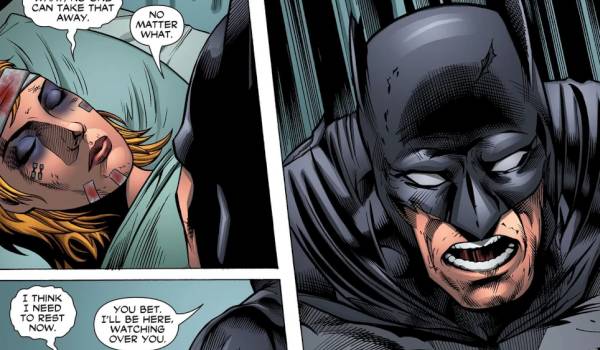
Stephanie Brown had just taken over as Robin when 2004’s War Games storyline had her captured and tortured to death by the villain Black Mask. Fans were furious, both at the brutality of her death and at how little the story acknowledged it afterward; Stephanie didn’t even get a memorial case in the Batcave for years, unlike every other fallen Robin. It became one of the most cited examples of the “women in refrigerators” trope, where female characters are killed off mainly to generate pain for the male heroes around them. The backlash was loud enough that DC eventually brought her back and gave her the Batgirl mantle she’d been denied.
Why it’s controversial: A new Robin was killed off and then largely ignored by her own book, sparking lasting fan outrage.
2. A Death in the Family: Fans Vote to Kill Robin
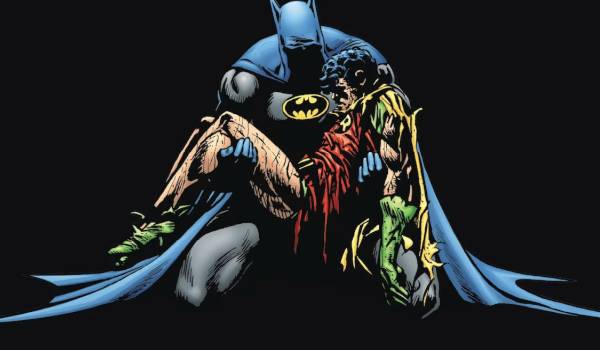
In 1988, DC did something no publisher had really tried before: it let readers decide, by a 900-number phone poll, whether Jason Todd would live or die after the Joker beats him with a crowbar and leaves him with a bomb. The vote came in razor-close, and Jason died by a margin of just 72 calls. For the first time, fans were literally responsible for a Robin’s death, and the stunt drew both praise for its boldness and real criticism for turning a character’s life into an audience gimmick. Jason stayed dead for 15 years before returning as the Red Hood, but the poll itself remains one of the most talked-about moments in comics history.
Why it’s controversial: Readers voted by phone to kill a Robin, making fans directly complicit in a character’s death.
1. Batman: The Killing Joke (1988)
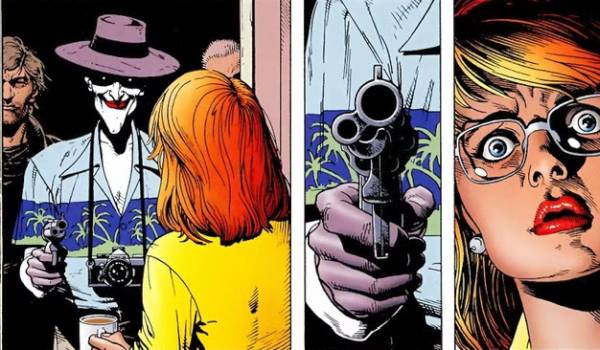
It had to be this one. Alan Moore and Brian Bolland’s one-shot is one of the most acclaimed Batman stories ever published, and also one of the most criticized. The Joker shoots Barbara Gordon through the spine, paralyzing her, then strips and photographs her to torment her father, Commissioner Gordon, all in service of proving a point to Batman. Moore has since said DC editorial specifically asked him to “cripple” Barbara, and he’s called his own handling of it “clumsy” in later interviews. Critics have long pointed to it as the defining example of “women in refrigerators,” a story where a woman’s suffering exists purely to fuel the men around her. Barbara’s paralysis defined her character for over a decade before writers finally returned her to the cape as Batgirl. Nearly forty years later, it’s still the story every “most controversial Batman storylines” conversation ends up circling back to.
Why it’s controversial: Barbara Gordon’s paralysis and assault were used as motivation for the men around her, cementing it as comics’ most-cited “fridging” example.
Final Thoughts
Some of these controversial Batman storylines are legitimately great comics that just handled sensitive material poorly. Others are cautionary tales about what happens when nobody in the room pumps the brakes. Either way, several of them reshaped the Bat-family for good. Barbara became Batgirl again, Stephanie got her mantle, Jason came back meaner than ever, and the fandom is still not over any of it.
FAQ
What is the most controversial Batman storyline of all time?
Most fans point to Batman: The Killing Joke, where the Joker shoots and paralyzes Barbara Gordon to torment her father and Batman. It’s the story most cited in “women in refrigerators” discussions and still divides readers decades later.
Why is A Death in the Family considered so controversial?
DC let readers vote by a 900-number phone poll on whether Jason Todd should survive the Joker’s attack. He died by a narrow 72-vote margin, making fans directly responsible for a Robin’s death for the first time in comics history.
Did any Batman writers regret these controversial storylines?
Yes. Alan Moore has called his work on The Killing Joke “clumsy,” and Nightwing #93 writer Devin Grayson has spoken publicly about regretting how Dick Grayson’s assault storyline was written and handled.
Is Batman: The Killing Joke still considered canon?
Loosely, yes. DC has softened or reframed parts of it over the years, but Barbara Gordon’s paralysis and her eventual return as Batgirl are still treated as having happened within mainstream continuity.
What happened to Stephanie Brown after War Games?
After major fan backlash over her death and the lack of an in-story memorial, DC eventually brought Stephanie Brown back and gave her the Batgirl mantle she’d originally been denied.
Discover more from The Geek Twins
Subscribe to get the latest posts sent to your email.
