


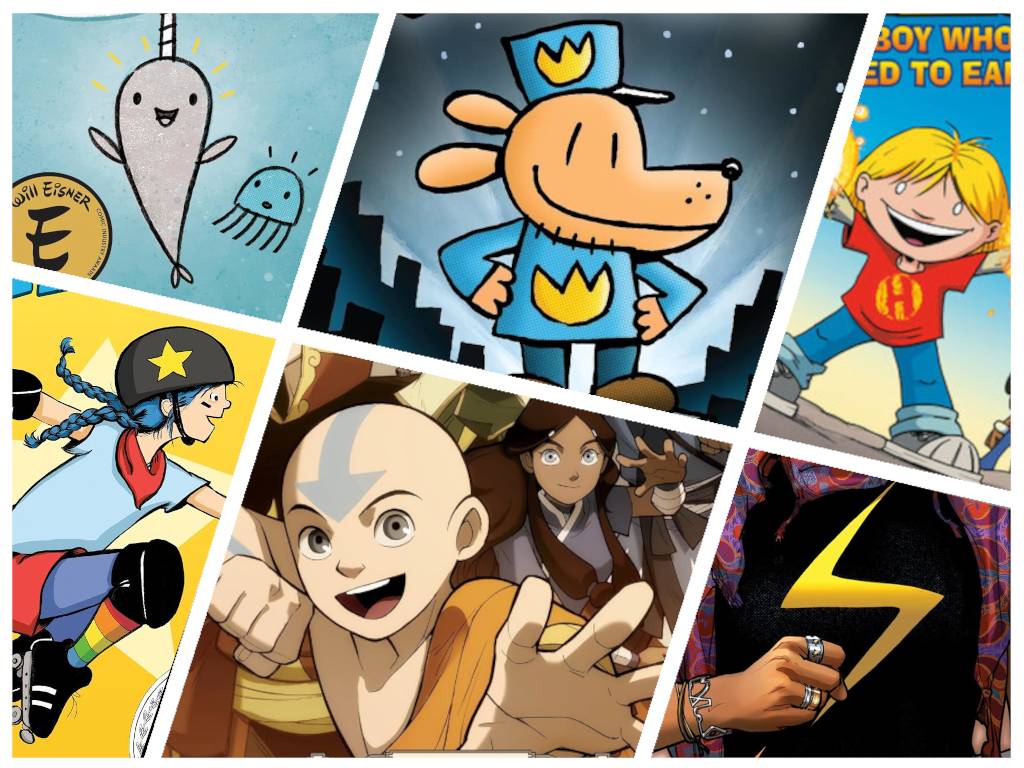
Read on to find out the best comic books for kids. Remember when grown-ups warned that comics would rot your brain? Yeah, about that. In 2020, Jerry Craft’s New Kid became the first graphic novel to win the Newbery Medal. Today, librarians build entire shelves around comic books for kids, and those shelves empty fast.
The tricky part is choosing. A five-year-old and a twelve-year-old want wildly different things from a comic. One wants a goofy narwhal. The other wants identity, drama, and maybe a dragon prophecy.
So we did the sorting for you. We split the 20 best comic books for kids into three age groups, then ranked each group. Whether you’re shopping for a reluctant reader or a kid who already hoards trading cards, something here will stick.
Heads-up: this post contains affiliate links. If you buy something through them, we may earn a small commission at no extra cost to you. As an Amazon Associate, The Geek Twins earns from qualifying purchases. We only recommend comics we’d actually hand to our own kids.
Table of Contents
How We Ranked the Best Comic Books for Kids
First, we split our picks into three age bands. Ages 4–7 covers early readers and read-aloud fans. The Ages 7–10 section covers the chapter-book crowd. Ages 10–13 covers tweens who want real stakes.
Next, we judged every pick on four things. Does the kid want to reread it? Is the content right for the age? Does the art help a young reader follow the story? And is there a series waiting once they finish book one?
That last point matters more than you’d think. The best comic books for kids rarely work as one-and-done reads. Instead, they hook kids into a series, and suddenly your reluctant reader is begging for book seven.
We also gave bonus points for gateway potential. A great kids comic can lead straight into DC, Marvel, or Star Wars fandom. Honestly, that’s how many of us got here.
Finally, we leaned on trusted sources like the American Library Association’s Best Graphic Novels for Children list. Still, treat our age ranges as guidelines, not law. Strong readers jump bands all the time, and that’s fine. The best comics for kids are simply the ones they actually finish.
Best Comic Books for Kids Ages 4–7
Comic books for kids in this age range share a few traits. Panels are big. Speech bubbles hold just a few words. Meanwhile, the jokes land through pictures as much as text.
That combination matters for brand-new readers. Pictures give context clues, so kids can decode tricky words without stalling out. As a result, they feel successful, and success builds the habit.
These picks also work as read-alouds. You can read the bubbles together, point at the panels, and let your kid “read” the expressions. Before long, they’ll take over and correct your voices. Brace yourself for that.
Publishers have caught on, too. Lines like TOON Books and Scholastic’s Graphix imprint now label titles by reading level or age. Consequently, shopping for early-reader comics for kids is easier than ever.
Our five picks below lean funny, gentle, and endlessly rereadable. Expect friendship stories, silly animals, and a tiny superhero team. In short, these are the best comic books for kids who are just starting out, and for the grown-ups reading them for the forty-seventh time.
1. Narwhal and Jelly
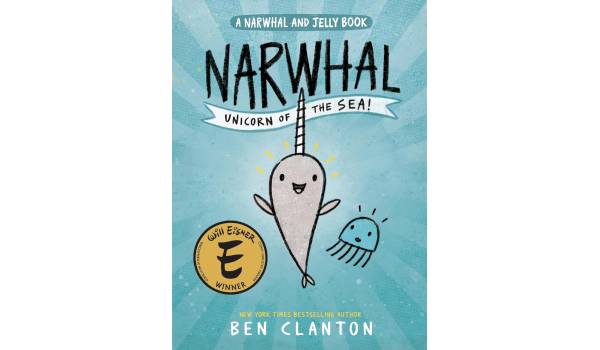
Ben Clanton’s Narwhal and Jelly tops our list for the youngest readers. The series launched in 2016 from Tundra Books, and it keeps growing. The setup is simple. Narwhal is a relentlessly upbeat dreamer who loves waffles. Jelly is a skeptical jellyfish who doubts narwhals even exist.
Together, they make a perfect odd couple. Narwhal’s optimism crashes into Jelly’s sarcasm, and the comedy writes itself. Better yet, the humor works on two levels. Kids laugh at the silliness, while parents catch the drier jokes.
Each book splits into short, three-part chapters. That structure is genius for early readers. Kids finish a chapter quickly, feel accomplished, and immediately want the next one. Over time, those wins build real reading stamina.
The art stays clean and bright, with plenty of white space. As a result, young eyes never get lost on the page. Words stay large and simple, too.
So why is it number one? Because it’s genuinely fun for everyone at the table. Among comic books for kids ages 4–7, few survive repeat bedtime readings this well. Start with book one and watch the waffle obsession spread.
Check out Narwhal and Jelly on Amazon
2. Benny and Penny
Geoffrey Hayes created Benny and Penny for TOON Books, a publisher built around comics for early readers. The stars are two mouse siblings. Benny is the big brother who wants to play pirate. Penny is the little sister who wants to tag along. Naturally, they argue.
Then they make up. Then they argue again. If you have more than one kid, you know this cycle. That relatability is exactly why these books land.
The series also has serious credentials. Benny and Penny in The Big No-No! won the Theodor Seuss Geisel Award. That honor goes to the most distinguished book for beginning readers. In other words, librarians love these mice.
TOON Books designs each title with leveled text. Short sentences repeat key words, and the panels clearly show who’s talking. Consequently, kids can sound out the story with minimal help.
The watercolor-style art feels warm and old-fashioned in the best way. Moreover, the stories quietly teach patience, sharing, and forgiveness without lecturing. Among early comic books for kids, it’s the gentlest pick on our list. It’s also one of the best choices for siblings to read together, assuming they stop bickering long enough.
Check out Benny and Penny on Amazon
3. Tiny Titans
What if the Teen Titans were in elementary school? That’s the whole premise of Tiny Titans from Art Baltazar and Franco. DC published the series, and it’s pure sugar-rush goofiness from start to finish.
Robin, Starfire, Beast Boy, and Raven become pint-sized classmates. Meanwhile, Principal Slade runs the school with very little success. Batman villains and Justice League cameos pop up constantly. For comic fans, spotting the deep cuts is half the fun.
Baltazar’s chunky, round art style looks like a cartoon come to life. Faces are big and expressive, so pre-readers can follow the gags without reading every word. Each issue also packs several short stories, which suits short attention spans.
Here’s why it ranks so high. Many superhero comics aren’t right for little kids. They can be violent, dark, or just too complicated. Tiny Titans avoids all of that. The biggest conflict might involve a treehouse.
As a result, it’s the best gateway into DC for the under-eight crowd. Among superhero comic books for kids, nothing else feels this safe and this silly. Your kid gets the costumes and the in-jokes, minus the nightmares.
Check out Tiny Titans on Amazon
4. Owly
Andy Runton’s Owly proves comics don’t need many words to tell a great story. The original books came out through Top Shelf. Later, Scholastic’s Graphix imprint relaunched the series in full color.
Owly is a kind-hearted little owl who desperately wants friends. Along the way, he befriends a worm named Wormy and helps other woodland creatures. The stories focus on kindness, loneliness, and friendship. Honestly, they can get a little emotional.
Most of the storytelling is wordless. Characters communicate with symbols, expressions, and pictures inside speech bubbles. Because of that, kids “read” the panels long before they can read words.
That makes Owly a secret weapon for several kinds of families. Pre-readers can enjoy it independently. Kids learning English can follow along without frustration. Even older siblings can practice narrating the story out loud.
Furthermore, wordless comics teach a skill people underrate. Kids learn to read sequence, emotion, and cause and effect from images. Those skills transfer directly to reading comprehension later.
Among comic books for kids ages 4–7, Owly is the most quietly heartfelt pick. It ranks fourth only because the jokes are gentler than the competition’s. Still, plenty of kids will call it their favorite.
5. Cat Kid Comic Club
Dav Pilkey’s Cat Kid Comic Club spins off from the Dog Man universe. However, it’s a different kind of book. Here, Li’l Petey and Flippy teach a pond full of baby frogs how to make their own comics.
The frogs then share their creations, and each one looks different. Pilkey uses crayon drawings, clay figures, photographs, and paper cutouts. As a result, the book feels like a scrapbook of kid creativity.
That’s the real magic. Kids finish reading and immediately grab paper to make their own comics. Pilkey basically wrote a 200-page permission slip to get creative.
The book also sneaks in lessons about feedback and persistence. The frogs mess up, get discouraged, and try again. Meanwhile, the jokes keep coming at classic Pilkey speed.
It ranks fifth in this group because it skews toward the older end, roughly ages 6 and up. Some passages are text-heavy for brand-new readers. Nevertheless, it makes the perfect bridge between early comics and the full Dog Man series.
If your kid loves drawing, start here. Among comic books for kids, few inspire this much hands-on creativity. Just stock up on markers first.
Check out Cat Kid Comic Club Books 1–5 on Amazon
Best Comic Books for Kids Ages 7–10
This is the sweet spot. Kids ages 7–10 can read independently, but long prose books may still feel like homework. Comic books for kids in this range bridge that gap beautifully.
Stories get longer here. Recurring villains appear. Plot twists actually twist. Furthermore, characters change over a series, so kids start caring about where they’ll end up.
Series depth matters most at this age. A kid who finishes book one wants book two immediately. Fortunately, every pick below has several volumes waiting. That built-in momentum turns reluctant readers into voracious ones.
Humor also gets sharper. Expect puns, gross-out gags, and slapstick, sometimes all on one page. Parents may groan. Kids will absolutely not.
You’ll also see a wider range of genres. We’ve got cop comedy, epic fantasy, sci-fi, spy capers, and yes, Star Wars. As a result, you can match a comic to whatever your kid already loves.
These seven picks represent the best comic books for kids in early elementary through fourth grade. Several also hit the big screen, which helps with buy-in. Let’s start with the undisputed king of the school library.
6. Dog Man
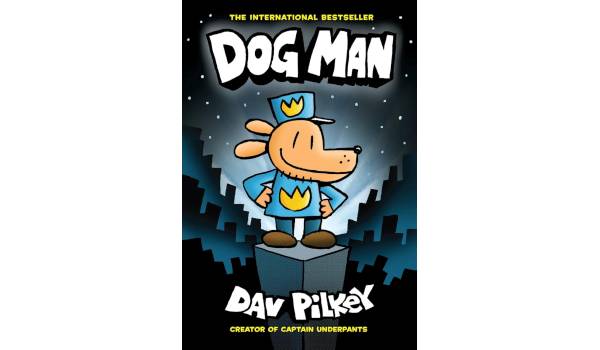
If you’ve walked into an elementary school lately, you know Dog Man. Dav Pilkey’s series follows a police officer and his dog. After an accident, surgeons sew the dog’s head onto the cop’s body. Logic is optional here.
Dog Man fights crime, chews furniture, and battles Petey, “the world’s most evil cat.” Over time, though, Petey becomes one of the series’ most complex characters. His relationship with Li’l Petey gives the books surprising heart.
The series currently stands at 14 books. Even better, book 15, Dog Man: A Sprinkle in Time, arrives November 3, 2026. Grandpa messes with time and space in this one. Translation: holiday shopping just got easy.
Pilkey also fills each book with “Flip-O-Rama” pages. Kids flip back and forth to animate fight scenes. It sounds simple, yet kids lose their minds over it.
So why does it rank first in this group? No other series converts non-readers like this. Pilkey himself struggled with ADHD and dyslexia as a kid. He writes for the kids he used to be. Among comic books for kids, that empathy shows on every page.
Check out the Dog Man 1–6 box set on Amazon
Preorder Dog Man: A Sprinkle in Time on Amazon
7. Bone
Jeff Smith’s Bone is a modern classic. Smith first published it between 1991 and 2004. Later, Scholastic released full-color editions that introduced it to a new generation.
The story starts with three cartoon cousins: Fone Bone, Phoney Bone, and Smiley Bone. After getting run out of Boneville, they stumble into a mysterious valley. There, they meet a farm girl named Thorn, her tough-as-nails Gran’ma Ben, and some very hungry rat creatures.
At first, Bone feels like Looney Tunes. The slapstick is top-tier, and the rat creatures argue about quiche. However, the story gradually grows into a sweeping fantasy epic. By the end, it feels closer to The Lord of the Rings.
That evolution is exactly why it’s special. Kids grow alongside the story. As a result, it rewards rereading at older ages.
One heads-up for parents: later volumes get darker, with real battles and danger. Therefore, it fits best for ages 8 and up. Sensitive readers might need a check-in.
Still, among comic books for kids, few stories feel this ambitious. It’s the comic that proves kids can handle big, complicated storytelling. Frankly, adults love it too.
8. Hilo
Judd Winick’s Hilo starts with a boy falling out of the sky. He crash-lands on Earth wearing silver underpants and remembers absolutely nothing. Fortunately, a kid named DJ and his friend Gina take him in.
Winick created the cartoon Juniper Lee, so he knows kid comedy. Hilo is wildly enthusiastic about everything Earth offers, especially food. Meanwhile, killer robots keep showing up, and Hilo slowly remembers why.
The series balances big sci-fi action with genuine heart. DJ feels ordinary next to his overachieving family. Gina struggles with fitting back in after moving. As a result, the emotional stakes feel just as real as the robot fights.
The art is bright, bouncy, and easy to follow. Action scenes read clearly, which matters for younger readers. Plus, every book ends on a hook that demands the next one.
If your kid loved Big Hero 6, hand them Hilo immediately. It hits the same mix of tech, friendship, and laughs.
Among comic books for kids ages 7–10, Hilo might be the most underrated series. It deserves the same shelf space as Dog Man. Honestly, it might even be more fun for parents.
9. Star Wars: Jedi Academy
Jeffrey Brown’s Star Wars: Jedi Academy asks a great question. What if Star Wars were middle school? Scholastic publishes the series, and it’s a blast.
Roan Novachez dreams of pilot school. Instead, he gets rejected and lands at Jedi Academy. Now he’s stuck learning the Force, surviving awkward crushes, and dealing with Yoda as a teacher. Yoda’s grammar remains a problem.
The format mixes comic panels with diary entries, doodles, and school notes. Consequently, it feels a lot like Diary of a Wimpy Kid. Kids who love that series will slide right in.
Brown nails the middle school feelings, too. Roan worries about friends, grades, and embarrassment. The galaxy-far-far-away setting just makes those worries funnier.
Additionally, the series works for kids who’ve never seen the movies. You don’t need lore to laugh at a lightsaber gym class. However, fans will catch plenty of cameos and references.
Why does it rank here? Because it’s the easiest way to raise a tiny Star Wars nerd. Among comic books for kids, it blends franchise fun with real school-life heart. That’s a rare combo, and it works.
Check out Star Wars: Jedi Academy on Amazon
10. InvestiGators
John Patrick Green’s InvestiGators stars two alligator secret agents, Mango and Brash. They work for an agency called S.U.I.T. And yes, they travel through the sewer system. Specifically, they get flushed. First Second publishes the series, and it’s gloriously ridiculous.
The puns never stop. Seriously, Green fits wordplay into almost every panel. Villains have pun names. Gadgets have pun names. Even the chapter titles are puns. Parents will groan constantly, and kids will howl.
Beneath the jokes, though, the plotting is surprisingly smart. Mysteries have real clues, and twists pay off. Meanwhile, Mango and Brash bicker like classic buddy-cop partners.
The art is colorful and expressive, with clean panel layouts. As a result, kids can follow fast action without getting lost. The books also run long enough to feel substantial.
InvestiGators works especially well for kids who finished Dog Man and want more. It has similar energy, similar humor, and plenty of volumes. It also has spinoffs, so the fun keeps going.
Among comic books for kids ages 7–10, this is the pun lover’s pick. Just be ready to hear every joke repeated at dinner.
Check out InvestiGators on Amazon
11. The Bad Guys
Aaron Blabey’s The Bad Guys stars animals with terrible reputations. Mr. Wolf, Mr. Snake, Mr. Shark, and Mr. Piranha want to become heroes. Unfortunately, everyone screams and runs when they show up.
So they form a team and attempt good deeds. Naturally, things go sideways. Rescues turn into chaos, and their own instincts keep getting in the way. Later, a hacker named Ms. Tarantula joins the crew.
Scholastic publishes the series, and it’s built for speed. The books mix big comic-style art with short text passages. Kids blow through each one quickly, which builds serious reading confidence.
The series also got a major boost from DreamWorks. The Bad Guys hit theaters in 2022, and a sequel followed in 2025. As a result, many kids already know the characters before cracking a book.
Beyond the laughs, the books carry a solid message. Don’t judge others by appearances. Blabey delivers it without preaching, which is impressive given the shark jokes.
Among comic books for kids, The Bad Guys works best for younger readers in this band. It ranks eleventh simply because the format leans hybrid. Still, it’s heist-movie fun on every page.
Check out The Bad Guys box set on Amazon
12. Lunch Lady
Jarrett J. Krosoczka’s Lunch Lady has the best pitch on this list. She serves sloppy joes by day. Also by day, she fights crime. Knopf publishes the series, and it’s delightfully absurd.
Lunch Lady and her assistant Betty run a secret crime-fighting operation from the cafeteria. Betty builds gadgets from kitchen supplies. Think fish-stick nunchucks and spork-based tech. Meanwhile, three students suspect something strange is happening.
Each book pits Lunch Lady against a ridiculous villain. One features a cyborg substitute teacher. Others involve sinister librarians and scheming coaches. The stakes are silly, but the action moves fast.
The art uses a limited color palette, mostly black, white, and yellow. As a result, pages stay clean and easy to read. Kids can zip through a book in one sitting.
Krosoczka also has a great backstory. A real lunch lady from his childhood inspired the series. Years later, he even invited her to events. That warmth shows up throughout the books.
Among comic books for kids ages 7–10, Lunch Lady is quick, quirky, and endlessly fun. It ranks last in this group only because the competition is fierce. Your kid will never look at cafeteria staff the same way.
Check out Lunch Lady on Amazon
Best Comic Books for Kids Ages 10–13
Tweens want more than jokes. They want stories about who they are and where they fit. Fortunately, comic books for kids in this age range deliver exactly that.
Here, you’ll find stories about identity, friendship, family, and belonging. Several picks are memoirs based on the creators’ own childhoods. Others are sprawling fantasy sagas with real danger.
This is also where superhero comics for kids get genuinely great. Marvel’s best teen-led books from the last decade are smart, funny, and full of heart. They also show kids heroes who look and live like them.
That said, maturity levels vary more in this band. A sensitive ten-year-old and a savvy thirteen-year-old are different readers. Therefore, parents may want to preview the Marvel picks first.
Several of these titles also carry major awards. You’ll see a Newbery Medal, a Newbery Honor, and a Hugo Award below. That’s not bad for a format people once called “just comics.”
These eight picks represent the best comic books for kids heading into middle school. Many of them double as bridges to prose novels. Let’s start with a story about bruises, both physical and emotional.
13. Roller Girl
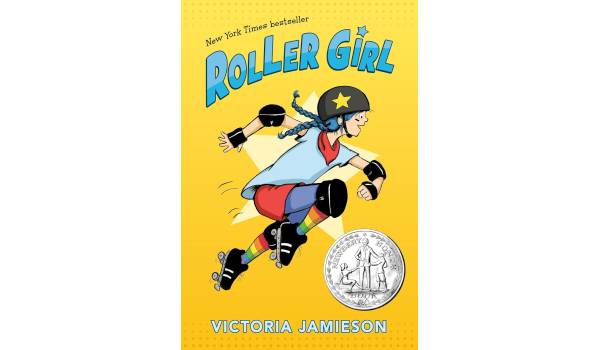
Victoria Jamieson’s Roller Girl proves you don’t need magic or superpowers for a great comic. Dial Books published it in 2015. The following year, it earned a Newbery Honor.
Twelve-year-old Astrid falls hard for roller derby after her mom takes her to a bout. So she signs up for derby camp. She assumes her best friend Nicole will join her. Instead, Nicole picks dance camp, and things get awkward fast.
That’s the real heart of the book. Astrid learns that friends can grow apart without anyone being the villain. Meanwhile, she discovers she’s terrible at skating, at least at first.
Jamieson knows this world firsthand. She skated with Portland’s Rose City Rollers under the name Winnie the Pow. As a result, every fall, bruise, and practice drill feels authentic.
The art is bright and energetic, and the derby scenes move with real speed. Furthermore, Astrid makes plenty of mistakes, which keeps her refreshingly human.
Among comic books for kids ages 10–13, Roller Girl earns the top spot for one reason. It nails the messy jump into middle school better than almost anything. Sports fans and non-sports fans alike will cheer for Astrid.
Check out Roller Girl on Amazon
14. New Kid
Jerry Craft’s New Kid made history. In 2020, it became the first graphic novel to win the Newbery Medal. It also won the Coretta Scott King Author Award. Quill Tree Books published it in 2019.
The story follows Jordan Banks, a seventh grader who loves drawing. He wants to attend art school. Instead, his parents enroll him at Riverdale Academy Day School, a prestigious private school. There, he’s one of the few students of color.
Jordan then navigates two worlds. At school, he deals with awkward classmates and clueless teachers. Back in his Washington Heights neighborhood, he worries about fitting in there, too.
Craft handles microaggressions with sharp humor and honesty. Teachers mix up students of color. Classmates make careless assumptions. Consequently, readers of every background learn to recognize these moments.
Yet the book never feels like a lecture. It’s genuinely funny, with clever chapter-opening pages that parody famous movies and books. Jordan’s sketchbook pages add another layer of personality.
Among comic books for kids, New Kid might be the most important pick on our list. It also has two sequels, Class Act and School Trip. Hand it to any middle schooler, then discuss it at dinner.
15. Smile
Raina Telgemeier’s Smile kicked off the modern graphic memoir boom for kids. Graphix published it in 2010, and it’s never really left bestseller lists since.
It’s a true story. In sixth grade, Raina trips and badly injures her two front teeth. What follows is years of braces, surgeries, headgear, and fake teeth. Meanwhile, she also has to survive middle school.
That’s the genius of Smile. The dental drama is the hook, but the real story is about growing up. Raina deals with fickle friends, crushes, and figuring out who she wants to be.
Telgemeier’s art is clean, warm, and incredibly expressive. As a result, kids feel every embarrassing moment right alongside her. Many readers say it feels like reading their own diary.
The book also shows kids that awkward phases end. That reassurance matters for tweens who feel like their whole life is one long cringe.
Furthermore, Smile opens the door to Telgemeier’s other books, including Sisters, Guts, and Drama. Among comic books for kids ages 10–13, few creators have built such a loyal fanbase. Start here, and expect a request for the rest.
16. Avatar: The Last Airbender – The Promise
If your kid finished Avatar: The Last Airbender, they need The Promise. Dark Horse published this canon continuation in 2012. Gene Luen Yang wrote it, and the art team Gurihiru drew it.
The story picks up right after the series finale. Aang, Zuko, Katara, Sokka, and Toph try to rebuild the world. However, peace turns out to be complicated. Fire Nation colonies in the Earth Kingdom don’t want to leave.
That conflict raises big questions. What happens to families who’ve lived somewhere for generations? Can Zuko be a good Fire Lord without becoming his father? Meanwhile, Aang faces a promise he may have to break.
Yang knows these characters cold. The voices feel exactly right, and the humor matches the show. Gurihiru’s art looks so faithful that it practically animates in your head.
The book also sets up the origins of Republic City. As a result, it bridges the original series and The Legend of Korra.
Among comic books for kids, this is essential for fans. It ranks here because it works best for kids who know the show. If they do, they’ll devour it.
Check out Avatar: The Last Airbender – The Promise on Amazon
17. The Unbeatable Squirrel Girl
Marvel’s The Unbeatable Squirrel Girl is the funniest superhero comic of the 2010s. Ryan North wrote it, and Erica Henderson drew most of its run. It’s sharp, kind, and wonderfully weird.
Doreen Green is Squirrel Girl. She has the powers of a squirrel and a girl. She also studies computer science in college. Her sidekick, Tippy-Toe, is an actual squirrel with a tiny bow.
Here’s what makes the series special. Doreen often beats villains by talking to them. She figures out what they really want, then solves the problem. Sometimes that means a punch. Often, it means empathy and math.
The humor works on every level. Tiny footnote jokes run along the bottom of the pages. Meanwhile, Doreen’s “Deadpool’s Guide to Super Villains” trading cards poke fun at Marvel history.
Henderson’s art is chunky, expressive, and nothing like typical superhero art. As a result, it feels fresh and approachable for younger readers.
Among superhero comic books for kids, this is the best entry into Marvel. Kids get the big names, including Iron Man and Galactus, without grim violence. Plus, they learn that kindness is a superpower.
Check out The Unbeatable Squirrel Girl on Amazon
18. Ms. Marvel: No Normal
Ms. Marvel launched in 2014 and immediately became a modern classic. G. Willow Wilson wrote it, and Adrian Alphona drew the first arc. The first volume, No Normal, later won the Hugo Award for Best Graphic Story.
Kamala Khan is a Pakistani American teen from Jersey City. She writes Avengers fan fiction and idolizes Captain Marvel. Then she suddenly gains shapeshifting powers. Being a hero, it turns out, is harder than fan fiction.
Kamala juggles strict parents, school, friendships, and her faith. Meanwhile, she tries to protect her neighborhood. That balancing act makes her one of Marvel’s most relatable heroes.
Wilson writes Kamala’s family with warmth and humor. Her parents worry, her brother lectures, and her friends keep secrets. Consequently, the book feels like a family story with superpowers attached.
Alphona’s art adds tons of tiny background jokes. Readers will spot something new on every reread.
Kamala later joined the screen side, too. She starred in her own Disney+ series and The Marvels. Among comic books for kids, it best suits ages 11 and up. Mild superhero action keeps it accessible, but the themes run deep.
Check out Ms. Marvel: No Normal on Amazon
19. El Deafo
Cece Bell’s El Deafo is a memoir that feels like a superhero origin story. Abrams published it, and it earned a Newbery Honor.
At four years old, Cece got very sick and lost much of her hearing. Soon, she started school wearing a bulky hearing aid called the Phonic Ear. It strapped to her chest, and she felt like everyone stared.
Then she discovered something amazing. The hearing aid let her hear her teacher anywhere in the school. That included the teachers’ lounge. And, yes, the bathroom. So Cece decided she had a secret superpower. She named herself El Deafo.
Bell draws every character as a rabbit, which keeps the tone warm. However, the story doesn’t shy away from hard feelings. Cece deals with loneliness, bossy friends, and people who talk to her too slowly.
As a result, readers build real empathy. Hearing kids learn what daily life looks like for deaf and hard-of-hearing peers. Meanwhile, deaf readers see themselves as the hero.
Among comic books for kids ages 10–13, El Deafo is funny, honest, and quietly powerful. It ranks nineteenth only because the list is stacked. It belongs in every classroom.
20. Wings of Fire: The Graphic Novels
Tui T. Sutherland’s Wings of Fire novels are a phenomenon. Thankfully, the graphic novel adaptations are just as gripping. Mike Holmes illustrates them, and Scholastic’s Graphix imprint publishes them.
The story follows five young dragons raised in secret. A prophecy says they’ll end a brutal war between dragon tribes. Unfortunately, the dragonets have no idea how. Clay, Tsunami, Glory, Starflight, and Sunny would honestly rather escape their underground prison.
The series doesn’t hold back. There’s real danger, betrayal, and dragon combat. Therefore, it fits best for ages 9 and up. Still, friendship and loyalty drive every book.
Holmes gives each dragon tribe a distinct look. MudWings, SeaWings, and RainWings all feel unique. As a result, readers keep track of a big cast easily.
Here’s the bonus. These graphic novels make a perfect bridge back to prose. Many kids finish the comics and immediately want the original novels. For reluctant readers, that’s a huge win.
Among comic books for kids, Wings of Fire closes our list with fire, literally. It’s epic fantasy built for tweens. Hand it to any kid who loves dragons, and say goodbye to their weekend.
Check out the Wings of Fire graphic novel box set on Amazon
Tips for Buying Comic Books for Kids
First, always start with book one. Series build characters and running jokes over time. Starting mid-series confuses kids and kills momentum fast.
Next, check the publisher’s age guidance. Scholastic’s Graphix line lists recommended ages on most titles. Similarly, TOON Books labels its comics by reading level. Those labels make shopping for comic books for kids far less stressful.
Then, let your kid choose whenever possible. Ownership matters. A comic they picked beats a “good for you” book every single time. Besides, kids who choose their own reading tend to read more.
Also, use your library first. Borrow a few titles, see which ones get reread, and then buy those. Kids comics get passed around, dropped, and read in the bathtub. Owning favorites is worth it.
Finally, preview mature content in the older age band. Marvel and fantasy titles can include more intense action. A quick skim helps you match the book to your reader.
And if someone says comics “don’t count” as reading? Point them to New Kid. The Newbery committee disagrees. Comic books for kids are real books, full stop.
Final Thoughts
The best comic books for kids grow right alongside your reader. A five-year-old might start with Narwhal and Jelly. A year later, they’re flipping through Dog Man. Before long, they’re cheering for Astrid at derby camp or for Kamala Khan in Jersey City.
That path is the whole point. Kids’ comics build confidence, stamina, and a love of story. Moreover, they open doors to bigger worlds, from Star Wars to Marvel to epic fantasy.
The timing works out nicely, too. Dog Man: A Sprinkle in Time lands November 3, so gifts are covered. Pair it with an earlier volume, and you’ve got a winner.
So grab a few picks, watch what clicks, and follow your kid’s lead. The right comic can turn “I hate reading” into “just one more chapter.”
Which comic book hooked your kid on reading?
Tell us in the comments below. And share this with other comic book fans looking for suggestions for the young ones.
Discover more from The Geek Twins
Subscribe to get the latest posts sent to your email.
