


Sci-fi vehicles have always been more than just transportation—they’re symbols of adventure, innovation, and the limitless possibilities of the future. From the moment the Millennium Falcon blasted into hyperspace in Star Wars: A New Hope to the sleek journeys of the USS Enterprise in Star Trek, these machines have captured our imagination and defined entire universes. Whether it’s high-speed chases, deep-space exploration, or time travel, sci-fi vehicles sit at the heart of storytelling. In this ultimate guide, we’ll explore the most iconic, influential, and futuristic vehicles across franchises, breaking down what makes them unforgettable.
Top Sci-Fi Vehicles Ranked
- TARDIS (Doctor Who)
- Millennium Falcon (Star Wars: Episode IV – A New Hope)
- DeLorean DMC-12 (Back to the Future)
- USS Enterprise (NCC-1701) (Star Trek: The Original Series)
- X-Wing Fighter (Star Wars: Episode IV – A New Hope)
- Batmobile (Batman)
- Optimus Prime (Transformers: The Original Series)
- USS Enterprise-D (NCC-1701-D) (Star Trek: The Next Generation)
- TIE Fighter (Star Wars: Episode IV – A New Hope)
- Knight Rider’s KITT (Knight Rider)
- Aratech 74-Z Speeder Bike (Star Wars: Episode VI – Return of the Jedi)
- Lightcycle (Tron)
- Borg Cube (Star Trek: The Next Generation)
- SHIELD Helicarrier (The Avengers)
- AT-AT Walker (Star Wars: Episode V – The Empire Strikes Back)
- Serenity (Firefly)
- Discovery One (2001: A Space Odyssey)
- Lion Force Voltron (Voltron)
- The Time Machine (The Time Machine)
- Phone Booth (Bill & Ted’s Excellent Adventure)
- Hulkbuster (Avengers: Age of Ultron)
- Gipsy Danger (Pacific Rim)
- T-60 Power Armor (Fallout)
- Landspeeder (Star Wars: Episode IV – A New Hope)
- Caterpillar P-5000 Power Loader (Aliens)
- The Nostromo (Alien)
- Slave I (Star Wars: Episode V – The Empire Strikes Back)
- V8 Interceptor (The Road Warrior)
- Spinner (Blade Runner)
- Airwolf (Airwolf)
- SHIELD VTOL Quinjet (The Avengers)
- Klingon Bird-of-Prey (Star Trek: The Original Series)
- Sentinels (The Matrix)
- Blue Thunder (Blue Thunder)
- AT-ST (Star Wars: Episode VI – Return of the Jedi)
- Taxis (The Fifth Element)
- Cylon Raider (Battlestar Galactica)
- Gunstar (The Last Starfighter)
- Eagle Transporter (Space: 1999)
- Nebuchadnezzar (The Matrix)
- M577 Armored Personnel Carrier (Aliens)
- Dune ornithopters (Dune)
- Hot Tub (Hot Tub Time Machine)
- Recognizer (Tron)
- Captain America Motorcycle (MCU)
- Solar Sailer (Tron)
- Lexus 2054 (Minority Report)
- Lawmaster (Judge Dredd)
- Street Hawk (Street Hawk)
- Landmaster (Damnation Alley)
- Turbine (Galactica 1980)
What Are Sci-Fi Vehicles?
Sci-fi vehicles are futuristic machines—from starships and hovercrafts to time machines and cyberpunk transports—that exist in worlds shaped by advanced technology and speculative science. These sci-fi vehicles push beyond real-world engineering, using warp drives, antimatter engines, neural interfaces, or alien tech to travel across galaxies, dimensions, or dystopian landscapes.
In science fiction storytelling, these vehicles do more than move characters from place to place. They define the tone of their universe, symbolize its technological evolution, and often become iconic characters themselves. Whether it’s a gritty wasteland rig or a sleek interstellar cruiser, sci-fi vehicles embody the imagination and ambition of the genre.
Why Sci-Fi Vehicles Capture Our Imagination
Sci-fi vehicles captivate us because they represent limitless possibilities. They let us imagine travel without boundaries—beyond gravity, beyond time, beyond what current technology can achieve. Their designs spark curiosity: how they work, what powers them, and what kind of society could build such machines.
Iconic sci-fi vehicles also carry emotional and cultural weight. The Millennium Falcon symbolizes scrappy rebellion. The USS Enterprise represents exploration and optimism. The Spinner from Blade Runner embodies neon-drenched dystopia. These machines become visual anchors for entire worlds, blending engineering fantasy with narrative meaning.
Ultimately, sci-fi vehicles inspire us because they reflect our hopes, fears, and dreams about the future—and the belief that innovation can take us anywhere.
Types of Sci-Fi Vehicles
There are thousands of vehicles in science fiction movies and TV, but here are the best from the biggest categories.
Starships & Spacecraft
From deep-space exploration to intergalactic warfare, starships are the backbone of sci-fi storytelling. These vehicles represent humanity’s desire to explore the unknown, often serving as both transportation and home for their crews. Iconic ships like the USS Enterprise symbolize hope and discovery, while others like the Millennium Falcon embody rebellion and survival. Regardless of whether they are sleek and futuristic or rugged and battle-worn, these vessels define the scale and ambition of their respective universes.
1. Millennium Falcon in Star Wars
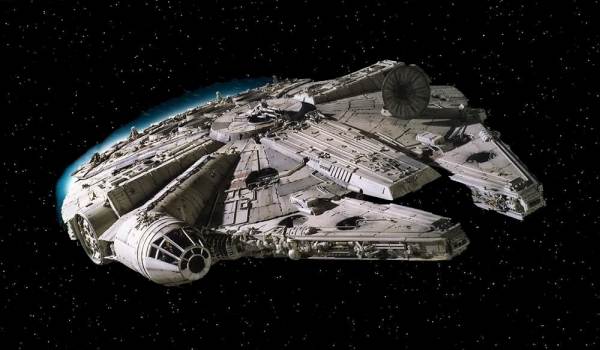
Claiming the #1 position for good reason is The Millennium Falcon from Star Wars. This ‘cool hunk of junk’ is famously asymmetrical, battered, and impossibly fast. Such a design broke every rule of sleek sci‑fi aesthetics, proving that character matters more than symmetry. Culturally, it became one of the most beloved ships in fiction, symbolizing rebellion, friendship, and improbable heroism. The Falcon is a legend in every sense. It can fly the Kessel Run in less than twelve parsecs. Yes, nerds, a parsec is a measure of distance, not time. Lucas doesn’t care.
Star Wars: Episode IV – A New Hope is available on Amazon
2. USS Enterprise (NCC-1701) in Star Trek: The Original Series (1966)
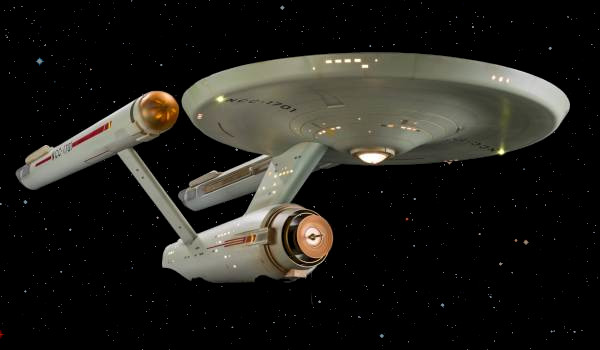
If you only pay attention to a few, make it this one. The original Enterprise from Star Trek: The Original Series is a masterpiece of optimistic futurism. Its saucer, nacelles, and clean lines created a new visual language for starships — one rooted in exploration, not warfare. Beyond its on-screen role, the ship became a symbol of hope and human potential, shaping how generations imagined the future.
Star Trek: The Original Series is available on Amazon
3. X-Wing Fighter in Star Wars
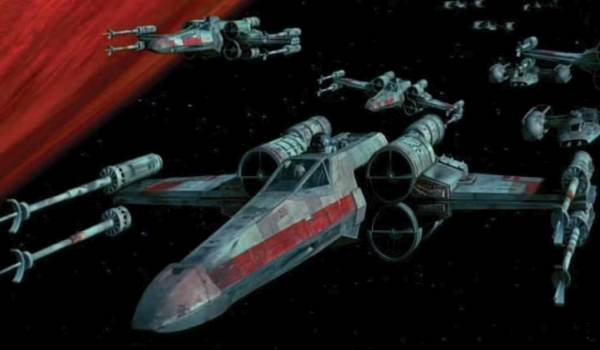
Next up on the list is the X‑Wing. This fighter is the perfect balance of form and function — a starfighter that looks fast, lethal, and heroic. Its S‑foils, exposed engines, and rugged profile made it feel like a real military craft. Culturally, it became the definitive symbol of the Rebel Alliance and inspired countless spacecraft designs in games and animation.
Star Wars: Episode IV – A New Hope is available on Amazon
4. USS Enterprise-D (NCC-1701-D) in Star Trek
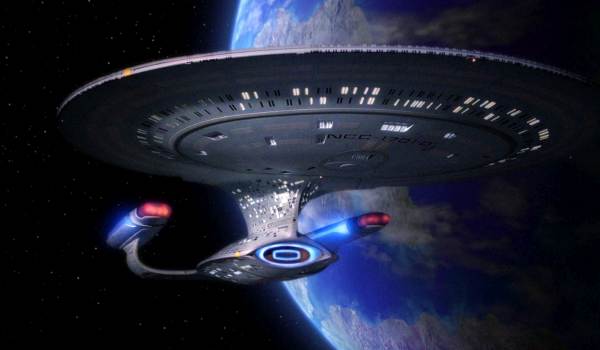
The Enterprise‑D is graceful, spacious, and utopian — a starship designed for diplomacy, families, and exploration. The ship’s curves and soft lighting reflected the hopeful ethos of the era. Consequently, it became the definitive starship for many fans, influencing futuristic interior design and the visual identity of 1990s sci‑fi.
Star Trek: The Next Generation is available on Amazon
5. TIE Fighter in Star Wars
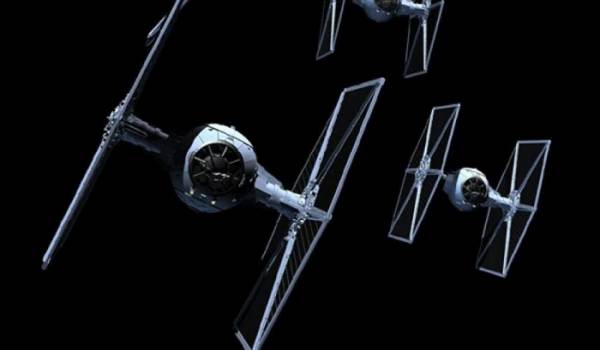
Let’s move on to our number five starship. The TIE Fighter’s shrieking engines and hexagonal wings created an instantly recognizable villain silhouette. This fragile, angular, and mass-produced aesthetic visually communicates the Empire’s philosophy. Over time, the craft has become one of the genre’s most iconic enemy ships, influencing everything from sound design to spacecraft aesthetics.
Star Wars: Episode IV – A New Hope is available on Amazon
6. Borg Cube in Star Trek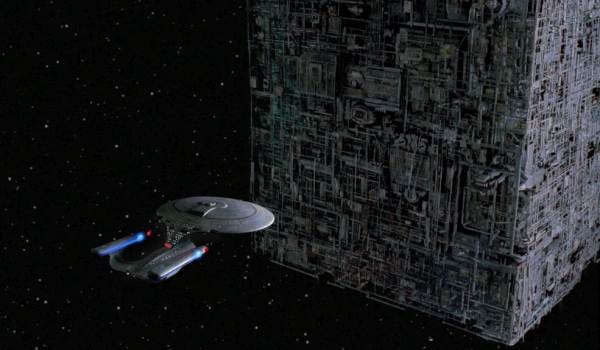
Borg Cube in Star Trek: The Next Generation
The Borg Cube is the antithesis of starship design — a featureless, geometric monolith that rejects aesthetics entirely. Its cold, modular structure symbolizes the Borg’s philosophy of assimilation and efficiency. Culturally, it became one of sci‑fi’s most terrifying icons, proving that simplicity can be more unsettling than complexity.
Star Trek: The Next Generation is available on Amazon
7. Serenity in Firefly
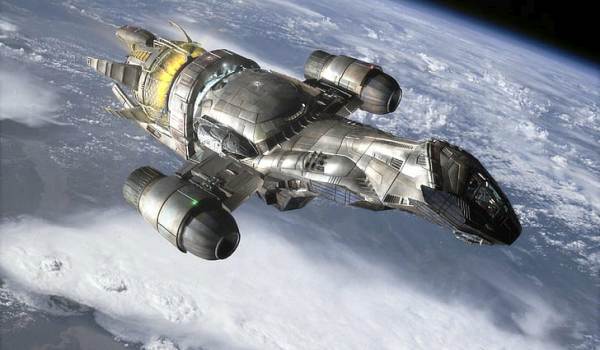
Upgrading the stakes at #7 is Serenity from the short-lived series Firefly. It’s a home first, a ship second. Its Firefly‑class design — insect‑like, worn, and full of personality — reflects the scrappy, found‑family spirit of the crew. Culturally, it became a symbol of independence and cult‑fandom devotion. Serenity endures because it feels alive. “I am a leaf on the wind, watch how I soar.”
Firefly is available on Amazon
8. Discovery One in 2001: A Space Odyssey (1968)
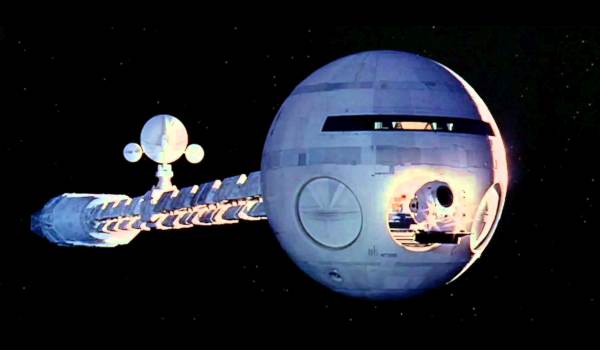
Continuing the thread at #8 is the ship from the classic science fiction film 2001. Discovery One is one of science fiction’s most hauntingly realistic spacecraft — a long, skeletal interplanetary vessel built for deep‑space travel rather than cinematic flash. Its elongated spine, spherical command module, and nuclear‑powered propulsion system reflect the film’s commitment to scientific plausibility, while the rotating centrifuge interior became an instant design landmark. Culturally, Discovery One helped redefine the look of hard‑science sci‑fi, influencing decades of spacecraft design with its cold, utilitarian geometry and eerie sense of isolation. It remains a symbol of humanity’s ambition, vulnerability, and the unsettling quiet of deep space. And it is not phallic at all.
2001: A Space Odyssey is available on Amazon
9. The Nostromo in Alien (1979)
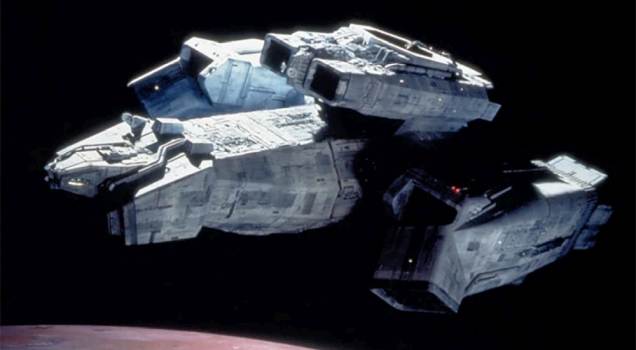
Next is the space truck from Alien. The USCSS Nostromo is the definitive “blue‑collar” starship — a grimy, industrial towing vessel whose heavy machinery and claustrophobic corridors helped redefine sci‑fi realism. Built as a Lockmart CM‑88B Bison M‑Class freighter and retrofitted for long‑haul ore transport, it embodied the corporate, utilitarian future of Alien’s universe. Characterized by worn surfaces and analog consoles, the ship became a cultural landmark. It endures today because it feels like a genuine working vessel. The Nostromo endures because it feels real — a working ship for working people, haunted by something far worse than killer aliens. Bad coffee.
Alien is available on Amazon
10. Slave I in Star Wars
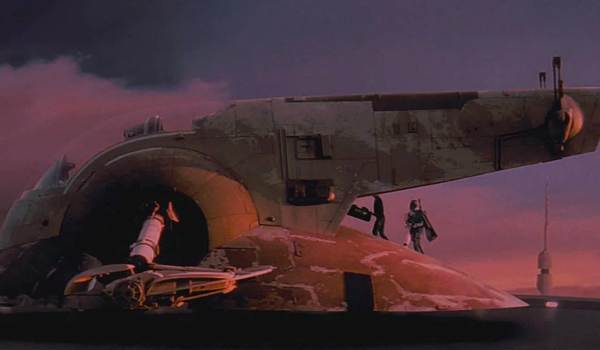
Our number ten spaceship is a classic. Slave I is an asymmetrical weaponized ship that rotates vertically, hides its engines, and looks like nothing else in the galaxy. This unique look perfectly reflects Boba Fett’s mysterious persona, eventually fueling a massive fan obsession. The ship is still inspiring toys, models, and endless speculation about its internal layout. Disney realized that marketing toys of the ship to children carried some risks because of the sensitive nature of the topic. The name “Slave I” has been silently replaced with the more PC name “Boba Fett’s starship.” If you put it next to your Song of the South toys, it makes a fun “before-and-after” display.
Star Wars: Episode V – The Empire Strikes Back is available on Amazon
11. Klingon Bird-of-Prey in Star Trek
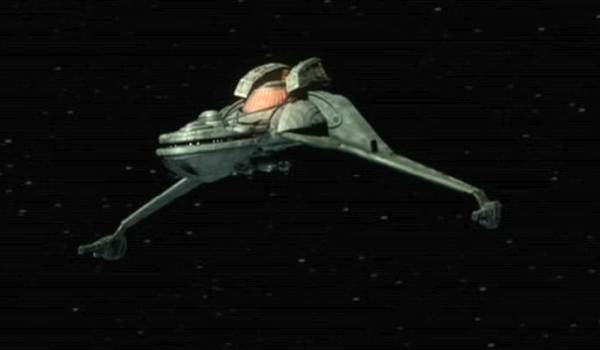
Keeping the momentum at #11 is a Klingon classic. The Bird‑of‑Prey blends avian aggression with alien engineering. Its forward‑swept wings, green hull, and cloaking device made it a fan‑favorite symbol of Klingon culture — proud, fierce, and unpredictable. Culturally, it influenced the portrayal of warrior civilizations across sci‑fi media.
Star Trek: The Original Series is available on Amazon
12. Cylon Raider in Battlestar Galactica
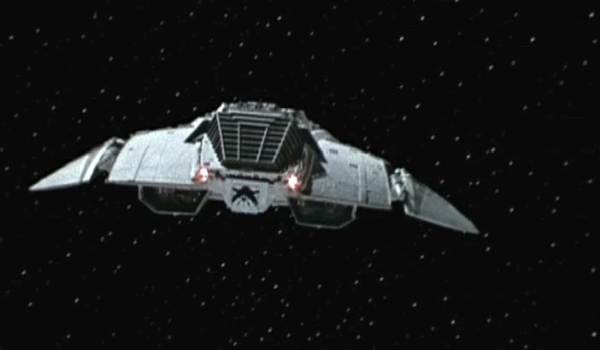
Next is an essential foundational ship from the 1970s. The Cylon Raider is sleek, predatory, and biomechanical — a fusion of machine and organism. Its design evolved across versions, but its menace remained constant. Culturally, it helped define the gritty realism of the BSG reboot and influenced depictions of AI‑controlled fighters in modern sci‑fi. The original show had Cylon robots sitting in the ships piloting them. Kind of like having a Roomba driving a Tesla. The rebooted series realized how silly this is and made the ships pilot themselves.
Battlestar Galactica is available on Amazon
13. Gunstar in The Last Starfighter (1984)
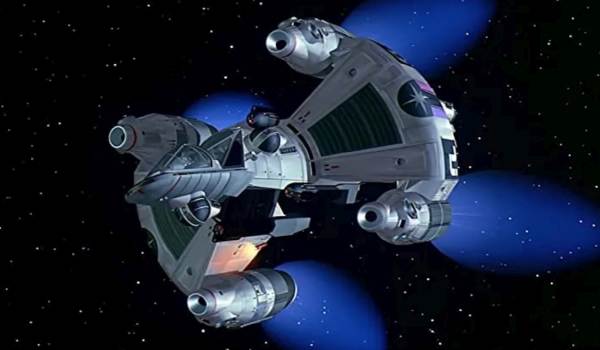
Next on our list is the first integrated CGI-rendered spacecraft. The Gunstar in The Last Starfighter is pure 1980s sci‑fi charm — angular, weapon‑packed, and built for arcade‑style heroics. Its “Death Blossom” maneuver became legendary. Culturally, the Gunstar helped bridge early CGI with cinematic storytelling, influencing the look of starfighter games for decades. Don’t laugh, but I used to dream about being taken into space when I was a kid. Anyway.
The Last Starfighter is available on Amazon
14. Eagle Transporter in Space: 1999 (1975)
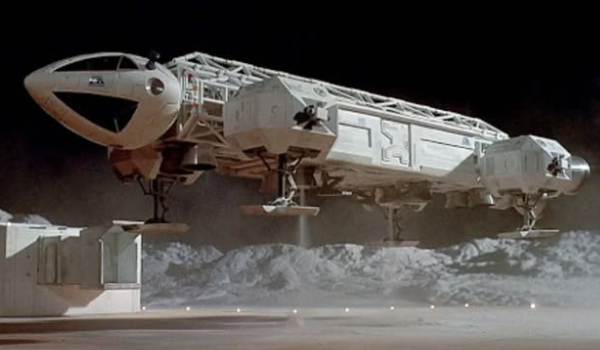
The last, but not least, starship is from a 70s cult classic show, Space: 1999. The Eagle Transporter is modular, industrial, and grounded in real aerospace engineering. Its lattice framework and detachable pods made it feel like a NASA vehicle evolved into the future. Culturally, it influenced realistic spacecraft design and remains beloved by model builders.
Space: 1999 is available on Amazon
Hover Vehicles & Speeders
Hover vehicles and speeders represent the dream of frictionless, high-speed travel. Free from the constraints of roads, these vehicles glide effortlessly through futuristic landscapes. The Landspeeder and the sleek Spinner show two very different visions of this technology—one adventurous and one dystopian. Serving as a staple of speculative fiction, such transports often signal the presence of a highly advanced society.
1. Landspeeder in Star Wars: Episode IV – A New Hope (1977)
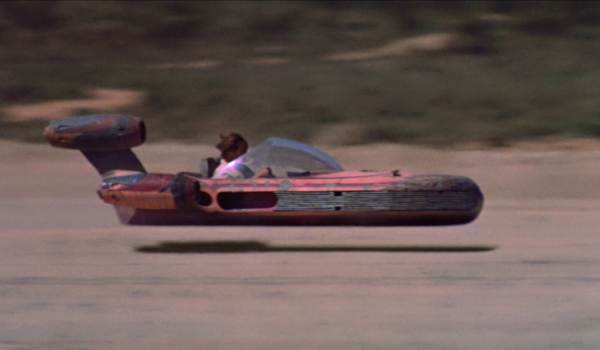
First on our list is the X-34 Landspeeder. Luke’s Landspeeder is the perfect example of “used future” design: a dusty, beat‑up hovercraft that looks like it’s been repaired a hundred times. Its cultural impact comes from its relatability — a sci‑fi vehicle that feels like a teenager’s first car. The Landspeeder helped ground Star Wars in a lived‑in universe and influenced countless depictions of hover vehicles in games and animation. The landspeerer is sleek, cool, and has no luggage space. It’s kind of like a futuristic version of a Mazda Miata.
Star Wars: Episode IV – A New Hope is available on Amazon
2. Spinner in Blade Runner (1982)
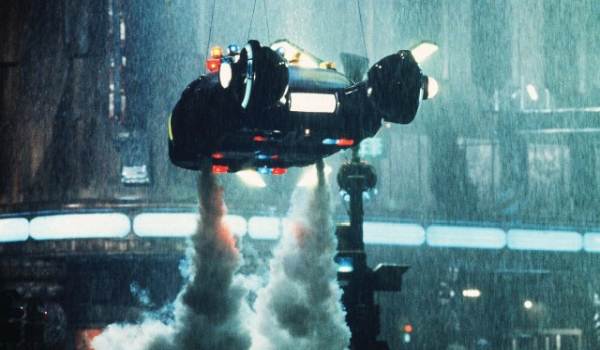
The Spinner is cyberpunk distilled into a vehicle: angular, neon‑lit, and hovering between worlds. Its dual functionality — car and aircraft — symbolized Blade Runner’s vertical cityscape and class divide. Culturally, the Spinner became the blueprint for dystopian futurism, influencing everything from anime to AAA game design. Its blend of realism and noir style remains unmatched. Designed by Syd Mead, the Spinners look futuristic enough to dazzle but worn down enough to look believable. It perfectly fits the dark and depressing tone of the film. Besides just being a way of getting around, it helped establish the future world and set the tone. The new one in 2049 sucks, and that’s official.
Blade Runner is available on Amazon
2. Sentinels in The Matrix (1999)
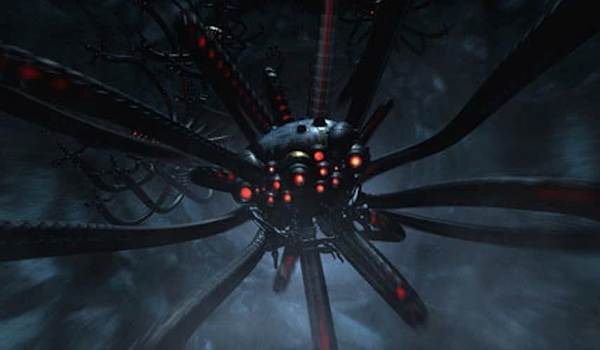
The one entry we’re all collectively obsessed with is the robot octopus from the 90s. Though not vehicles in the traditional sense, Sentinels function as biomechanical drones of relentless pursuit. Their squid‑like design — all tentacles, sensors, and cold efficiency — became a defining image of machine dominance. Culturally, they influenced depictions of swarm robotics, AI threats, and mechanical horror across media. Their design is both elegant and terrifying.
The Matrix is available on Amazon
5. Korben Dallas’ Taxi in The Fifth Element (1997)
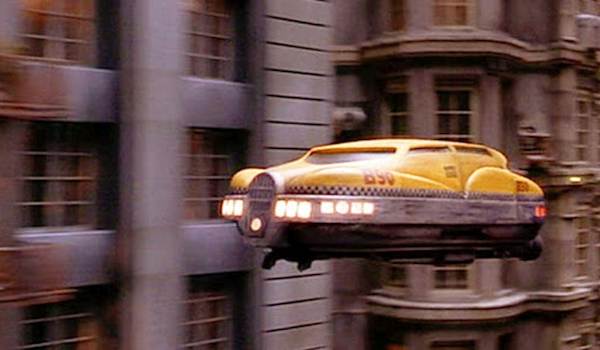
Moving right along to number five. The flying taxis of The Fifth Element — especially Korben Dallas’s battered yellow cab — are a cornerstone of cyberpunk vehicle design and one of the most recognizable futuristic transportation icons in film. Their chunky silhouettes, retro‑industrial panels, and chaotic vertical‑city flight paths helped define the movie’s dense, neon‑drenched aesthetic. Culturally, these taxis became shorthand for the lived‑in future: noisy, overworked machines navigating impossible traffic in a world where technology and everyday life collide. They influenced everything from video‑game cityscapes to modern sci‑fi concept art, proving that even the most ordinary vehicle can become unforgettable when dropped into an extraordinary world. It probably smells horrible, but that’s every taxi in New York.
The Fifth Element is available on Amazon
4. Nebuchadnezzar in The Matrix (1999)
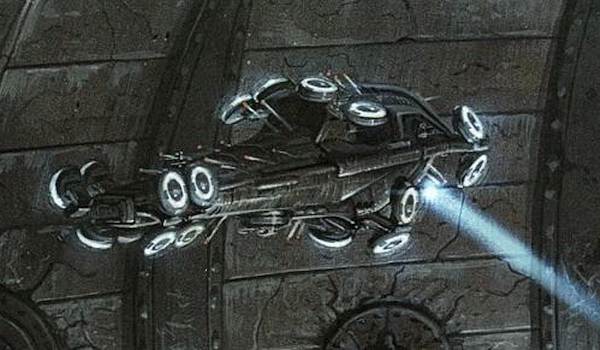
Almost impossible to rank any lower than this is Morpheus’s hovercraft. The Nebuchadnezzar is a gritty, industrial hovercraft that embodies the Matrix’s cyberpunk rebellion. Its exposed cables, insect‑like shape, and claustrophobic interior reflect a world built from salvage and desperation. Culturally, it became the definitive “hacker ship,” influencing sci‑fi aesthetics centered on resistance, analog tech, and dystopian survival. The Neb’s design is messy, human, and unforgettable. I’d take the blue pill any day to ride this. If you love the movie, check out our list of mind-blowing facts about Morpheus.
The Matrix is available on Amazon
6. Recognizer in Tron (1982)
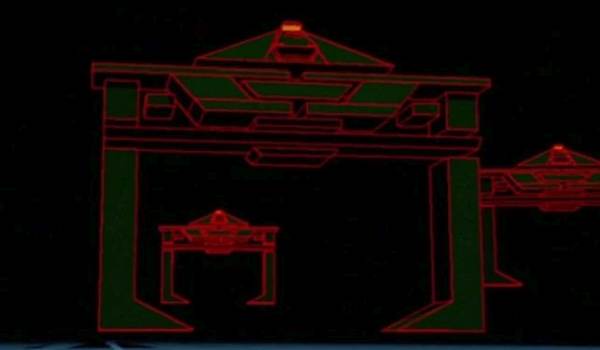
The Recognizer is a monolithic icon of digital oppression — a walking gatekeeper rendered in stark, geometric simplicity. Its towering, block‑like form became a symbol of TRON’s unique visual language. Culturally, it influenced minimalist sci‑fi design and demonstrated how imposing shapes can convey power without mechanical detail. The Recognizer is proof that sometimes the simplest silhouette is the most unforgettable.
Tron is available on Amazon
7. Solar Sailer in Tron (1982)
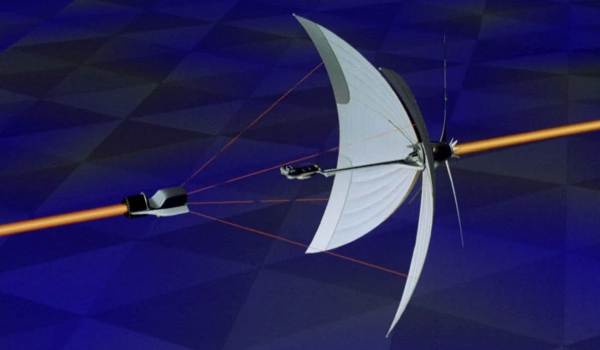
The Solar Sailer is digital elegance — a glowing, sail‑driven vessel that turns data streams into oceans. Its design blends nautical tradition with neon futurism, creating a serene contrast to TRON’s harsher geometries. Culturally, it stands out as one of sci‑fi’s most poetic vehicles, inspiring artists and designers who explore the intersection of technology and beauty.
Tron is available on Amazon
Futuristic Cars & Ground Vehicles
Sci-fi ground vehicles bring futuristic technology down to Earth, blending imagination with real-world driving experiences. These vehicles often reflect the tone of their worlds—whether it’s dystopian grit or high-tech luxury. The Batmobile has evolved across decades into the ultimate crime-fighting machine, while KITT introduced audiences to AI-powered driving long before it became reality. These vehicles ground sci-fi in something familiar while still pushing the limits of innovation.
1. Batman’s Batmobile
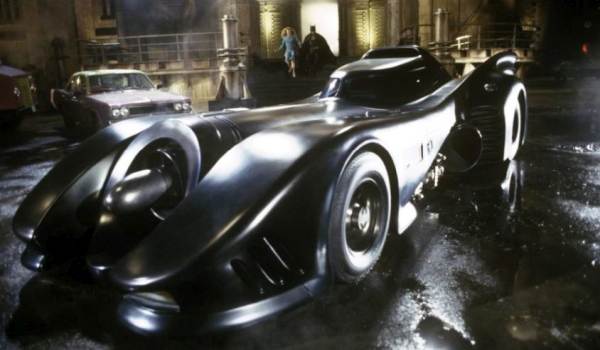
First on our list is a masterpiece of superhero cars. The Batmobile is the most famous superhero vehicle of all time. Every interpretation of Batman has a version of it. From Adam West’s mod-convericle hardtop to Nolan’s high-tech tank, it’s remained an integral part of the mythos. Every Batmobile is designed to show the changing interpretation of Batman. The 60s version enhanced the campy and playful style. The 1980s version exemplified the stylish and brutal hero of the time. The Dark Knight version, nicknamed the Tumblr, gave Batman a militaristic and utilitarian approach. Pattinson’s version is less stylish than the other versions and looks more like a traditional car. Every version is designed to intimidate his enemies. Batman doesn’t fly or swing on webs. So the Batmobile is the only way for him to get around and fight crime. Plus, chicks dig the car.
Batman is available on Amazon
2. KITT in Knight Rider (1982)
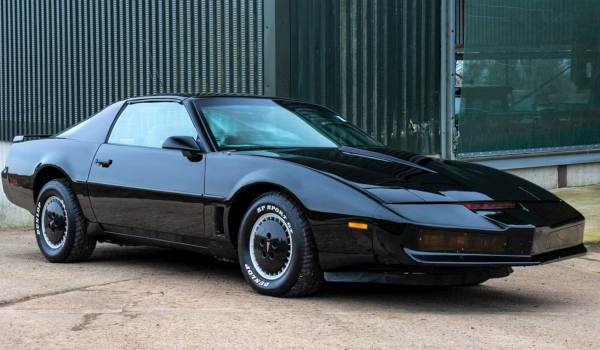
One of the iconic vehicles of the 1980s, KITT (Knight Industries Two Thousand), is a sophisticated robotic car from the television series Knight Rider. Built from a modified 1982 Pontiac Firebird Trans Am, KITT features an advanced artificial intelligence system and was notable for its flashing front lights and radar sounds, adapted from Battlestar Galactica’s Cylons. A later version, the Knight Industries Three Thousand, appeared as a Ford Shelby GT500KR in the 2008–2009 revival of Knight Rider. Both are striking in their own way, but the Trans Am is clearly superior to the Shelby. If you disagree, I can’t trust your opinion on anything.
Knight Rider is available on Amazon
3. V8 Interceptor in The Road Warrior (1981)
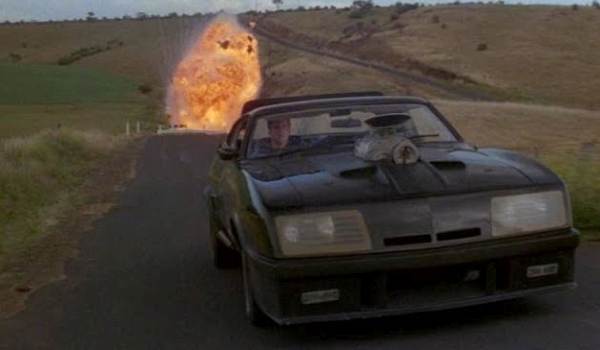
Shifting gears to the future is our number three pick of futuristic cars. The V8 Interceptor is introduced in The Road Warrior. Mechanic Barry and Goose offer it as a bribe to keep Max Rockatansky on the force. Following the murder of his family by the Toecutter’s gang, Max steals the Interceptor to hunt down gang members, including Toecutter and Johnny the Boy, and ultimately drives into the Wasteland. Max’s first car is based on a 1973 Ford Falcon XB GT coupe that the Main Force Patrol converted to serve as a police interceptor. Later, Max drives a modified V8 Interceptor, AKA The Pursuit Special. It’s a bold, aggressive, and stylish car that exemplifies the driving spirit of Max and the films.
The Road Warrior is available on Amazon
4. M577 Armored Personnel Carrier in Aliens (1986)
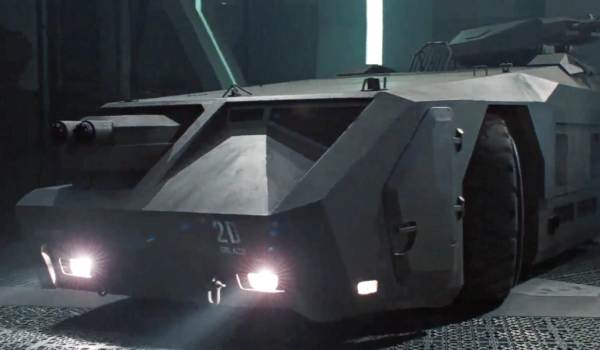
Approaching the final act of our list is number four. The United States Colonial Marine Corps uses the M577 Armored Personnel Carrier (APC), a kind of light armored tactical reaction vehicle. It is a lightweight troop transport that can be dropped into combat by dropship and is built to function as a multi-role vehicle. The M577 is outfitted with enough weapons to support infantry on the ground in addition to its primary transport function. The M577 APC is military sci‑fi at its most grounded: low‑slung, brutalist, and functional. Its tank‑meets‑sports‑car silhouette made it feel like a real machine built for real soldiers. Culturally, it set the standard for future armored vehicles in games and movies, influencing everything from Halo’s Warthog to modern tactical vehicle design. The M577’s impact comes from its believability — a future war machine that feels engineered, not imagined.
Aliens is available on Amazon
5. Lexus 2054 in Minority Report (2002)
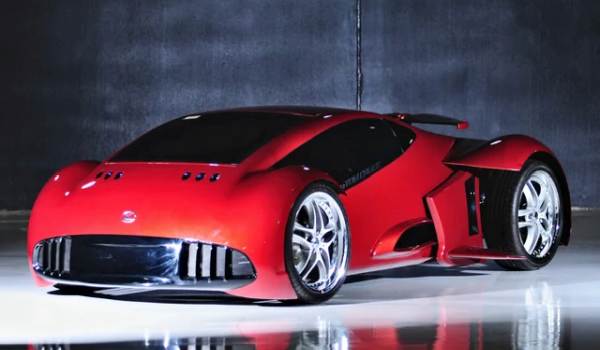
Continuing the thread at #5 is a custom concept car. The Lexus 2054 is sleek, aerodynamic futurism grounded in real automotive design. Created with input from Lexus engineers, it predicted trends in autonomous driving, gesture controls, and electric propulsion long before they became mainstream. Its cultural impact lies in how it bridged Hollywood spectacle with plausible innovation, influencing concept cars and the visual language of “near‑future” tech across media. In 2002, Lexus was approached by Steven Spielberg to create a vehicle for his film adaptation of “The Minority Report,” set in 2054. Designer Harald Belker, in collaboration with Calty, designed an advanced vehicle featuring fuel cell technology, a crash-proof structure, and biometric security systems. They’re not as tasty as Malaysia’s Lexus Biscuits, but they are easier to drive.
Minority Report is available on Amazon
6. Landmaster in Damnation Alley (1977)
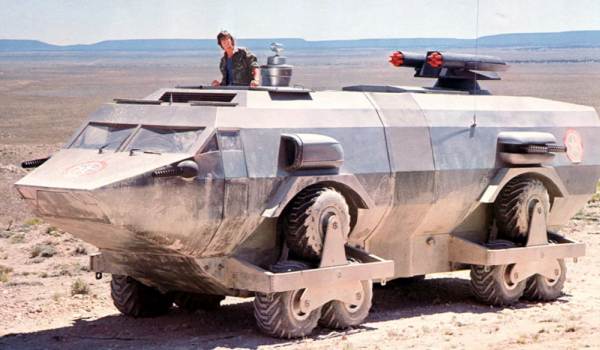
Finally, we have a vehicle that can probably crush all the others under its six wheels. The Landmaster from Damnation Alley is a unique 12-wheeled amphibious articulated vehicle constructed by Dean Jeffries at Jeffries Automotive in Universal City, California, for the 1977 science fiction film Damnation Alley (itself based on a novel by Roger Zelazny). Despite the appearance of two Landmasters in the film (achieved with process photography and models), only one was built, at $350,000 in 1976. The Landmaster is a cult‑classic oddity: a post‑apocalyptic tank‑truck with tri‑star wheels and a design that screams 1970s futurism. Its rugged, modular look made it a symbol of survivalist sci‑fi, and its real‑world functionality gave it a mythic status among vehicle enthusiasts. Though the film faded, the Landmaster became a legend — a reminder of an era when practical effects and wild engineering defined cinematic imagination. It stars a young Jackie Earle Haley. He’s not trapped in the nuclear wasteland. The nuclear wasteland is trapped with him.
Damnation Alley is available on Amazon
Bikes & Light Cycles
Built for speed and agility, sci-fi bikes and light vehicles focus on precision and adrenaline. They often play key roles in chase sequences and action-heavy moments. The glowing Light Cycle revolutionized visual effects and remains one of the most recognizable vehicles in sci-fi history, while machines like the Lawmaster bring a gritty, law-enforcement edge to the category. These vehicles prove that smaller designs can still deliver massive impact.
1. Light Cycle in Tron
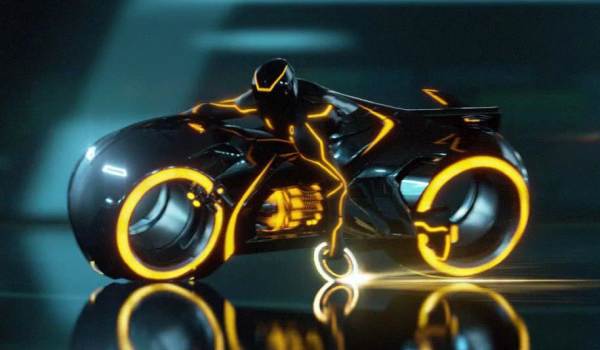
Number one on our list of hi-tech bikes is the Light Cycle. It’s a hallmark design in sci-fi, epitomizing a futuristic vehicle through its neon aesthetics and iconic geometry. Its influence stretches across video game design and modern motorcycle concepts, demonstrating that minimalism can be as impactful as mechanical realism. Originating from the 1980s movie, the Light Cycle races have become a central cultural motif, inspiring countless adaptations in games and media. Designed by Syd Mead, it blends sleek curves with accessible functionality, making it relatable yet innovative. The Light Cycles are vital to the franchise, serving both as competitive elements and as a means for characters to navigate the digital grid. No one can forget the epic beauty and simplicity that led to the TRON guy.
Tron is available on Amazon.
2. Aratech 74-Z Speeder Bike in Star Wars: Episode VI – Return of the Jedi (1983)
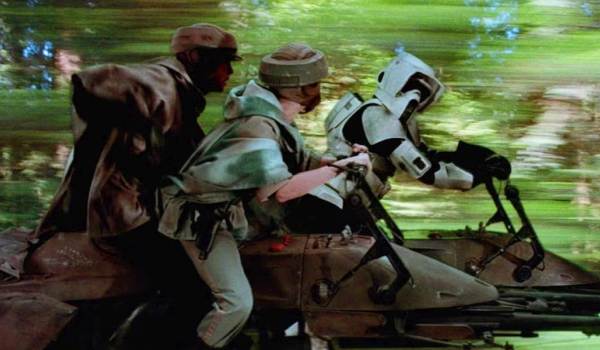
Commandingly taking the number two spot is the Speeder Bike. The bikes from Return of the Jedi captured the fantasy of unrestrained velocity. Its design — long, skeletal, and dangerously exposed — emphasized speed over safety, making it feel thrillingly reckless. The Endor chase cemented it as a cultural touchstone, inspiring countless imitators in games, comics, and sci‑fi art. The Aratech 74‑Z endures because it embodies the dream of flying through a forest at breakneck speed, trusting skill and reflexes over armor or technology. The design of the speeder bikes by Nilo Rodis-Jamero and Ralph McQuarrie is brilliant. Exposed moving parts imply propulsion, but it has a unique shape that makes it look dynamic. The speeder bike scout trooper learned the importance of helmet laws the hard way.
Return of the Jedi is available on Amazon
3. Captain America’s Motorcycle
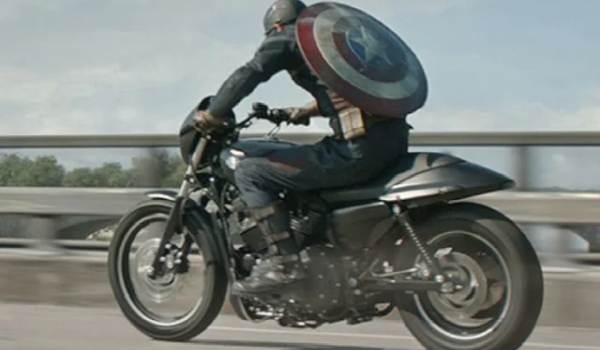
An essential part of this list of sci-fi bikes is the Star-Spangled Avenger’s ride. Captain America’s association with motorcycles, particularly Harley-Davidsons, emphasizes themes of Americana and rebellion in both comics and the Marvel Cinematic Universe (MCU). His motorcycle symbolizes freedom, moral clarity, and independence. Its distinct, patriotic design reflects the superhero-on-a-motorcycle aesthetic that has influenced various media. The bike serves not just as transportation, given Captain America’s inability to fly, but also as a practical means to carry his shield, highlighting its utilitarian and stylish nature. Every motorcycle is a symbol of American freedom and independence. The only thing between Captain America’s legs is an American-grade bike and not a Japanese crotch rocket. Cap likes his motorcycles like he likes his coffee: Americano
It’s available on Amazon
4. Lawmaster in Dredd (2012)
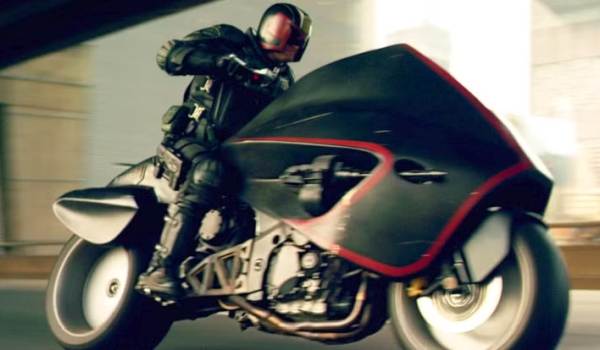
Building on that momentum is the a cop’s ride. Judge Dredd comes from the long‑running British comic series 2000 AD, set in a near‑future where crime in massive Megacities has overwhelmed traditional justice. To maintain order, the system relies on Judges — officers who serve as police, judge, and jury, empowered to deliver sentences on the spot. Their signature ride is the Lawmaster, a heavily armed, AI‑assisted motorcycle that functions as a mobile crime lab and command center. Equipped with onboard weapons, crowd‑control systems, and direct links to the Grand Hall of Justice, the Lawmaster can even operate autonomously when needed. Since Judges rarely return to base, the bike is essential to their work. Every live‑action adaptation from Stallone’s to Urban’s has featured the Lawmaster in some form, cementing its status as one of the franchise’s most iconic vehicles.
Dredd is available on Amazon
5. Street Hawk in Street Hawk (1985)
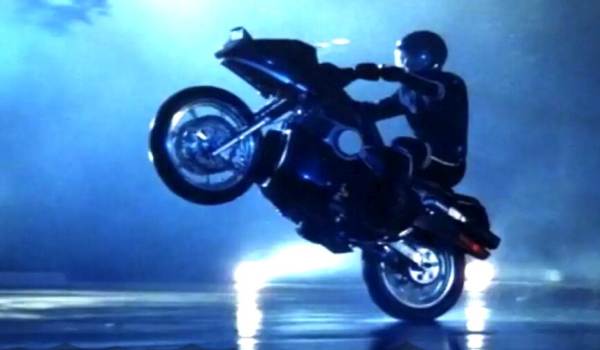
Let’s take it a step further with sci-fi bikes. The bike in Street Hawk is a cult‑favorite among sci-fi vehicles—a high‑tech, all‑terrain attack motorcycle built for extreme speed and stealth. Capable of hitting 300 mph, firing onboard weapons, and launching into turbo‑thrust mode, it turned a sleek black bike into a futuristic crime‑fighting machine. Its angular design and neon‑streak visuals captured the 1980s obsession with cutting‑edge tech and vigilante heroes, cementing Street Hawk as one of TV’s most stylish and underrated sci-fi machines.I get wheelie tired of all these futuristic motorcycle puns, but this list sparks one more entry.
Street Hawk is available on Amazon
6. Turbines in Galactica 1980 (1980)
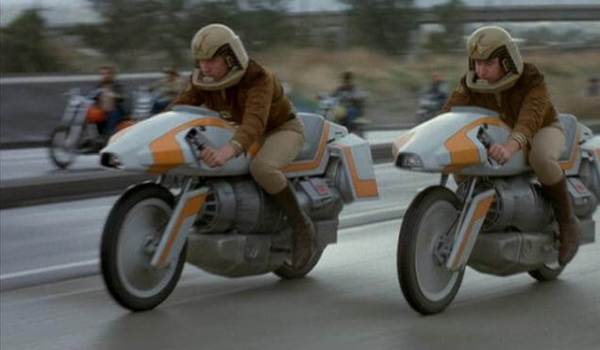
Finally, we have a little-known classic from the 70s. In Galactica 1980, Colonial Warriors use Turbines — ordinary‑looking motorcycles that are actually nuclear‑powered turbocycles built for undercover missions on Earth. Popular 1980s bike culture made them a natural disguise, but beneath the plastic fairings, they packed deployable wings, laser weapons, and even an invisibility field. Filmed in modern cities on a limited budget, the show relied on these high‑tech “motorcycles” to sell its futuristic setting. They may look like dressed‑up street bikes, but in‑universe, they were advanced reconnaissance machines built for stealth and speed. They look like cheap plastic toys to me, but what do I know?
Galactica 1980 is available on Amazon
Futuristic Planes & Air Vehicles
From cutting‑edge stealth craft to gravity‑defying sky machines, the world of futuristic planes and air vehicles showcases some of the most imaginative engineering in sci‑fi and pop culture. These advanced aircraft, sci‑fi airships, and next‑generation flying vehicles push the boundaries of speed, altitude, and innovation, redefining what flight can look like in the worlds that dream them. Whether patrolling cyberpunk skylines, soaring across alien worlds, or serving as high‑tech military powerhouses, these airborne icons capture our fascination with future aviation technology and the limitless possibilities of the skies.
1. S.H.I.E.L.D. Helicarrier in The Avengers (2012)
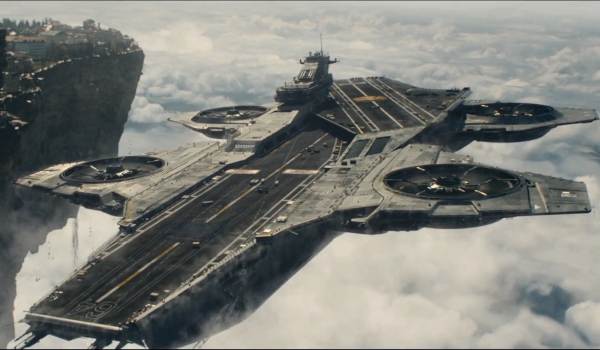
The first of our hi-tech air vehicles first appears in The Avengers. The S.H.I.E.L.D. (Strategic Homeland Intervention, Enforcement, and Logistics Division) Helicarriers are advanced flying command centers and aircraft carriers that first appeared in the Avengers comics. Designed with technology influenced by Howard Stark and enhanced by his son Tony, these massive vehicles have four turbine engines, allowing them to fly continuously while retaining seaborne capabilities. They resemble typical aircraft carriers but can rise into the air when needed. Helicarriers serve as strategic mobile bases for S.H.I.E.L.D., facilitating reconnaissance, stealth deployment, and direct strike operations, making them integral to the Avengers films.
The Avengers (2012) is available on Amazon
2. S.H.I.E.L.D. VTOL Quinjet in The Avengers (2012)
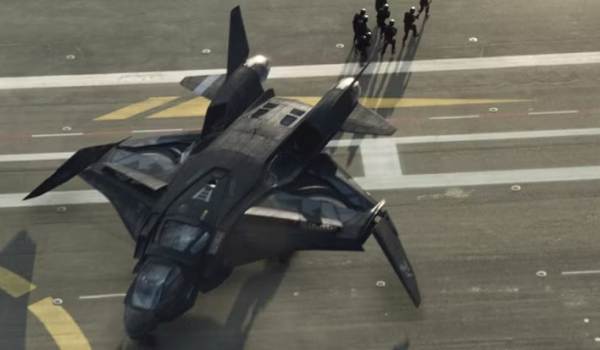
Next is another spy vehicle. The Quinjet blends military hardware with superhero spectacle, becoming the MCU’s signature tactical aircraft. Its VTOL wings, stealth‑fighter angles, and modular interior made it feel both functional and fantastical. Culturally, it became shorthand for SHIELD’s global reach and the Avengers’ mobility. The Quinjet’s design helped redefine what a superhero transport could look like — sleek, lethal, and instantly iconic. The name doesn’t mean it’s driven by Harley Quinn. The term “quintuplet” refers to the five jet thrusters on each aircraft, enabling high mobility and control. This reflects the careful consideration of both the original creators and the in-universe designers regarding aircraft operation.
3. Airwolf in Airwolf (1984)
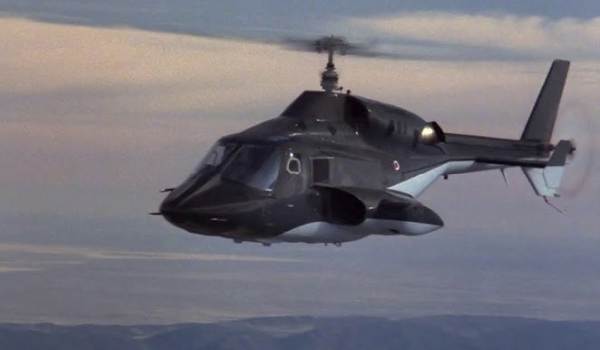
Number three on the list of futuristic aircraft is from Airwolf. It was an American action‑military drama built around the crew of a cutting‑edge, high‑tech helicopter sent on covert missions during the Cold War. Produced by Donald P. Bellisario, the series ran for four seasons from 1984 to 1987, becoming a ratings hit in its day and a cult classic afterward. The show’s blend of espionage, exotic operations, and sleek aerial action made the Airwolf helicopter itself the star — a futuristic attack craft that embodied the era’s obsession with secret technology and super‑weapon aviation. The only reason the show was cancelled is that the star, Jan-Michael Vincent, was drunk as a skunk and high as a kite most of the time.
It’s available on Amazon
4. Dune Ornithopters in Dune (1984)
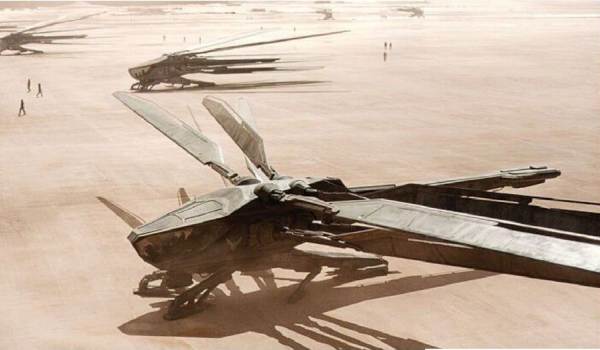
Setting the bar for everyone who follows is the aircraft from Dune. Frank Herbert’s sprawling science fiction epic Dune has some very creative elements. The most prevalent tiny transport vehicles in the Imperium were ornithopters, usually known as “thopters.”Herbert’s retrofuturistic world has a Middle Ages feel to it, with rival Great Houses and imperial fiefdoms serving as the foundation of a feudal society in place of galactic federations. One of Dune’s most recognizable technological elements possibly best captures that fusion of the ancient and the futuristic: The ornithopter. The Thopters are designed to be a combination of birds and insects. From the unmade Alejandro Jodorowsky film to the David Lynch and Denis Villeneuve versions, each took a different approach. But they all have the organic insect-like design.
Dune is available on Amazon
5. Blue Thunder in Blue Thunder (1983)
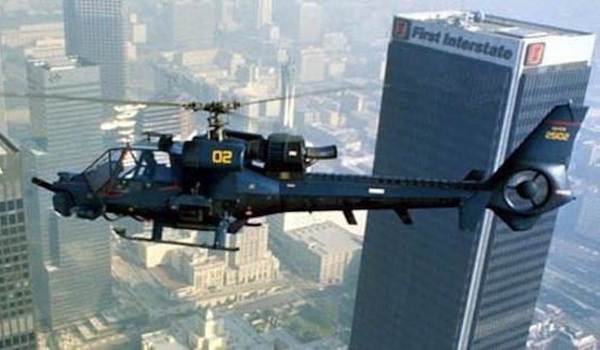
The final aircraft on our list is another helicopter. Based on the self-titled film, Blue Thunder is an American action drama television series that ran on ABC from January 6 to April 16, 1984, and featured the Blue Thunder chopper. The show centers on a four-person LAPD Air Support Division team operating a tactical helicopter that is loaned to the police force for use against criminal elements and security threats. APEX, a fictional federal government agency, oversees and monitors the helicopter’s operations and maintenance and occasionally assigns missions. The modified Aïspatiale Gazelle helicopter was designed by Mickey Michaels. The chopper has an aggressive and futuristic look. Blue Thunder was really fast. Blue Thunder made it to television really fast. Blue Thunder was cancelled really fast.
Blue Thunder is available on Amazon
Mechs & Walkers
Time travel vehicles expand sci-fi beyond space and into the fabric of time itself. These machines allow characters to explore the past and future, often driving entire narratives. The DeLorean Time Machine turned a sports car into a pop culture legend, while the TARDIS redefined what a time machine could be. These vehicles are more than transportation—they’re gateways to infinite possibilities.
1. AT-AT Walker in Star Wars: Episode V – The Empire Strikes Back (1980)
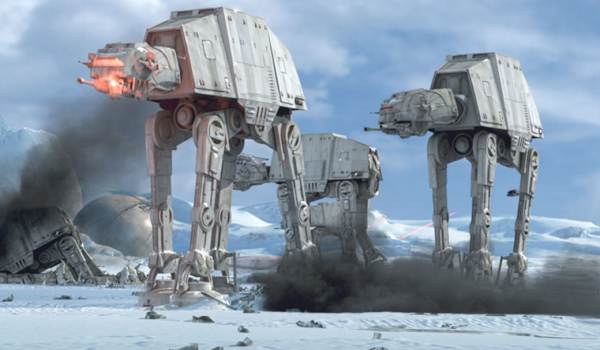
Claiming the throne with an effortless lead is from The Empire Strikes Back. The AT‑AT (All-Terrain Armored Transport) is military intimidation rendered in mechanical form. Its towering, quadrupedal silhouette evokes tanks, elephants, and industrial machinery. Culturally, it became one of Star Wars’ most enduring symbols of Imperial power. Its slow, unstoppable march influenced mech design for decades, proving that speed isn’t required for menace.
Star Wars: Episode V – The Empire Strikes Back is available on Amazon
2. Gipsy Danger in Pacific Rim (2013)
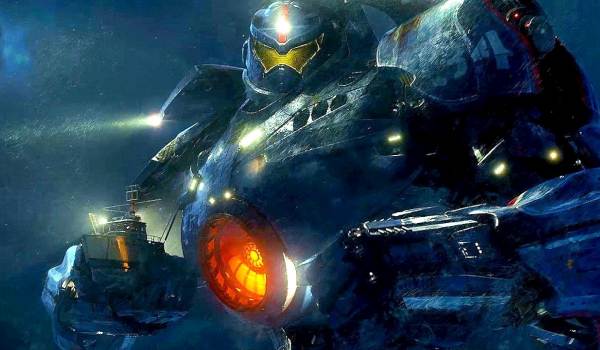
Next on our list of mechs is from Pacific Rim. Gipsy Danger is a love letter to classic mecha — towering, heroic, and built like a battleship with legs. Its analog controls, glowing reactor core, and industrial plating give it a tactile, mechanical presence. Culturally, it revitalized Western interest in giant robots, blending anime influences with Hollywood spectacle. Gipsy Danger is pure cinematic power.
Pacific Rim is available on Amazon
3. Caterpillar P-5000 Power Loader in Aliens (1986)
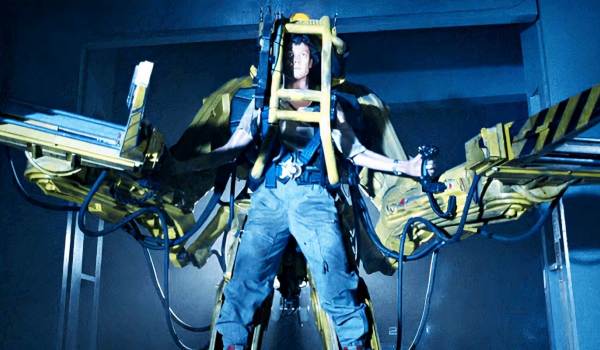
Third on our list is an unlikely mech. The Power Loader starts as a simple piece of industrial equipment — a bulky, utilitarian exosuit built to lift heavy cargo. But when Ripley climbs into it to fight the Alien Queen, it becomes one of sci‑fi’s most iconic mech moments. Designed to look like believable construction gear rather than a flashy robot, the Loader’s realism makes its sudden use as a weapon even more shocking. It’s the machine that lets Ripley save herself and Newt, and its silhouette remains one of the most memorable images in the Aliens franchise. Everyone loves to hear Ripley say, “Get away from her, you matriarch of the Aliens’ Hive!” Or something like that. I’m too lazy to Google it.
Aliens is available on Amazon
4. Hulkbuster in Avengers: Age of Ultron (2015)
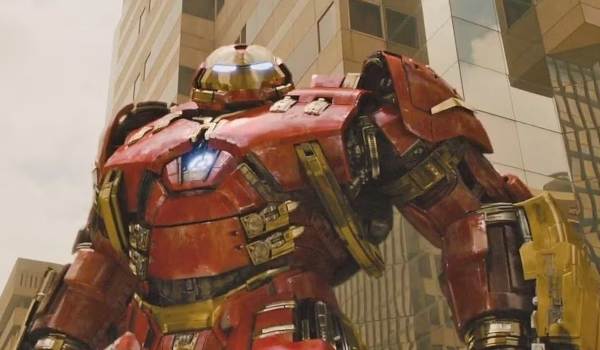
Next on our radar is from the MCU. Age of Ultron’s Hulkbuster armor is brute force engineered into a wearable tank. Its oversized plating, glowing power cores, and modular construction embody Tony Stark’s philosophy of over‑preparedness. Culturally, it became a fan‑favorite symbol of escalation — the moment when superhero tech goes from sleek to monstrous. Its design influenced mech suits in games and film, blending superhero flair with industrial heft.
Avengers: Age of Ultron is available on Amazon
5. Lion Force Voltron in Voltron (1985)
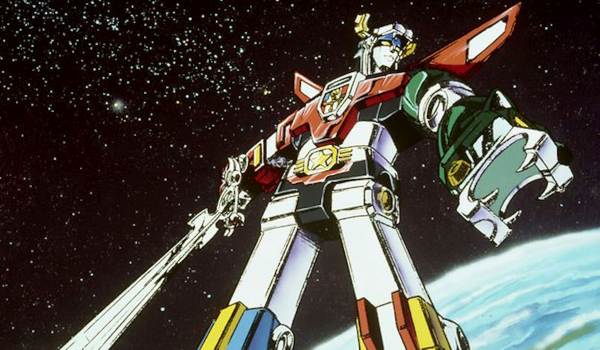
We have a serious heavyweight at number five. Voltron’s design is a celebration of unity and spectacle — five mechanical lions forming a towering super‑robot. Its bold colors, angular shapes, and heroic proportions helped define the mecha genre for Western audiences. Back in the 1980s, millions were introduced to the robot mech thanks to the animated series. Culturally, the “Defender of the Universe” bridged anime and American pop culture, becoming a gateway for generations of fans. Its silhouette remains instantly recognizable.
Voltron is available on Amazon
6. AMP Suit in Avatar (2009)
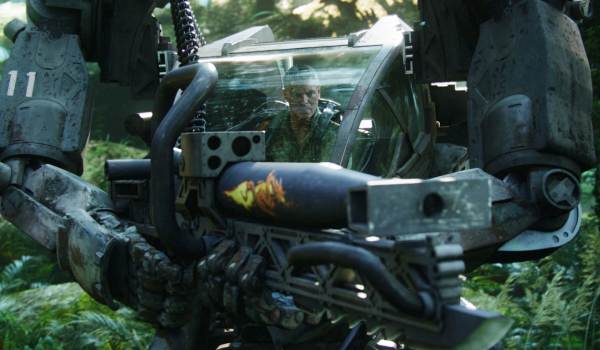
At number six is a memorable mech from an unmemorable movie. The Mitsubishi MK-6 Amplified Mobility Platform (AMP) Suit is Avatar’s towering symbol of human industrial might — a rugged, military exoskeleton built for both combat and heavy labor. Its design blends real‑world mech logic with James Cameron’s signature grounded futurism: hydraulic limbs, exposed mechanics, and a cockpit that turns the pilot into a walking tank. Culturally, the AMP Suit helped reignite mainstream interest in realistic mecha, influencing games, concept art, and blockbuster design. It’s brutal showdown with Neytiri and Jake’s banshee remains one of the film’s defining images, showcasing the clash between technology and nature. They show up in the first and second movies, but not the third. Maybe the suit will show up in Avatar 8 since Fire and Ash made $500 trillion in its first week.
Avatar is available on Amazon
7. AT-ST in Star Wars: Episode VI – Return of the Jedi (1983)
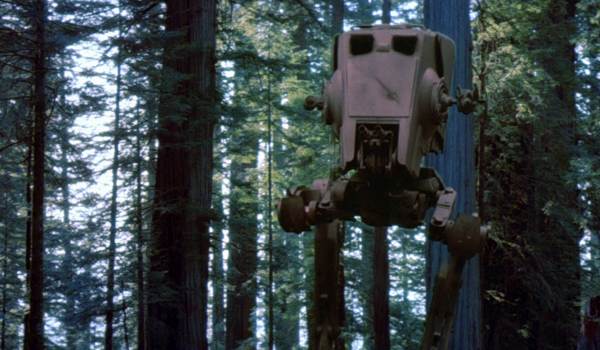
Keeping the momentum going with number 8. The AT‑ST (All Terrain Scout Transport) is the nimble counterpart to the AT‑AT — a bipedal walker with a predatory, bird‑like stance. Its design balances practicality with menace, making it a staple of Imperial ground forces. Culturally, it became a favorite among fans and model builders, influencing countless two‑legged mech designs in games and animation. It’s so powerful that the only thing that can take it out is a couple of logs.
Star Wars: Episode VI – Return of the Jedi is available on Amazon
8. T-60 Power Armor in Fallout (2024)
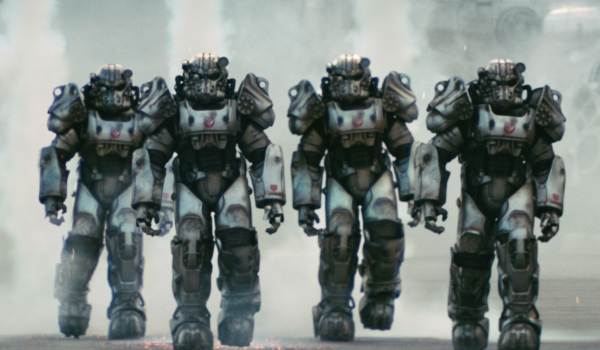
The T‑60 Power Armor is retro‑futurism forged into steel. Its bulky plating, vacuum‑tube aesthetics, and industrial joints reflect Fallout’s alternate‑1950s vision of the future. Culturally, it became the franchise’s most iconic symbol, representing survival, militarism, and the cost of progress. Its design influenced cosplay, concept art, and the broader aesthetic of dieselpunk. “WHERE IS YOUR POWER ARMOR?! Don’t have any? You expect me to believe that, maggot? The truth is, you lost an EXPENSIVE piece of army-issue equipment!”
Fallout is available on Amazon
Time Machines
Time machines are some of the most fascinating sci-fi vehicles ever imagined—devices that don’t just cross galaxies, but leap across centuries. From ornate Victorian contraptions to stainless‑steel sports cars and cosmic police boxes, sci-fi time machines embody our deepest curiosity about the past and our boldest hopes for the future. They let storytellers explore alternate histories, paradoxes, and the consequences of changing fate, all while giving audiences a thrilling sense of limitless possibility. More than machines, they’re narrative engines that challenge our understanding of cause, effect, and destiny itself.
1. DeLorean DMC-12 in Back to the Future (1985)
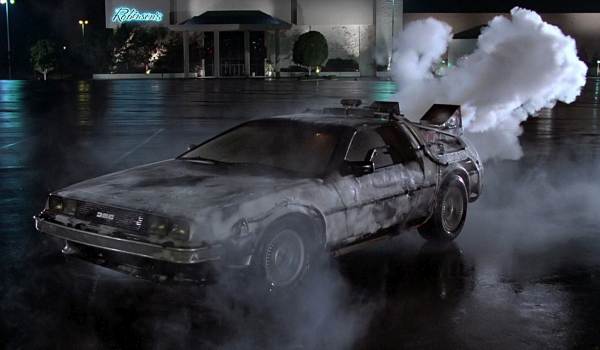
“If you’re gonna build a time machine into a car, why not do it with some style?” Back to the Future gave us the gold standard for time machines. The DeLorean became immortal the moment it hit 88 mph. Its stainless‑steel body, gull‑wing doors, and retro‑futuristic lines made it the perfect cinematic time machine. Despite its real‑world automotive failures, the DeLorean transcended its origins to become a symbol of nostalgia, innovation, and pure movie magic — a pop‑culture icon forever tied to the thrill of rewriting history and kissing your mom.
Back to the Future is available on Amazon
2. TARDIS in Doctor Who (1963)
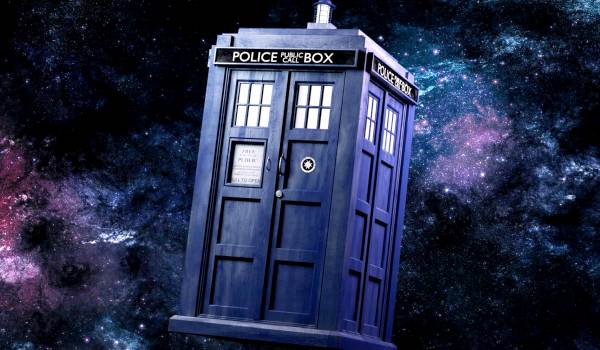
Our next time machine is almost too powerful to contain at number two. The police box in Doctor Who is one of the strangest time machines in sci‑fi — mostly because it wasn’t meant to be strange at all. In the 1960s, police boxes were everywhere in Britain, so the creators assumed the TARDIS would blend right in. Today, nothing stands out more than a bright blue box sitting in the middle of London. That contrast is exactly why the TARDIS became iconic: an ordinary exterior hiding infinite cosmic wonder. It’s a symbol of British sci‑fi, time travel, and the idea that extraordinary adventures can begin in the most mundane places. The TARDIS is timeless in every sense.
Doctor Who is available on Amazon
3. The Time Machine in The Time Machine (1960)
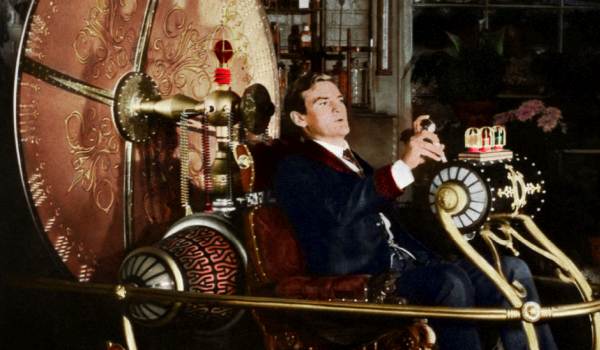
Up next is the Victorian steampunk time machine, which remains one of the most beautiful and iconic time‑travel devices ever imagined. While the novel has been remade several times, the 1960s version is the most iconic. Its single‑lever control makes it deceptively simple to operate, though the film proves how easy it is to overshoot your destination — and the removable control handle is a famously questionable design choice. Across adaptations, the machine’s look shifts from ornate brass craftsmanship to sleek futurism, but its cultural impact never changes. It embodies humanity’s dream of mastering time itself and sets the template for nearly every time‑travel story that followed.
The Time Machine is available on Amazon
4. Phone Booth in Bill & Ted’s Excellent Adventure (1989)
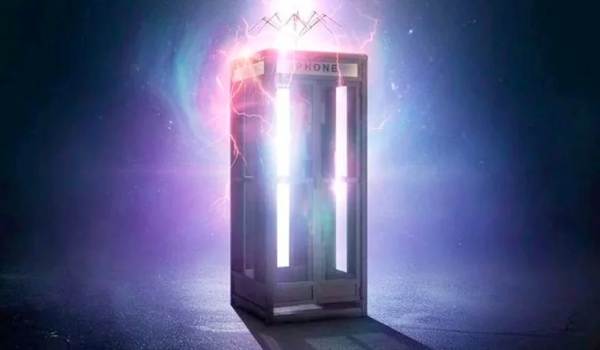
Moving right along to the most excellent version of all. The phone booth time machine in Bill & Ted’s Excellent Adventure is absurd, charming, and brilliantly subversive — turning a mundane public fixture into a cosmic elevator. Its cultural impact comes from its humor and accessibility, proving that sci‑fi doesn’t need sleek tech to be iconic. The booth became a symbol of joyful, chaotic adventure. And if traveling through time in a phone booth sounds familiar (Doctor Who fans certainly noticed), the creators insist they’d never seen the show — a coincidence that only adds to the legend. I heard that, in 2029, Keanu Reeves is personally installing 8,000,000 phone booths around the world to celebrate their 40th anniversary.
Bill & Ted’s Excellent Adventure is available on Amazon
5. Hot Tub in Hot Tub Time Machine (2010)

The last time machine on our list is also the wackiest. The Hot Tub Time Machine is a parody elevated to iconography. Its design — a retro spa with improbable temporal powers — mocks the seriousness of traditional time‑travel devices. Culturally, it became a comedic touchstone, reminding audiences that sci‑fi can be ridiculous, self‑aware, and still unforgettable. There have been a lot of designs for time machines, but this is the only one that was spa equipment. It’s crazy, unhinged, and ridiculous. Which makes it perfect for the movie. Unfortunately, the only way to use it is to get wet, either put on a bathing suit or get naked. Not since Schwazzeneger has there been a reason to get nude to travel through time
Hot Tub Time Machine is available on Amazon
Sci-Fi Vehicles by Franchise
Each sci-fi universe has a unique design philosophy, from gritty realism to sleek futurism. Here’s a list of vehicles from your favorite franchise. From spaceships to hovercrafts, here are the best vehicles in each franchise. Be sure to check out our overview of every vehicle from TRON.
Star Wars Vehicles
- Millennium Falcon
- X-Wing Fighter
- TIE Fighter
- AT-AT Walker
- B-Wing Fighter
Star Trek Vehicles
- USS Enterprise
- Klingon Bird-of-Prey
- Borg Cube
- Romulan Warbird
TRON Vehicles
- Light Cycle
- Recognizer
- Solar Sailer
- Light Jet
- Light Tank
Blade Runner Vehicles
- The LAPD Spinner
- Officer K’s Peugeot Spinner
- Deckard’s Sedan
- Wallace Corporation Spinners
Back to the Future Vehicles
- The DeLorean Time Machine
- The Jules Verne Train
- Marty McFly’s Toyota 4×4
- Biff Tannen’s Ford (1946 Super De Luxe)
Aliens & Military Sci-Fi Vehicles
- M577 Armored Personnel Carrier (Aliens)
- AAT (Armored Assault Tank) (Star Wars)
- AMP Suit (Avatar)
- SA-2 Samson (Avatar)
- Power Loader
The Matrix Vehicles
- The Nebuchadnezzar
- The Mjolnir (The Hammer)
- 1965 Lincoln Continental
- Sentinels (Squiddies)
- 2001 Cadillac Escalade EXT (The Twins)
Modern Sci-Fi (2020s–2026)
- Atreides & Harkonnen Ornithopters (Dune)
- The War Rig 1.0 (Furiosa: A Mad Max Saga)
- Dementus’ Chariot (Furiosa: A Mad Max Saga)
- The Hail Mary (Project Hail Mary)
- Fondor Haulcraft (Andor)
Most Iconic Sci-Fi Vehicles of All Time
Millennium Falcon
The Millennium Falcon is one of the most iconic sci-fi vehicles ever created—a scrappy, heavily modified freighter that became a symbol of rebellion, loyalty, and underdog ingenuity. Its asymmetrical design, blistering speed, and unforgettable silhouette turned it into a cultural legend. More than a ship, it represents the idea that even the most unlikely machine can change the fate of a galaxy.
USS Enterprise
The USS Enterprise stands as the gold standard of science fiction starships, embodying exploration, diplomacy, and optimism. Its saucer-and-nacelle design became instantly recognizable, influencing decades of futuristic spacecraft design. As a narrative symbol, the Enterprise represents humanity’s belief in discovery, cooperation, and a better future among the stars.
DeLorean Time Machine
The DeLorean Time Machine transformed a real-world car into one of the most iconic sci-fi vehicles in pop culture. With its gull-wing doors, stainless steel body, and flux capacitor, it redefined what a time machine could look like—sleek, stylish, and grounded in pseudo‑science. It remains a symbol of creativity, nostalgia, and the thrill of rewriting history.
Light Cycle
The Light Cycle from TRON is a neon-drenched vision of digital speed, blending minimalist geometry with futuristic energy trails. As one of the most visually striking sci-fi vehicles, it helped define the aesthetic of virtual worlds long before modern gaming and VR. Its design still influences cyberpunk art, motion graphics, and futuristic motorcycle concepts today.
Sci-Fi Vehicles That Predicted the Future
Some of the most iconic sci-fi vehicles didn’t just entertain audiences—they quietly forecasted real-world technology decades before it existed. These futuristic machines showcased ideas that once felt impossible but now shape modern transportation, military design, and everyday tech. From autonomous cars to drones, maglev trains, and even early versions of VR-controlled machines, many innovations we use today were first imagined in science fiction.
Science fiction has always been a testing ground for visionary engineering. Films, TV shows, and novels introduced sci-fi vehicles that pushed the boundaries of imagination: flying cars navigating vertical cities, motorcycles powered by clean energy, AI-assisted starships, and exosuits that enhance human strength. Over time, engineers and designers turned these fictional concepts into prototypes, patents, and commercial products.
These predictive sci-fi vehicles matter because they reveal how storytelling influences innovation. They inspire scientists, shape public expectations, and challenge industries to rethink what transportation can be. When a sci-fi vehicle becomes real, it’s not just a technological achievement—it’s proof that imagination can drive the future.
How Sci-Fi Vehicles Are Designed
Designing sci-fi vehicles blends real engineering with bold imagination. Artists start by defining the world—utopian, dystopian, alien, or cyberpunk—because the environment shapes every design choice. Most movies start with concept art and production design. These establish the tech level, from warp drives to AI navigation, then ground the look in real aerodynamics, robotics, or automotive design so the machine feels believable.
A strong silhouette is essential; iconic sci-fi vehicles must be recognizable instantly. Designers refine the look through rapid concept art, then build 3D models to test movement, lighting, and cinematic impact. In the end, each vehicle becomes a storytelling tool that reflects the culture, technology, and personality of its universe.
Best Sci-Fi Vehicles Ranked (Top 10)
- Millennium Falcon – The fastest hunk of junk in the galaxy and one of the most iconic sci-fi vehicles ever created.
- USS Enterprise – A symbol of exploration and optimism, defining the look of futuristic starships.
- DeLorean Time Machine – A stainless‑steel pop‑culture legend that reimagined time travel for a new generation.
- Light Cycle – A neon‑sharp digital motorcycle that revolutionized the visual language of virtual worlds.
- AT-AT Walker – A towering, unstoppable war machine that became an instant sci-fi icon.
- X-Wing Fighter – The ultimate starfighter hero ship, blending agility, grit, and unforgettable design.
- Spinner – A sleek flying car that set the standard for cyberpunk transportation.
- Klingon Bird-of-Prey – A cloaking, predatory warship known for its aggressive silhouette and tactical power.
- Power Loader – A rugged exosuit that merged industrial machinery with sci-fi combat design.
- TIE Fighter – A screeching, fearsome Imperial fighter defined by its twin ion engines and iconic silhouette.
Sci-Fi Vehicles in Modern Movies & TV
Will Sci-Fi Vehicles Become Reality?
Final Thoughts on Sci-Fi Vehicles
Sci-fi vehicles continue to evolve alongside technology and storytelling, pushing the boundaries of what we believe is possible. From the time-traveling DeLorean Time Machine to the neon-lit speed of Light Cycle, these creations reflect both our dreams and our future ambitions. As real-world innovation inches closer to concepts once thought impossible, the line between fiction and reality keeps getting thinner. Whether you’re drawn to starships, hovercars, or powerful mechs, one thing is certain—sci-fi vehicles will always drive our imagination forward.
Which sci-fi vehicle would you want to pilot or drive? Drop your pick in the comments and share this guide with fellow sci-fi fans!
Discover more from The Geek Twins
Subscribe to get the latest posts sent to your email.
