


The End of Oak Street throws audiences into a suburban nightmare, then rewards them with a mind-bending twist that recontextualizes everything. David Robert Mitchell’s dinosaur-thriller follows the Platt family as a mysterious cosmic event rips their quiet neighborhood, Flowervale, back to the Mesozoic Era. What starts as a survival story becomes a time-travel puzzle by the final act — and the ending has left fans debating exactly what happened to the family, who really survives, and why there are suddenly two versions of one character standing in the same backyard.
Plot Summary
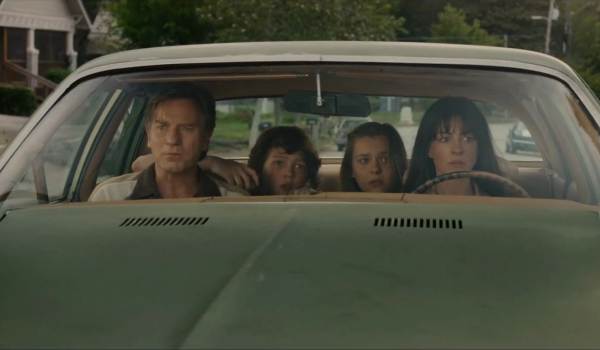
In 1982, the Platt family — parents Greg and Denise, kids Audrey and Brian, and dog Starbuck — wake up to find dinosaurs surrounding their neighborhood, which a mysterious force has transported to a prehistoric era. When Brian sneaks out searching for Starbuck, Audrey follows, and Greg and Denise, working through marital strain, go after them. The kids meet Jeanette, a neighbor girl the dinosaurs orphaned, who joins the group.
An Allosaurus ambushes the family after they’re reunited. Greg fights it off to save Denise, but it kills him in the process. Denise leads the kids toward a house where a wormhole has opened, and after evading more prehistoric dangers, the family finds Starbuck and jumps through together — landing back in 1982 on the same night the disaster began.
Armed with foreknowledge, Denise calls neighbors from a payphone to warn them, and redirects Greg so he survives this time. Two years later, the military has contained the prehistoric zone, Denise has written a book about the experience, and the Platts are closer than ever — now friends with a surviving Jeanette and her parents as well.
How the Time Travel Works
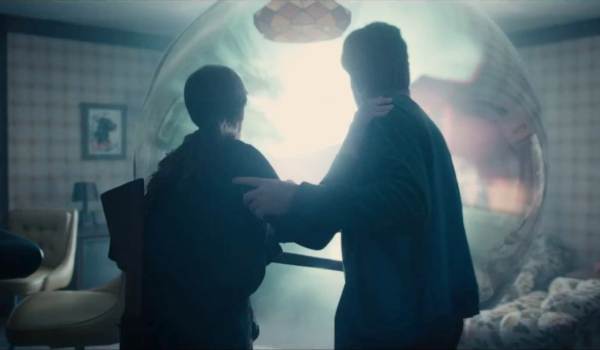
Unlike other time travel movies, the film gives no explanation for how the time travel actually works. No DeLorean is shown. No phone booth is used. Instead, the film offers only a street as the portal..The End of Oak Street deliberately keeps the mechanics behind the time travel twist vague. Viewers know lights are involved, but that’s about all the film confirms. Some characters speculate about aliens, though nothing proves it. Ultimately, the film offers only a wormhole as the family’s escape route back to 1982.
In the film’s final moments, the Platts enter the wormhole just before three dinosaurs catch up. The family returns twenty minutes before the anomaly pulls the neighborhood into the Mesozoic era. For anyone still confused by The End of Oak Street ending, the time travel is best treated as a plot device rather than hard science. This ambiguity is exactly why the ending explained conversation keeps trending online.
Greg’s Fate: Does He Survive?
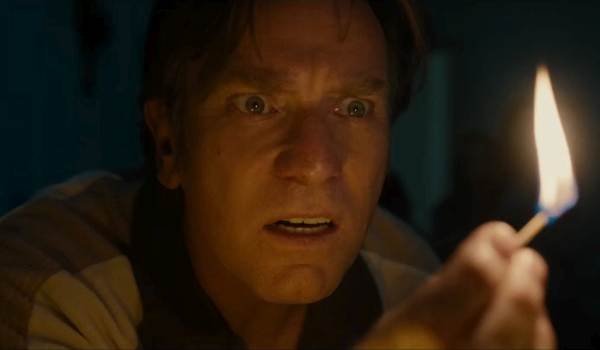
Greg’s leg is sacrificed first when the Allosaurus attacks the family. Ultimately, the Allosaurus kills Greg too, and his tragic death is what pushes the family to flee. Because of this loss, the family finally decides to skedaddle from this prehistoric nightmare. After the group travels back to 1982, Denise uses a payphone to order a pizza. Since only one delivery driver works for that pizza place, his route is redirected away from the neighborhood. As a result, an earlier version of Greg is saved before he ever reaches Flowervale. This clever timeline trick means that version of the dad never travels back in time at all. So while a T-Rex undoubtedly eats one Greg, a pizza order quietly spares another.
It’s a small, almost silly detail, but it’s treated as the emotional core of the ending explained by the film’s writers. Domino effects like this one keep the discussion of the Oak Street ending buzzing among fans.
The Twin Timelines Twist

The film’s otherwise straightforward plot leaves a big gaping hole. While The End of Oak Street seems simple at first, the finale reveals a huge twist. Two versions of Jeanette are shown together at the same backyard barbecue. One Jeanette comes from the timeline where the anomaly was experienced firsthand, and her parents were lost to dinosaurs.
The other Jeanette was warned in advance and never set foot near Flowervale. Because of this, the ending raises a much bigger question. Both versions of the Platt family are seemingly allowed to coexist across timelines. Does this mean the family that faced the dinosaur anomaly actually survived, or did they quietly perish instead? Was the family accidentally doomed by Denise, even as she believed she was saving them? ‘
Greg held onto hope that survival was still possible inside the dinosaur world. However, his sacrifice was also credited with saving the children in the other timeline. Were the kids then doomed to disappear without him? Fans are left wondering if the other family became nothing more than dinosaur chow, and that’s the real ending explained mystery.
Is It a Secret Cloverfield Movie?

Before the movie opened, plenty of speculation swirled around The End of Oak Street. Many assumed, including us, that this was secretly a Cloverfield sequel in disguise. However, producer J.J. Abrams eventually confirmed the film has no connection to that franchise at all. Instead, the same guerrilla marketing and mystery box tactics were simply reused to build buzz. This strategy worked well, since online chatter about a possible Cloverfield link spread quickly before release.
Ultimately, the movie stands entirely on its own as an original science fiction story. No shared universe is required to enjoy the twist ending, and no prior Cloverfield knowledge is needed either. For fans still searching for hidden crossover clues, none are confirmed to exist. This ending explained breakdown focuses only on what’s shown on screen, not outside universe theories. So while the mystery box hype was fun, The End of Oak Street ending explained really is a standalone story.
Is The End of Oak Street Worth Watching?
I’m giving The End of Oak Street 3.5 out of 5 stars. The movie, directed by David Robert Mitchell, surprisingly captivates despite its implausibility, combining Spielbergian humanism with a sense of alienation. The film blends thrilling escapism reminiscent of 1980s Amblin Entertainment, featuring Anne Hathaway and Ewan McGregor as suburbanites in a Jurassic Park-like scenario. While it lacks visual flair and emotional depth, it effectively delivers “dumb fun,” evoking both laughter and screams. The narrative emphasizes the importance of human connections over the dinosaurs, making it a nostalgic homage to classic Saturday matinees.
The End of Oak Street earns its place alongside Amblin-style classics by pairing genuine dinosaur thrills with a time-travel twist that lingers long after the credits roll. The dual-Jeannette reveal raises uncomfortable questions the film never fully answers, and that ambiguity is exactly what’s fueling the online conversation right now. Whether it’s a genre highlight or simply a fun summer surprise, one thing is certain — audiences won’t stop talking about that final backyard scene anytime soon.
What do you think really happened to the family left behind in the other timeline?
Drop your theory in the comments below, and don’t forget to share this breakdown with anyone who just walked out of the theater with the same burning questions.
Discover more from The Geek Twins
Subscribe to get the latest posts sent to your email.
