



Read this Klara and the Sun movie review to find out if it’s worth watching. Taika Waititi’s Klara and the Sun is a lot like its solar-powered heroine: sweet, sincere, and badly in need of a reboot. Adapting Kazuo Ishiguro’s 2021 novel, Waititi casts Jenna Ortega as Klara, an outdated Artificial Friend who worships the sun and gets adopted by Josie (Mia Tharia), a sick teen with a frosty mom played by Amy Adams. Ortega and Adams do their best, and the retro-future visuals are pretty. But the movie buries a quietly devastating story under goofy gags, rushed subplots, and an ending that just shrugs. My Klara and the Sun review verdict: two stars. Read the book instead.
Table of Contents
- About Klara and the Sun
- What Happens in Klara and the Sun (2026)?
- Does the Ending Set Up a Sequel?
- Who Are the Main Characters, and How Is the Acting?
- Is Klara and the Sun (2026) Technically Well Made?
- What’s Good and Bad in Klara and the Sun (2026)?
- Final Verdict: Should You Watch Klara and the Sun (2026)?
About Klara and the Sun
- Directed by Taika Waititi
- Written by Taika Waititi, Dahvi Waller
- Synopsis: “Based on the bestselling novel from Nobel Prize-winner Kazuo Ishiguro and written and directed by Academy-Award® winner Taika Waititi (Jojo Rabbit), Klara and the Sun introduces audiences to Klara (Jenna Ortega), an Artificial Friend who wants nothing more than to find the perfect home. When Klara meets Josie (Mia Tharia), each immediately senses a kindred spirit in the other. Josie has a fraught relationship with her mother (Amy Adams) and they’ve suffered great loss, but Klara’s innocent wonder and unwavering loyalty begin to heal the family and bring light to Josie’s complicated world.”
- Release date: October 23, 2026
- Rated: PG-13
- Starring: Jenna Ortega, Amy Adams, Mia Tharia, Aran Murphy, Steve Buscemi, Natasha Lyonne, Harry Greenwood, Antonia Prebble, Rachel Forman, Laura Interval, Davida McKenzie, Sura Siu, Molly Curnow, Bronwyn Bradley, Alexandra Hall, and Jesse Griffin
Watch the trailer below:
Warning: Spoilers for Klara and the Sun
What Happens in Klara and the Sun (2026)?
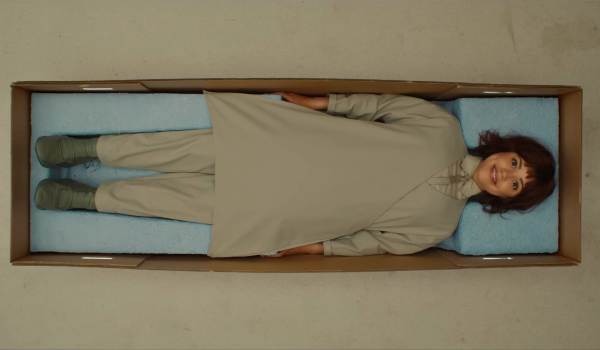
Klara and the Sun (2026) opens with Jenna Ortega’s Klara, a discontinued Artificial Friend, praying to the Sun from the window of a shop run by Natasha Lyonne’s Manager. Her model was retired for being “too humanlike,” so getting picked by Josie (Mia Tharia) feels like a miracle.
The honeymoon doesn’t last. At the family’s remote home, Klara learns Josie is seriously ill and that her mother, Chrissie (Amy Adams), has already lost her older daughter, Sal. Chrissie treats Klara like a product with a warranty, threatening to ship her back to the factory to be melted down for parts. Meanwhile, Josie’s best friend and crush, Rick (Aran Murphy), worries the two are headed for very different futures.
Convinced the Sun can heal Josie, Klara decides a polluting machine is blocking its light. With help from Josie’s father, she sets out to destroy it, giving up part of herself to pay for the miracle. For a while, nothing changes. Then, on Josie’s darkest day, the clouds part, sunlight floods her room, and she starts to recover. Whether the Sun actually did anything is left wide open.
The Klara and the Sun ending should be quietly devastating. Josie grows up and leaves for college. Klara, slowly fading, is retired to a junkyard to sort through her memories. The Manager finds her there, bringing the story full circle. On the page, it’s a gut punch. On screen, it barely registers.
Klara and the Sun (2026) Ending Explained. Does the Ending Set Up a Sequel?
No sequel has been announced, and Ishiguro’s novel is a standalone story. Still, the ending of Klara and the Sun (2026) closes Josie’s story but leaves Klara’s wide open. Josie recovers, grows up, and heads off to college. Klara isn’t destroyed, though. She’s retired to a junkyard, slowly fading but still thinking, remembering, and soaking up the Sun. For a story about an Artificial Friend, “decommissioned but still conscious” is practically a cliffhanger.
The Manager’s final visit is the biggest hook. Natasha Lyonne bookends the movie, and her return suggests someone is still keeping track of the old AF models. A sequel could follow the Manager gathering forgotten Artificial Friends, or reveal what happened to Rosa and the other androids Klara knew from the store window.
Then there’s the Sun. Taika Waititi never confirms whether Klara’s miracle was real or just a lucky break in the weather. That could be sequel fuel, but here it mostly feels like the movie couldn’t decide what it believed.
The world-building is also barely scratched. The anti-android resentment, the divide between kids like Josie and Rick, and the factory that threatened to melt Klara down are all threads Waititi set up and never bothered to pull.
So could there be a Klara and the Sun 2? Technically. But with reviews this rough, Sony is more likely to send this one back to the factory.
Who Are the Main Characters, and How Is the Acting?
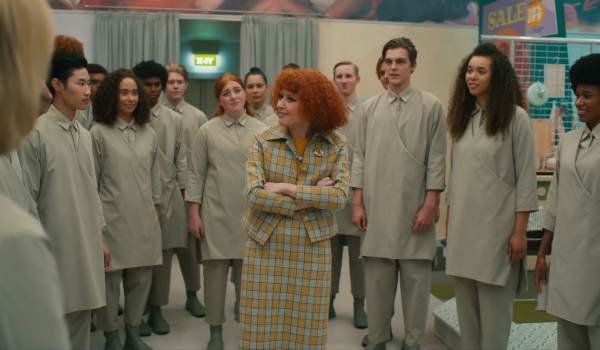
Jenna Ortega tries hard to carry Klara and the Sun on her solar-powered shoulders. Ditching her signature Wednesday deadpan, she plays Klara with wide-eyed curiosity and awkward physicality, and she’s the best thing in the movie. The problem is the script, which writes Klara as relentlessly cheerful and one-note, leaving Ortega stuck smiling through scenes that should hurt.
Amy Adams fares better. As Chrissie, a mother still grieving one daughter and terrified of losing another, she’s cold, sharp, and quietly desperate. Her scenes with Ortega have more emotional weight than anything else in the movie, which only makes you wish the rest of it had been built around them.
Mia Tharia is solid as Josie, though the movie spends so much time on Klara’s quirks that Josie barely registers as a person. Aran Murphy makes a likable debut as Rick, but he’s given almost nothing to do beyond worry and look lovestruck.
Natasha Lyonne brings her trademark rasp and dry wit to the Manager, and she’s fun in small doses. Steve Buscemi shows up late, makes everyone deeply uncomfortable, and then disappears before his character amounts to anything.
Overall, the cast is far stronger than the material. Ortega and Adams deserve a movie that trusts its heartbreak as much as they do. This isn’t it.
Is Klara and the Sun (2026) Technically Well Made?
Visually, Klara and the Sun is pretty to look at. The sun-drenched countryside and the retro-future city give it a fairy-tale glow, and the glitchy, pixelated look of Klara’s failing memory is a neat touch.
Unfortunately, pretty isn’t the same as well-made. At 116 minutes, the movie lurches from subplot to subplot with no real momentum, and the jumps between Waititi-style gags and heavy grief scenes are jarring. Entire storylines get set up and abandoned. It feels less like a finished film and more like a rough cut that someone forgot to tighten.
What’s Good and Bad in Klara and the Sun (2026)?
Pros
- Jenna Ortega gives it her all. Trading her Wednesday Addams scowl for wide-eyed wonder, Ortega makes Klara sweet and likable, even when the script gives her nothing to work with.
- Amy Adams brings real emotion. As a grieving mother who sees Klara as both a tool and a threat, Adams delivers the movie’s only consistently strong performance.
- It looks nice. The sun-soaked countryside and retro-future city have a storybook quality that’s easy on the eyes, even when the story isn’t.
Cons
- Tonal whiplash. Taika Waititi’s quirky humor keeps crashing into the story’s heartbreak, so just when a scene starts to land emotionally, a goofy gag knocks the wind right out of it.
- It misses the point of the book. Kazuo Ishiguro’s novel lives inside Klara’s quiet, careful perspective. Waititi’s broad, busy adaptation smears all of that subtlety away.
- A messy, overstuffed story. Too many subplots, too little focus, and an ending that just kind of shrugs make two hours feel a lot longer.
Final Verdict: Should You Watch Klara and the Sun (2026)?
Klara and the Sun (2026) had everything going for it: a Nobel Prize-winning source novel, an Oscar-winning director, and a cast led by Jenna Ortega and Amy Adams. Somehow, it still comes out hollow. Waititi’s trademark whimsy smothers the quiet heartbreak that made Ishiguro’s story special, and the movie crams in so many half-finished subplots that none of them land. Ortega and Adams keep it watchable, and it looks lovely, but that’s not enough to save it. If you love the novel, skip this and reread it. If you’re here for Ortega, wait for streaming.
Overall: Wait for Streaming
I’m giving Klara and the Sun 2 out of 5 stars.

Have you watched Klara and the Sun yet? Let us know what you think in the comments section below, and feel free to share this review on any social media platform.
You can also follow us on Twitter, Facebook, and Bluesky. Have a wonderful day, and read our previous movie reviews.
RELATED POSTS
Discover more from The Geek Twins
Subscribe to get the latest posts sent to your email.
