


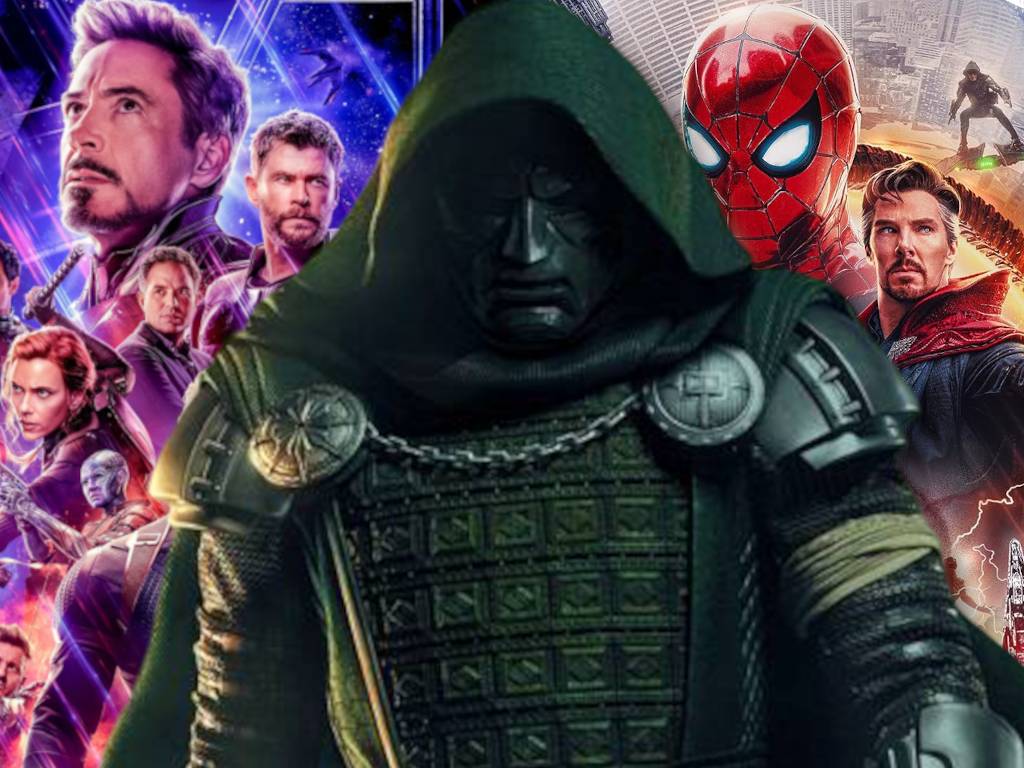
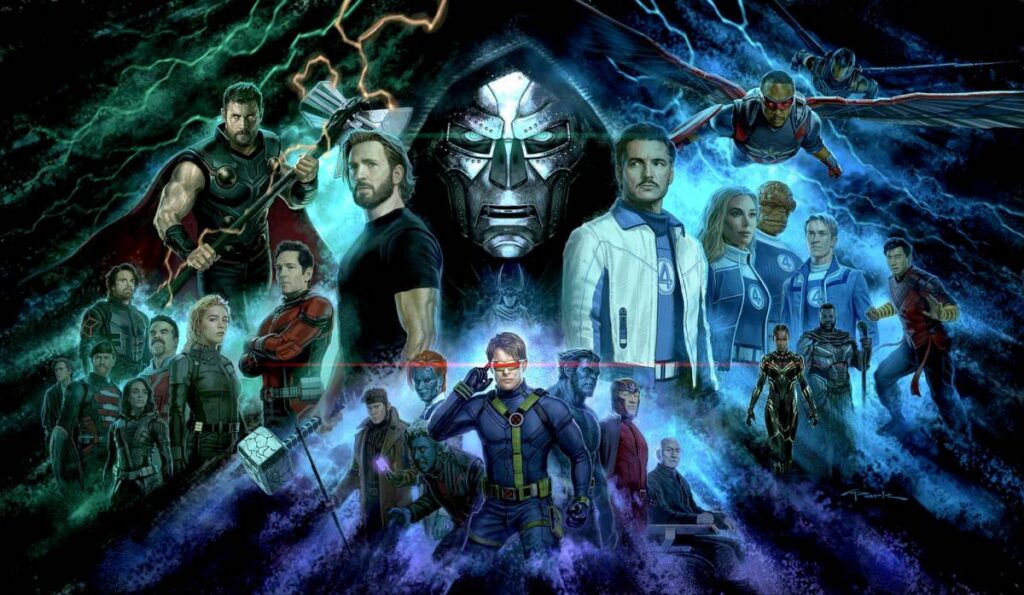
Avengers: Doomsday finally has a firm release date, and the countdown to December 18, 2026 is officially on. With the Russo brothers back in the director’s chair and a sprawling, multiverse-spanning cast, this crossover pulls threads from over two decades of Marvel storytelling. Before Robert Downey Jr. steps into the role of Doctor Doom, here’s exactly what belongs on your watchlist.
Table of Contents
- Avengers: Endgame — Where It All Left Off
- Avengers: Endgame Encore — What’s New
- Loki — The Multiverse Blueprint
- The Falcon and the Winter Soldier — Sam Becomes Cap
- The X-Men Legacy Block
- The Multiverse Saga Essentials
- Thunderbolts* — Meet the New Team
- Fantastic Four: First Steps — The Multiverse Piece
- Captain America: Brave New World — The Political Chessboard
- Doctor Doom — Who Is He, Really?
- Frequently Asked Questions
Watch Guide Infographic
Avengers: Endgame — Where It All Left Off

Look, technically you don’t have to rewatch Avengers: Endgame. You lived through it. You cried, probably. But Doomsday is leaning hard into “remember when,” so a refresher isn’t the worst idea.
Half the universe got snapped. Everyone moped for five years. Then things got fixed with a time-heist plot that somehow still holds up. Tony Stark sacrificed himself. Steve Rogers got old on purpose. The Avengers, as a team, kind of fell apart. That’s exactly the gap Doomsday is stepping into.
If you’re feeling ambitious, toss in Captain America: The First Avenger, The Avengers (2012), and Infinity War as a “who even were these people again” refresher trio. Not mandatory. Just helpful if your Marvel knowledge has gone a little fuzzy since 2019.
The big thing to walk away with is that this franchise is obsessed with its own legacy right now. Endgame is where that legacy was written. Doomsday knows it. It’s banking on you remembering it too.
Avengers: Endgame Encore — What’s New
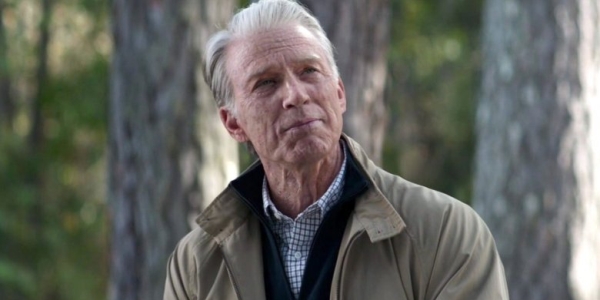
While you may not want to watch Avengers: Endgame again, Avengers: Endgame Encore is looking like essential viewing this time around. It releases in theaters on September 25, 2026, a few months ahead of Doomsday. That gives fans one last big-screen event before the main course. The re-release adds new footage shot specifically for this version, along with a fresh introduction from directors Joe and Anthony Russo. There’s also a brand-new post-credits scene that directly sets up the events of Doomsday. None of this existed in the original 2019 cut.
Early reports put the additional runtime at around 14 minutes. Depending on who you ask, that footage might be must-watch material rather than a victory-lap bonus reel. Russo has described the project less as a nostalgic cash grab and more as a deliberate bridge between the two films.
Encore also marks the return of Infinity Vision, Disney’s new premium large-format certification competing directly with IMAX. So if you’re near a certified screen, it might be worth catching on the biggest setup available. Basically: treat the original Endgame as optional homework, but treat Encore like it’s part of the main curriculum.
Loki — The Multiverse Blueprint

Loki follows the god of mischief as he’s hunted by the Time Variance Authority (TVA) for messing with the so-called Sacred Timeline. Across two seasons, the show methodically builds out the TVA’s bureaucracy, the collapse of that single timeline, and the resulting chaos of infinite branching realities. Back when Kang the Conqueror was still being positioned as the MCU’s next big villain, the show dug deep into the mechanics of “incursions” (realities colliding and destroying each other). It turns out to be exactly the kind of catastrophe Doomsday is built around.
The series finale, where Loki takes on the burden of holding the multiverse together himself, reframes the entire threat in personal terms rather than pure cosmic spectacle. It also quietly explains why Tom Hiddleston is back in the mix for Doomsday. It also explains why his version of the character carries more narrative weight than a typical cameo would. If Doomsday really is leaning on the “three worlds colliding” premise everyone’s speculating about, Loki isn’t optional viewing. It’s the instruction manual for how any of this is supposed to work.
The Falcon and the Winter Soldier — Sam Becomes Cap

The limited series The Falcon and the Winter Soldier brought Sam and Bucky back together as a reluctant, bickering team forced to work through their own baggage. It extensively explores Sam Wilson’s hesitation, then eventual decision, to take up the shield and become the new Captain America. It’s a choice loaded with real-world weight given the character’s history.
The show also gives much-needed characterization to Bucky as he grapples with his past as the brainwashed assassin Winter Soldier, including a genuinely uncomfortable therapy subplot. Along the way, it introduces Zemo as a scene-stealing wildcard and the Flag Smashers as a group whose motivations are messier than most MCU villains’. It’s also John Walker’s first appearance, well before his Thunderbolts turn as U.S. Agent. The show does the legwork explaining why he’s such an unstable presence on a team full of people trying to hold it together. Doomsday is effectively a continuation of Wilson’s arc from Brave New World, which we’ll get into later — but this series is where that arc actually starts.
The X-Men Legacy Block
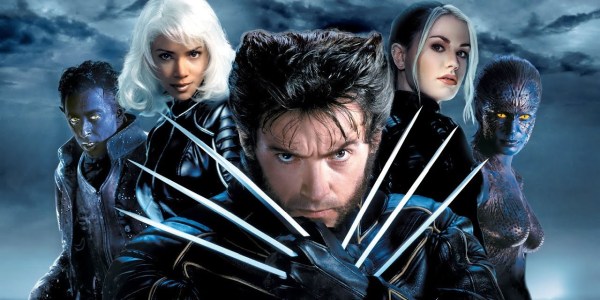
When Marvel bought Fox, we all knew the X-Men were eventually joining the MCU — we just didn’t know how. Doomsday is going to be the first real appearance of the original cast within the franchise, so if you haven’t watched X-Men (2000) and X2 (2003), you’re missing some fairly essential groundwork. These films establish the core ideological clash between Charles Xavier’s hope for peaceful coexistence and Magneto’s belief that mutants need to fight for survival — a conflict that’s shaped basically every X-Men story since.
The Fox-era cast is coming back, and they’re most likely going to build directly on characters last seen two decades ago, so a little context goes a long way. Doomsday is expected to explain why Patrick Stewart, Ian McKellen, James Marsden, Alan Cumming, Rebecca Romijn, and Kelsey Grammer are all reprising these roles. But you’ll get a lot more out of it if you already know who they are.
Deadpool & Wolverine (2024) is the actual bridge between the Fox era and the MCU, and it’s vital for understanding how these two separate universes collide. Plus, it explains — loudly, and with plenty of fourth-wall breaks — why Wolverine is somehow coming back once again (“Till he’s 90!”).
The Multiverse Saga Essentials

While Loki was busy setting up the multiverse on the small screen, a handful of big-screen movies were doing the same heavy lifting on a bigger stage. Spider-Man: No Way Home set the template for cross-franchise multiverse crossovers. It brings the Sony-era Spider-Man characters into the MCU for a genuinely emotional battle royale. It proves audiences will show up for it in massive numbers.
Doctor Strange in the Multiverse of Madness marked the first true on-screen multiverse dive, complete with Illuminati cameos and Professor X’s surprise MCU debut. Years before anyone knew he’d matter to Doomsday. Plus, Shang-Chi and the Legend of the Ten Rings introduces the Master of Martial Arts and explores the hidden pocket dimension Ta Lo, tying ancient mysticism into the wider multiversal picture.
Finally, Black Panther: Wakanda Forever brings Namor the Submariner into the fold, along with the tense, uneasy history between Wakanda and Talokan that Doomsday appears to be building on. It also introduces T’Challa’s son, who’s quietly being positioned as the next Black Panther. It’s a detail that might matter more than it seems right now.
Thunderbolts* — Meet the New Team
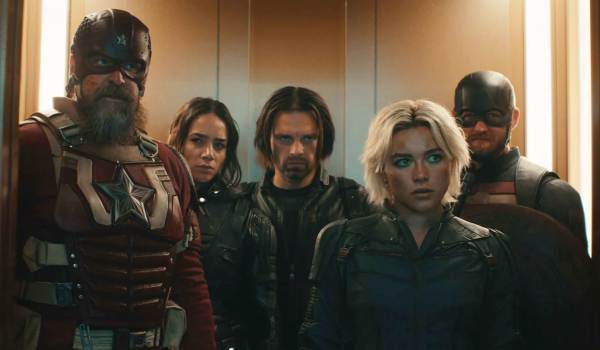
The newest Marvel superteam is Thunderbolts, otherwise known as the New Avengers. The movie introduces Sentry as a wildly overpowered wildcard while bringing together Yelena Belova, Ghost, Bucky, Red Guardian, and John Walker as a genuinely dysfunctional group of former assets and disgraced heroes. [SPOILER] Ghost doesn’t make it past the first act, but her death is what actually forces the rest of the team to stop working against each other and start working together. What starts as a mercenary trap gone wrong turns into a full origin story, and by the end this ragtag group has become something resembling an actual team. Messy loyalties and all. This ensemble is coming directly into Doomsday, and it’s going to be wild watching Sentry’s borderline godlike power scale get tested against someone like Doctor Doom, who’s used to being the smartest person in any room, not necessarily the strongest.
The film also does a solid job making these characters sympathetic despite their pasts, which matters a lot heading into a crossover this size. Doomsday needs the audience to actually care about the New Avengers, not just recognize them.
Fantastic Four: First Steps — The Multiverse Piece
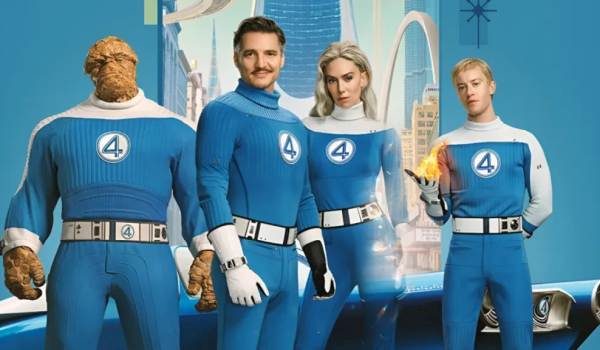
Fantastic Four: First Steps finally brings Reed Richards, Sue Storm, Johnny Storm, and Ben Grimm into the main MCU timeline after years of false starts and two forgettable reboots nobody talks about anymore. The film is set in an alternate reality with its own retro-futuristic aesthetic, which matters a lot once you realize the entire point is showing how that world eventually collides with the one everyone else has been living in. This is critical for understanding the “three worlds colliding” premise that keeps popping up in every Doomsday breakdown, since the Fantastic Four’s universe is essentially one of the three plates about to crash together.
The family dynamic between the four leads gives the team a warmth that’s been missing from every previous attempt. Galactus shows up as a genuinely massive, planet-eating threat rather than the disappointing cloud version fans have been mocking for over a decade. Stick around for the credits, because that’s where audiences got their first on-screen glimpse of Robert Downey Jr. as Doctor Doom. He’s quiet, unassuming, and doing absolutely nothing to hint at how big his role is about to become. So far, his accent sounds better than his Welsh for Dr. Dolittle.
Captain America: Brave New World — The Political Chessboard
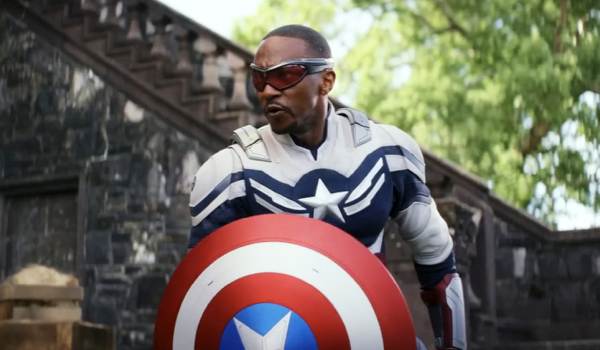
Captain America: Brave New World picks up Sam Wilson’s story well after his shield-wielding debut, dropping him into a mess of international politics, conspiracy, and a newly elected President Ross trying to hold together a fragile global alliance. The film leans hard into geopolitical tension rather than straightforward superhero spectacle. It positions Sam as a diplomat as much as a fighter. He’s someone who has to talk his way through problems that punching won’t solve.
Those stakes don’t stay contained to one movie. They carry directly into the larger, planet-level threat Doomsday is built around, and the alliances (or lack thereof) formed here seem likely to matter once the world actually needs everyone working together. The film also connects Sam’s arc all the way back to his time in The Falcon and the Winter Soldier. It’s closing the loop on a character who spent an entire series wondering if he even wanted the job. By the end, Sam’s fully stepped into the role, which puts him in an interesting position heading into Doomsday: a Captain America without an Avengers team behind him, at least not yet.
Doctor Doom — Who Is He, Really?
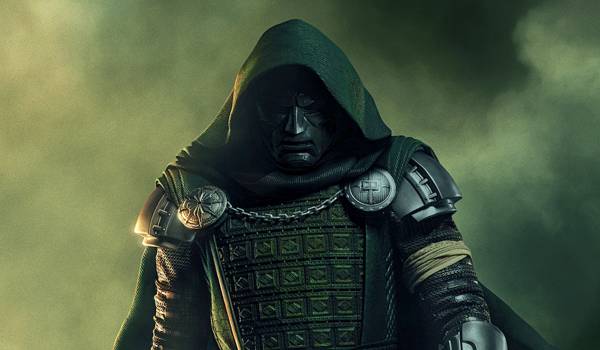
For anyone who’s never cracked open a Fantastic Four comic, Doctor Doom might just look like “evil Iron Man in a cape,” but the character’s history goes a lot deeper than that. Victor Von Doom is the ruler of Latveria, a brilliant scientist and sorcerer whose ego is arguably his most dangerous power, and his rivalry with Reed Richards has been one of Marvel’s defining conflicts for over sixty years. His comic-book motivations are a genuinely fascinating mix of wounded pride, misplaced blame, and a twisted sense of protecting the people he rules over. He’s not a cartoonish villain. He’s someone who fully believes he’s the hero of his own story.
Robert Downey Jr. stepping into the role caught almost everyone off guard. Worth repeating one more time for the people in the back: this is a brand-new character, not Tony Stark in a mask, so no Iron Man rewatch required. Expect Doom to function as Doomsday’s central threat, someone whose intelligence and scale make him a genuine match for an entire assembled team rather than just another one-on-one brawler.
Avengers: Doomsday — Frequently Asked Questions
When does Avengers: Doomsday come out?
Avengers: Doomsday releases in theaters on December 18, 2026
Do I need to watch all 15 movies on Disney+’s list?
No — Disney+’s list is comprehensive, but the sections above cover the essentials without a full 15-title marathon
Why are the original X-Men movies on the watchlist?
Several Fox-era X-Men actors, including Patrick Stewart and Ian McKellen, are reprising their roles in Doomsday. It’s worth noting that Marvel left out the X-Men sequels and reboots from their viewing guide.
Is Robert Downey Jr. playing Iron Man again?
No — RDJ returns as the villain Doctor Doom, not Iron Man
Who is directing Avengers: Doomsday?
Anthony and Joe Russo, who also directed Avengers: Infinity War and Avengers: Endgame
Discover more from The Geek Twins
Subscribe to get the latest posts sent to your email.
