


From comic book legends to box office icons, the Avengers have defined modern superhero storytelling. Whether it’s the genius of Iron Man or the cosmic power of Thor, Marvel’s heroes dominate pop culture. Here are the 25 most popular Marvel heroes ranked by cultural impact, fan following, and MCU influence.
How are the Heroes of the Marvel Cinematic Universe Ranked?
Before we begin, let’s talk about how the heroes were chosen. In the MCU, an Avenger’s power isn’t just about who punches hardest. It’s also not one of the most famous Marvel superheroes. It’s a mix of raw strength, durability, combat skill, energy output, versatility, and battlefield impact. Characters like Thor and Captain Marvel rank highly for cosmic-level destruction and survivability, while Scarlet Witch and Doctor Strange dominate through reality-warping and mystic versatility. Meanwhile, enhanced tacticians like Captain America prove that leadership, strategy, and consistency matter in large-scale battles. Ultimately, rankings weigh on-screen feats, scale of threats defeated, and how much each hero can change the outcome of a fight alone.
The 25 Most Powerful Superheroes in the MCU
| Rank | Superhero |
|---|---|
| 1 | Thor Odinson |
| 2 | Sentry / Robert Reynolds |
| 3 | Scarlet Witch / Wanda Maximoff |
| 4 | Silver Surfer |
| 5 | Captain Marvel / Carol Danvers |
| 6 | Adam Warlock |
| 7 | G’iah |
| 8 | Hulk / Bruce Banner |
| 9 | Doctor Strange / Dr. Stephen Strange |
| 10 | Ikaris |
| 11 | Vision |
| 12 | Mr. Fantastic / Reed Richards |
| 13 | Invisible Woman / Sue Storm |
| 14 | Iron Man / Tony Stark |
| 15 | Thing / Ben Grimm |
| 16 | Spider-Man / Peter Parker |
| 17 | Human Torch / Johnny Storm |
| 18 | Loki |
| 19 | Black Panther / T’Challa |
| 20 | Wong |
| 21 | Ancient One |
| 22 | Shang-Chi |
| 23 | She-Hulk / Jennifer Walters |
| 24 | Ironheart / Riri Williams |
| 25 | Sylvie |
| 26 | Captain America / Steve Rogers |
| 27 | Namor |
| 28 | Valkyrie |
| 29 | America Chavez |
| 30 | Mantis |
| 31 | Ant-Man / Scott Lang |
| 32 | Nebula |
| 33 | Groot |
| 34 | Rocket Raccoon |
| 35 | Daredevil / Matt Murdock |
| 36 | Echo / Maya Lopez |
| 37 | Falcon / Captain America / Sam Wilson |
| 38 | War Machine / James Rhodes |
| 39 | Winter Soldier / Bucky Barnes |
| 40 | Wasp / Hope Van Dyn |
| 41 | Black Widow / Natasha Romanoff |
| 42 | Yelena Belova |
| 43 | Gamora |
| 44 | Drax |
| 45 | Star-Lord / Peter Quill |
| 46 | Moon Knight / Marc Spector |
| 47 | Hawkeye / Clint Barton |
| 48 | Kate Bishop |
| 49 | Quicksilver / Pietro Maximoff |
| 50 | Ms. Marvel / Kamala Khan |
50. Ms. Marvel / Kamala Khan
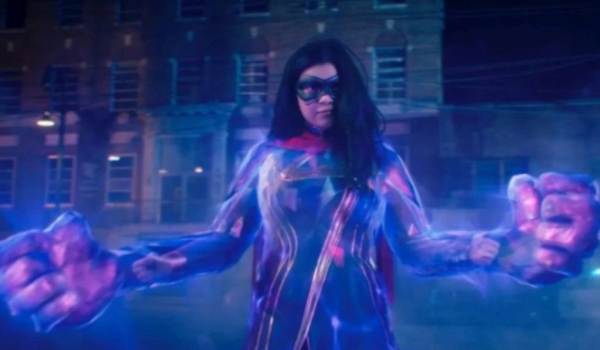
First Appearance: Marvel Studios’ Ms. Marvel (2022)
Summary: Hard-light constructs provide versatile offensive and defensive capabilities.
First on the list is the MCU’s first Pakistani-American superhero. Ms. Marvel’s comic book powers are different from those in her self-titled show. Still, they allow Kamala Khan (Iman Vellani) to create hard-light constructs and extend her limbs with increased strength. Kamala Khan demonstrates solid defensive and offensive versatility, forming shields and enlarged fists for combat. Although powerful for a young hero, her feats remain moderate compared to veteran Avengers like her idol, Captain Marvel. Moreover, she lacks the high-end durability and large-scale destructive output of the heavy hitters. While her creativity and adaptability show immense potential, her current Marvel Cinematic Universe appearances place her in the lower tier of overall power.
49. Quicksilver / Pietro Maximoff
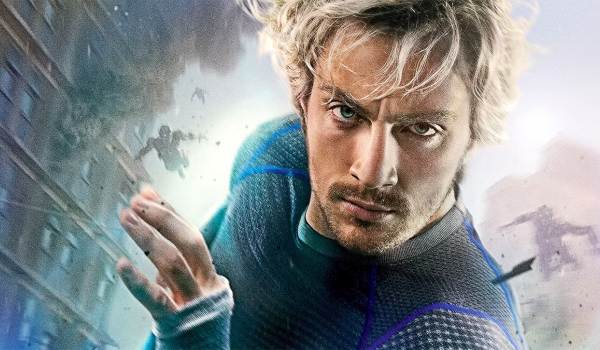
First Appearance: Avengers: Age of Ultron (2015)
Summary: Super-speed grants a decisive tactical combat advantage.
Next on the list is the MCU Quicksilver (not the X-Men version). His power lies entirely in super-speed. Pietro Maximoff (Aaron Taylor-Johnson) moves fast enough to rescue civilians and reposition teammates within seconds during large-scale battles. In fact, his velocity gives him a decisive advantage against slower opponents. Nevertheless, he lacks enhanced durability, as shown by his fatal injury in Age of Ultron. While his speed creates tactical dominance, his limited screen time and vulnerability reduce his ranking. In short, in pure power scaling, speed alone does not outweigh durability or energy projection.
48. Kate Bishop
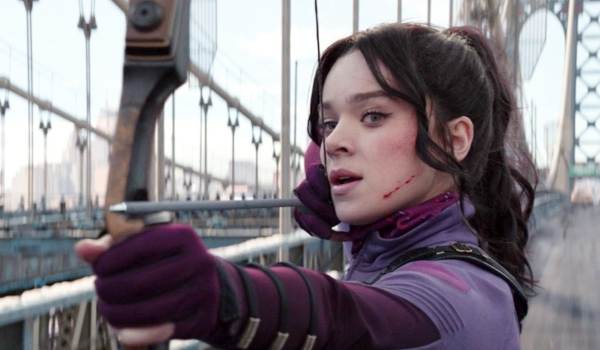
First Appearance: Hawkeye
Summary: Elite archery and gymnastics fuel a fearless rookie.
By comparison, our next hero has no powers at all. Clint Barton’s protégé. Kate Bishop’s (Jeremy Renner) archery skills are unmatched, allowing him to strike targets with perfect accuracy under extreme pressure. Furthermore, his trick arrows — explosive, electric, grappling, and more — expand his combat versatility. In major MCU battles, he provides crucial support and tactical cover. However, without superhuman durability or enhanced strength, he remains vulnerable in confrontations. Hawkeye excels as a battlefield strategist rather than a powerhouse, placing him lower in pure power rankings.
46. Moon Knight / Marc Spector
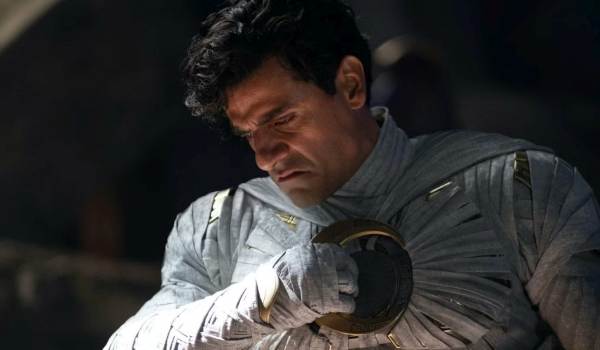
First Appearance: Marvel Studios’ Moon Knight (2022)
Summary: Mystically enhanced fighter with extreme resilience.
On the other hand, our next hero does have superpowers. Moon Knight’s MCU abilities include enhanced strength, durability, and rapid healing granted by Khonshu. Moon Knight / Marc Spector (Oscar Isaac) withstands stab wounds and continues fighting with minimal slowdown. His combat style is brutal and relentless. Nevertheless, his feats remain grounded compared to cosmic-tier characters. He lacks large-scale destructive abilities or energy projection. That said, The Fist of Khonshu excels in one-on-one combat scenarios. He does not demonstrate battlefield-wide dominance. His mystical enhancement places him above street-level heroes, though far below reality-warpers or gods.
45. Star-Lord / Peter Quill
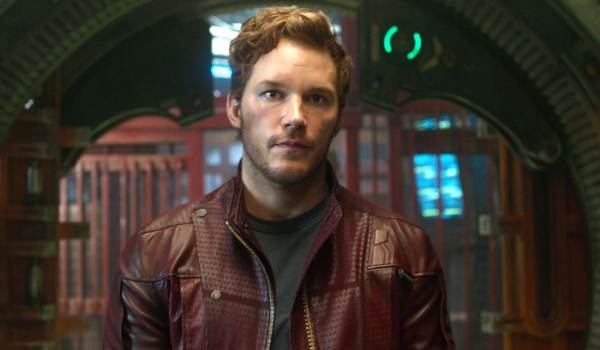
First Appearance: Guardians of the Galaxy
Summary: Advanced alien tech and temporary Celestial heritage.
Climbing up the power rankings is Star-Lord / Peter Quill (Chris Pratt). In the MCU, his power fluctuates. In Guardians of the Galaxy Vol. 2, his Celestial heritage allows him to manipulate planetary energy while connected to Ego. However, after defeating his father, Quill loses those cosmic abilities. Outside of that temporary boost, his strength comes from advanced alien weaponry, flight tech, and combat experience. While he is resourceful and durable, he lacks the overwhelming physical or energy-based feats of higher-ranked heroes. His tactical unpredictability helps in team fights, although in raw power terms, he ranks in the lower half.
44. Drax
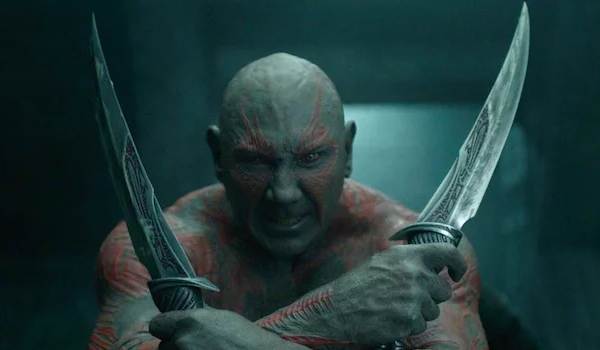
First Appearance: Guardians of the Galaxy (2014)
Summary: Durable brawler relying on brute force.
Next on the list is Drax (Dave Bautista). He has impressive durability and above-human strength throughout the MCU. He survives crashes, explosions, and brutal beatings with minimal lasting damage. In combat, he relies on brute force and relentless aggression. Yet, he lacks refined technique or large-scale destructive output. Compared to Thor or Hulk, his strength is clearly lower, but against standard alien forces, he remains highly effective. Drax functions best as a frontline brawler rather than a top-tier powerhouse. Even so, his resilience keeps him competitive, though his overall power ceiling is limited. Find out how Bautista ranks in our list of the greatest Wrestlers-turned-Actors of all time.
43. Gamora
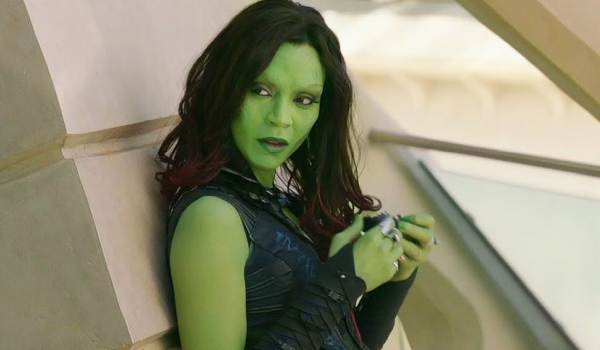
First Appearance: Guardians of the Galaxy (2014)
Summary: Enhanced warrior trained as the galaxy’s deadliest assassin.
Before we leave our cosmic heroes behind, let’s talk about Gamora (Zoe Saldaña). The MCU version of the character has enhanced strength, agility, and elite combat skills. As Thanos’ adopted daughter, she was trained to be one of the galaxy’s deadliest warriors. As a result, she effortlessly handles heavy weaponry and defeats multiple enemies in close combat. However, she does not display large-scale destructive power or energy manipulation. Her strength is superior to most humans but below Hulk-level combatants. Gamora excels in lethal precision and durability rather than overwhelming force, placing her in the skilled-but-not-cosmic tier of MCU power rankings.
42. Yelena Belova

First Appearance: Hawkeye (2021)
Summary: Widow-trained assassin with peak reflexes and improvisation.
Continuing in our first ten is Yelena Belova (Florence Pugh). She graduated from the same brutal Red Room program as Natasha Romanoff, and it shows. Her acrobatics, marksmanship, and hand-to-hand combat rival any trained human in the MCU. During the Thunderbolts’ fallout, she also proves capable of leading a team of unstable enhanced operatives without being outmatched physically. Additionally, her dry wit masks a ruthless tactical mind that keeps her alive against superior firepower. Still, she has no powers beyond rigorous training, meaning she loses badly against anyone with real durability or energy output. Yelena’s edge lies in adaptability, not raw force, keeping her in the skilled-human tier.
41. Black Widow / Natasha Romanoff
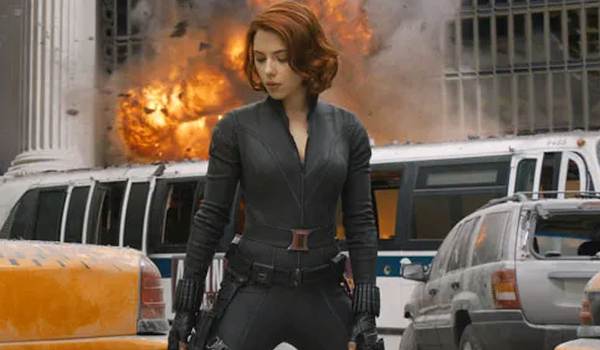
First Appearance: Iron Man 2
Summary: Master spy whose combat instincts rival those of enhanced fighters.
Setting the stage at #41 is Natasha Romanoff (Scarlett Johansson) built a career proving that skill can stand toe-to-toe with superpowers. Her Red Room training gives her elite marksmanship, hand-to-hand mastery, and interrogation tactics that repeatedly turn the tide in Avengers battles. In Endgame, she willingly sacrifices herself to retrieve the Soul Stone, a decision that cements her legacy over any raw power metric. Furthermore, her leadership steadies the team during chaotic engagements against enhanced threats. That said, without superhuman durability, she remains vulnerable to direct hits from cosmic-tier opponents. Natasha’s power is tactical and human, not physical, which caps her ceiling in this list.
40. Wasp / Hope Van Dyn
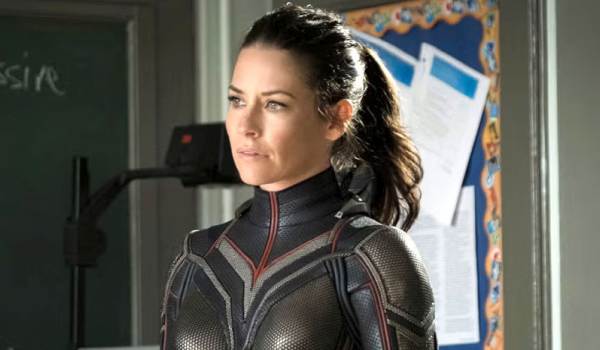
First Appearance: Ant-Man
Summary: Flight and bio-electric stings enable precision attacks.
Our last entry in the bottom ten of our list is Wasp / Hope Van Dyn (Evangeline Lilly), who has a suit that gives her flight, agility, and bio-electric stingers. Her shrinking ability allows stealth attacks, while her energy blasts provide ranged offense. In combat scenes, Hope demonstrates more precision and tactical control than Ant-Man / Scott Lang (Paul Rudd). Though she lacks large-scale destructive feats, her mobility and rapid-strike capability make her extremely effective. In conclusion, she operates best in coordinated team battles rather than direct brute-force fights.
39. Winter Soldier / Bucky Barnes
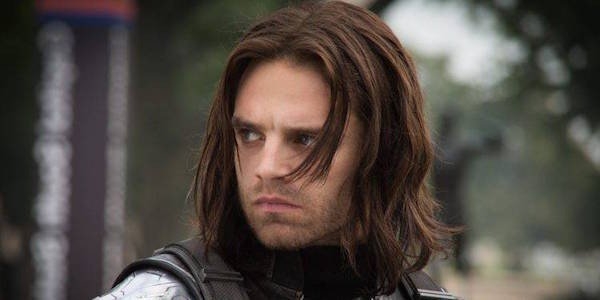
First Appearance: Captain America: The First Avenger
Summary: Vibranium arm enhances elite assassin combat skills.
The Winter Soldier’s MCU power centers on enhanced super-soldier strength and a vibranium cybernetic arm. Winter Soldier / Bucky Barnes (Sebastian Stan) matches Captain America in hand-to-hand combat and demonstrates elite assassin-level precision. Furthermore, his metal arm allows him to overpower opponents, crush objects, and withstand heavy impacts. While he lacks energy projection or mystical abilities, his durability and combat efficiency make him highly dangerous in close quarters. In contrast to cosmic-tier threats, Bucky performs best in tactical, grounded battles. Against human or enhanced opponents, however, he remains one of the most powerful Marvel superheroes in terms of physical combat.
38. War Machine / James Rhodes
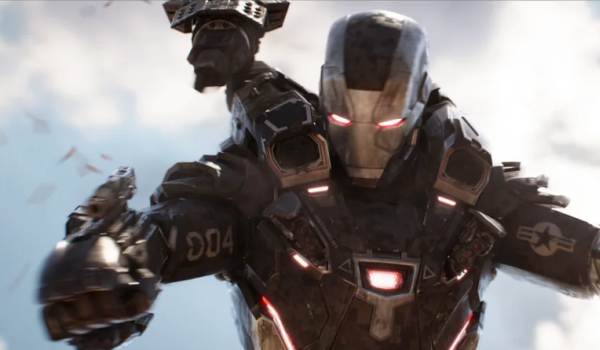
First Appearance: Iron Man
Summary: Heavy artillery armor built for warfare dominance. And then we have War Machine.
His armor prioritizes heavy artillery over versatility. Equipped with missiles, machine guns, and sonic weapons, War Machine / James Rhodes (Don Cheadle) excels in large-scale combat. Additionally, his durability rivals earlier Iron Man suits, though not Tony’s nanotech versions. He plays key support roles in Infinity War and Endgame, providing sustained firepower against alien forces. While lacking elite durability against top-tier villains, his military-grade arsenal keeps him combat-relevant throughout the franchise.
37. Falcon / Captain America / Sam Wilson

First Appearance: Captain America: The Winter Soldier
Summary: Aerial mobility combined with vibranium shield mastery.
Another African-American hero is Falcon. His MCU strength comes from aerial mobility and advanced Wakandan upgrades. Sam Wilson’s (Anthony Mackie) flight suit grants speed, maneuverability, and drone support through Redwing. In addition, in The Falcon and the Winter Soldier, he adds vibranium shield mastery to his arsenal, blending Captain America’s symbolism with aerial combat tactics. While not superpowered biologically, Sam’s agility and strategic positioning give him an edge in coordinated battles. Although his durability is lower than that of enhanced heroes, his precision, speed, and shield skill allow him to compete effectively against super-soldiers and armored enemies.
36. Echo / Maya Lopez

First Appearance: Marvel Studios’ Echo
Summary: Photographic reflex mimicry paired with mystical Chippewa ancestry.
Continuing on our radar is Maya Lopez (Alaqua Cox), who fights without hearing, superhuman strength, or energy powers, yet she remains dangerous. Her photographic reflexes let her mirror an opponent’s fighting style after watching it once, turning any skilled attacker’s technique against them. By the end of her Disney+ series, she also channels an ancestral, near-mystical strength tied to her Choctaw heritage during a pivotal showdown. Additionally, her prosthetic leg is engineered for combat leverage rather than mere mobility. Still, her power ceiling stays grounded compared to enhanced or cosmic superheroes. Echo thrives through adaptability and legacy, not overwhelming force. ” “
35. Daredevil / Matt Murdock
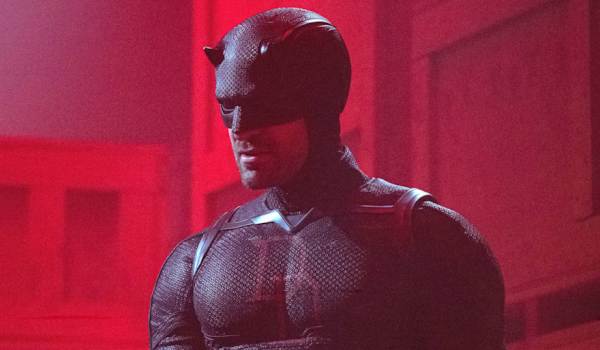
First Appearance: Marvel’s Daredevil
Summary: Radar sense and peak martial arts define a relentless vigilante.
The first Netflix hero on our list is Matt Murdock, aka Daredevil (Charlie Cox). He lost his sight as a child but gained heightened senses that function like living radar. This lets him track movement, heartbeats, and breathing patterns with startling precision in a fight. Combined with a lifetime of martial arts discipline, Daredevil dismantles entire rooms of armed attackers without hesitation. Moreover, his legal career sharpens a strategic mind that extends beyond the battlefield into long-game planning. However, he has no superhuman strength or durability, and sustained damage visibly wears him down over a fight. Daredevil’s danger comes from precision and grit rather than power output. ” “
34. Rocket Raccoon
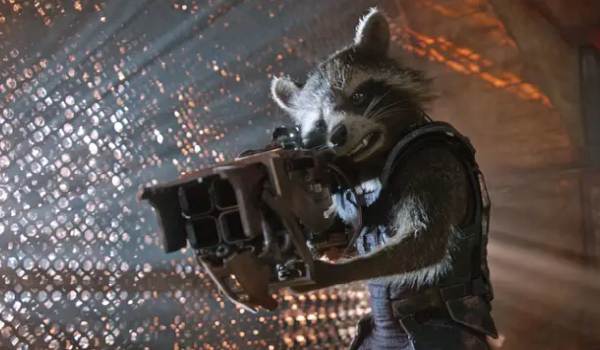
First Appearance: Guardians of the Galaxy
Summary: Genius engineering paired with ruthless small-scale combat instincts.
Rocket Raccoon (Bradley Cooper). Rocket’s power isn’t physical. It’s intellectual. His genetically and technologically altered mind makes him one of the galaxy’s sharpest weapons engineers, capable of building devastating gadgets from scrap in minutes. In combat, his small size and speed let him outmaneuver much larger opponents while wielding oversized firearms. Furthermore, in Vol. 3, his backstory reveals a resilience forged by trauma that fuels his fierce loyalty to the Guardians. That said, he lacks personal durability and relies heavily on tech and teamwork rather than raw ability. Rocket’s value lies in ingenuity, not brute force. ” “
33. Groot
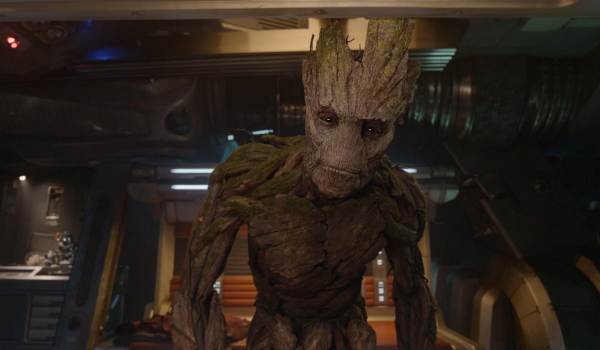
First Appearance: Guardians of the Galaxy
Summary: Regenerating plant physiology offers durability and shapeshifting utility.
Groot’s (Vin Diesel) sentient-tree physiology gives him regenerative durability few superheroes can match, allowing him to reform from splinters after near-total destruction. His limbs extend and reshape into weapons, shields, or bridges depending on the situation, giving him unmatched battlefield utility. In Vol. 3, he demonstrates significant strength gains, overpowering armed guards with ease. However, he lacks large-scale energy projection or cosmic-tier destructive output. Groot’s regeneration makes him difficult to permanently defeat, even if his raw power stays moderate. His adaptability and loyalty make him more valuable than his ranking alone suggests. ” “
32. Nebula
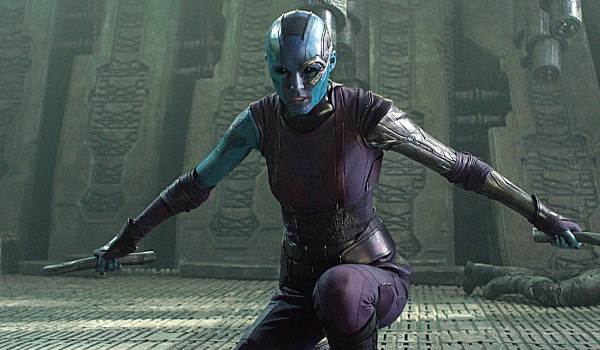
First Appearance: Guardians of the Galaxy
Summary: Cybernetic enhancements grant brutal, weaponized combat efficiency.
Nebula (Karen Gillan) survived Thanos’ torturous “training” by having much of her body replaced with cybernetic implants. As a result, she possesses enhanced strength, rapid self-repair, and built-in weaponry unavailable to organic combatants. During the Battle of Earth, she withstands brutal punishment while fighting her own past self without breaking focus. Furthermore, her technical knowledge of Thanos’ operations makes her a strategic asset beyond pure combat. Even so, her power output stays well below that of cosmic or magic-based superheroes. Nebula’s blend of cybernetic durability and vengeful precision earns her a solid mid-tier ranking. ” “
31. Ant-Man / Scott Lang
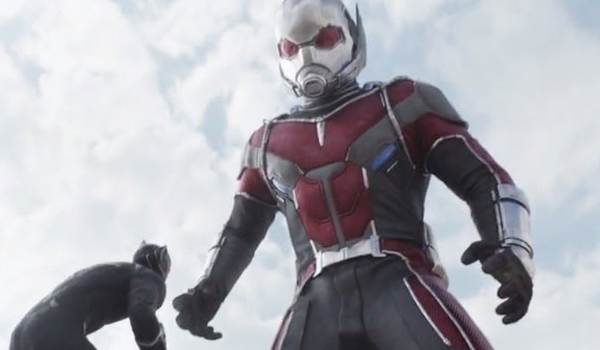
First Appearance: Ant-Man
Summary: Size shifting creates unpredictable strength advantages.
Another small-scale with a big power upgrade is Ant-Man / Scott Lang (Paul Rudd). His MCU strength comes from size manipulation. When small, he retains full adult strength concentrated into a tiny mass, delivering devastating punches. Alternatively, when giant-sized, he becomes a massive battlefield weapon capable of crushing vehicles and structures. In fact, in Endgame, Giant-Man plays a crucial role during the final battle. However, the extended giant form strains his stamina. Scott Lang’s unpredictability and quantum access add versatility, but his raw power remains situational compared to higher-tier heroes.
30. Mantis

First Appearance: Guardians Of The Galaxy Vol. 2
Summary: Empathic touch can incapacitate opponents without a single blow.
Mantis (Pom Klementieff). Mantis’ power operates on a level most superheroes can’t counter directly. By touching another being, she reads and manipulates their emotions, capable of putting even Star-Lord into an instant, harmless sleep. This makes her devastating against opponents who rely on aggression or focus, since she can neutralize a threat without physical confrontation. In Vol. 3, she reveals a previously hidden strength surge tied to her Celestial heritage. Nevertheless, her power requires physical contact, leaving her vulnerable at range. Mantis ranks as a quiet wildcard: low in brute force, high in disruptive potential.
29. America Chavez
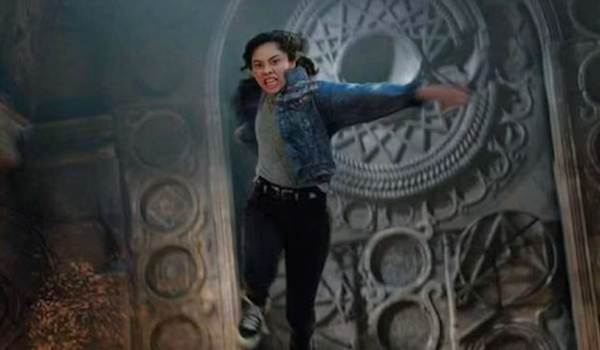
First Appearance: Doctor Strange in the Multiverse of Madness
Summary: Star-shaped portals enable unmatched multiversal mobility and power.
America Chavez (Xochitl Gomez) punches literal holes between universes, a power so rare that Wanda Maximoff tries to steal it for herself. Her star-shaped portals let her escape any confrontation instantly and travel to virtually any reality, a strategic advantage no other Avenger on this list possesses. Additionally, she demonstrates above-average strength and durability for a teenager without formal training. However, her power remains inconsistent and largely unrefined on screen, and she has no offensive output beyond her portals. America’s ceiling is enormous, but her current MCU feats keep her in the mid-tier for now.
28. Valkyrie
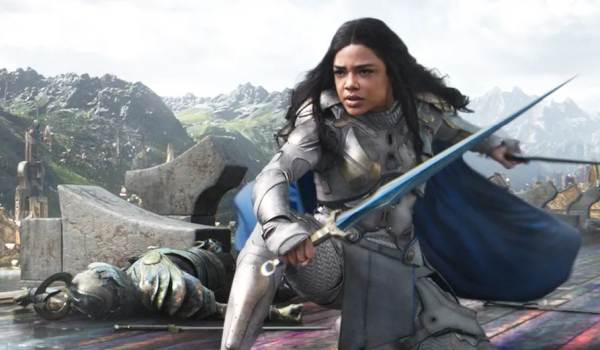
First Appearance: Thor: Ragnarok
Summary: Asgardian warrior’s skill honed against Hela’s undead army.
Valkyrie (Tessa Thompson) survived the near-total extermination of her warrior sisterhood by Hela, a trauma that forged one of Asgard’s most lethal remaining fighters. Her enhanced Asgardian strength, durability, and swordsmanship let her go blade-to-blade with undead legions and hold her own against gods. As King of New Asgard, she also commands battlefield strategy on a national scale. Furthermore, her aerial combat on Pegasus-like steeds adds mobility few grounded fighters can match. That said, she lacks the raw energy output of Thor or Hela herself. Valkyrie’s blend of trauma-forged skill and Asgardian physiology places her solidly in the upper-middle tier.
27. Namor
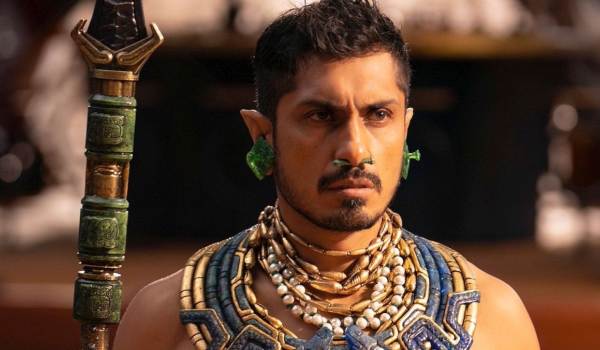
First Appearance: Black Panther: Wakanda Forever
Summary: Winged Atlantean ruler with flight, super strength, and ocean mastery.
Namor (Tenoch Huerta Mejía) rules an entire underwater empire, and his physiology reflects that scale of power. Small wings grant him sustained flight, while his Talokanil biology gives him superhuman strength that overpowers Wakandan vibranium tech directly in combat. Additionally, he loses his strength advantage on land after prolonged exposure to air, a rare and specific weakness for a hero this powerful. His command of ocean currents and Talokanil forces also gives him war-scale strategic reach beyond his personal combat ability. Namor’s near-godlike physical power keeps him near the top of Earth-based, non-magical superheroes.
26. Captain America / Steve Rogers
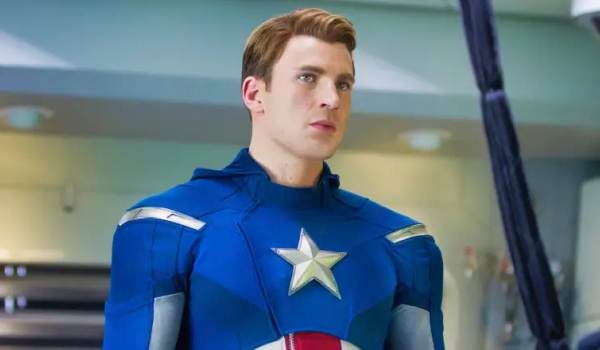
First Appearance: Captain America: The First Avenger
Summary: Peak super-soldier strength and tactical leadership.
Captain America / Steve Rogers (Chris Evans) represents peak super-soldier capability in the MCU. His strength allows him to hold back Thanos briefly and withstand immense physical punishment. In addition, Steve Rogers’ combat skills are elite, blending tactical awareness with unmatched determination. In Endgame, wielding Mjolnir elevates him significantly, granting him lightning attacks and enhanced power. Even without it, Cap competes against enhanced enemies like the Winter Soldier. While not god-level, his leadership and shield mastery keep him in the upper half of the Marvel Cinematic Universe rankings. ” “
25. Sylvie
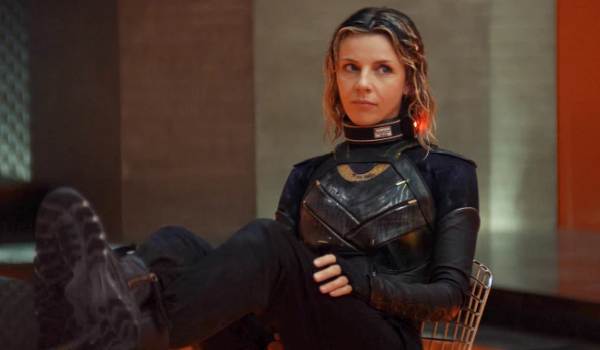
First Appearance: Marvel Studios’ Loki
Summary: Nova Force grants flight, strength, and cosmic-level energy blasts.
While Sam Alexander never made it to the MCU, Sylvie (Sophia Di Martino) proved just as dangerous in his place. As a Loki variant hardened by a lifetime spent hunted by the TVA, she wields the same reality-adjacent enchantment abilities as her male counterpart, plus a lethal edge forged through survival. Notably, she single-handedly ends He Who Remains, a being who had quietly ruled the entire multiverse’s timeline for eons. Furthermore, her mind-control enchantment lets her subdue enhanced opponents without ever throwing a punch. That said, her power still leans tactical and manipulative rather than overwhelming in a straight physical fight. Sylvie’s willingness to make the hardest possible call places her firmly among the MCU’s most consequential heroes. ” “
24. Ironheart / Riri Williams
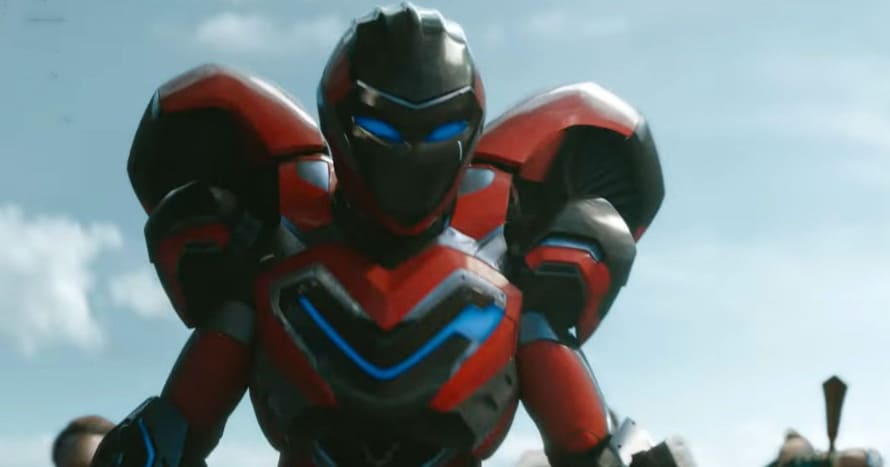
First Appearance: Black Panther: Wakanda Forever
Summary: Self-built armor rivals Stark-level tech with rapid adaptability.
Riri Williams (Dominique Thorne) built a fully functional Iron Man-style suit as an MIT student, a feat that immediately puts her in Tony Stark’s technical class. Her armor grants flight, energy blasters, and durability comparable to early Stark suits, and she continues iterating on it faster than most engineers could manage. In her Disney+ series, mystical interference forces her to adapt her tech to counter magic-based threats, proving unusual versatility for an armored hero. However, her combat experience remains far shorter than Tony’s, and her suit hasn’t faced Thanos-level opposition yet. Ironheart’s genius-level ceiling keeps her rising fast in these rankings. ” “
23. She-Hulk / Jennifer Walters
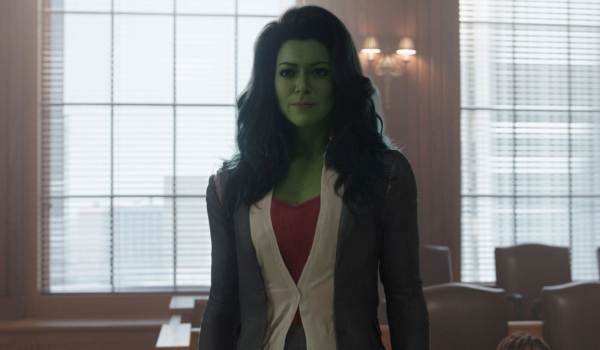
First Appearance: She-Hulk: Attorney at Law
Summary: Hulk-level power balanced by emotional control.
She-Hulk’s MCU appearance shows strength comparable to Hulk’s but with emotional control. Jennifer Walters (Tatiana Maslany) effortlessly throws massive objects and matches Bruce in physical contests. Beyond that, she demonstrates durability against high-impact force without losing composure. While her feats are more grounded than those of cosmic-tier superheroes, she possesses top-level brute strength among Earth-based heroes. Notably, her balance of intelligence and power gives her combat stability that Hulk sometimes lacks. Though not tested against Thanos-level threats, her raw physical capabilities place her firmly in the strong-tier category. ” “
22. Shang-Chi
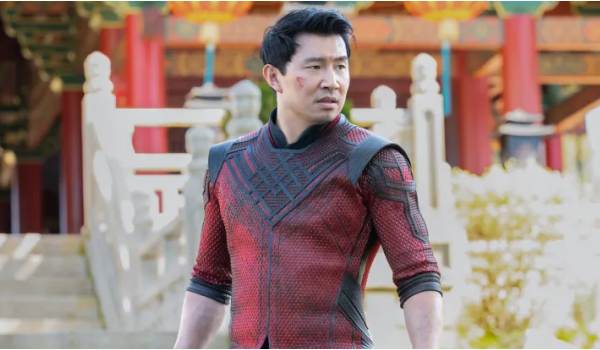
First Appearance: Shang-Chi and the Legend of the Ten Rings
Summary: Ten Rings grant immense energy-based combat power.
Shang-Chi (Simu Liu). Shang-Chi’s power dramatically increases once he wields the Ten Rings. In his solo film, he channels massive energy blasts, enhanced strength, and aerial mobility. Furthermore, the Rings allow ranged attacks capable of destroying mystical creatures. Without them, Shang-Chi is still one of the MCU’s most skilled martial artists; however, with them, he becomes a high-tier energy combatant. His power output isn’t cosmic like Thor’s, but the Rings clearly elevate him into a much stronger classification of the most powerful Marvel superheroes.
21. The Ancient One
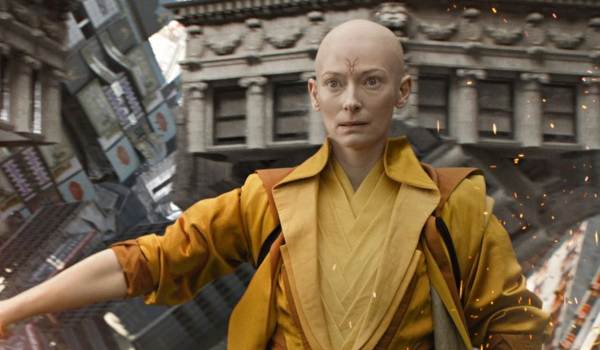
First Appearance: Doctor Strange
Summary: Moillenia of mystic mastery, sustained by borrowed Dark Dimension energy.
Next in our top 25 list is The Ancient One (Tilda Swinton). She’s trained every Sorcerer Supreme who has come after her, and her power reflects centuries of unmatched study. She manipulates time and bends the Mirror Dimension to her will. Let’s not forget that she has extended her own life for thousands of years. In her final battle against Kaecilius, she fights fast enough to make a determined Doctor Strange look like a novice. Additionally, her precognitive glimpses into [possible futures give her a strategic edge that most fighters can’t plan around. As the architect of Earth’s mystical defenses, the Ancient One’s raw experience keeps her firmly in the upper tier.
20. Wong
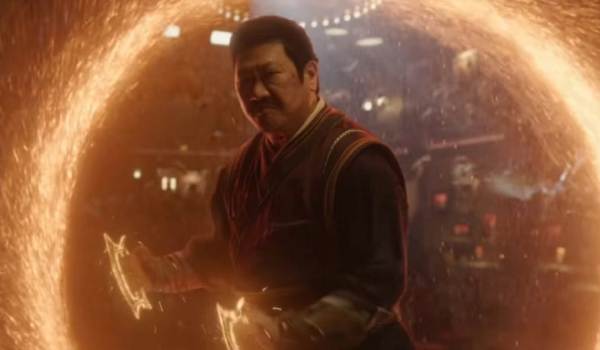
First Appearance: Doctor Strange
Summary: Sorcerer Supreme-level mastery of the ancient arts.
Wong (Benedict Wong) eventually rises to Sorcerer Supreme, a title that reflects genuine mastery over dimensional portals, shielding, and offensive spellcasting. He fights Thanos’ forces directly during the Battle of Earth and later helps contain America Chavez’s uncontrolled powers in the multiverse crisis. Additionally, his encyclopedic knowledge of ancient and forbidden magic makes him a crucial strategist against mystical threats no physical fighter could counter. While he lacks Doctor Strange’s improvisational flair in combat, his discipline and raw magical knowledge run deeper. Wong’s steady, formidable command of magic makes him one of the most powerful heroes in the Marvel Cinematic Universe.
19. Black Panther / T’Challa
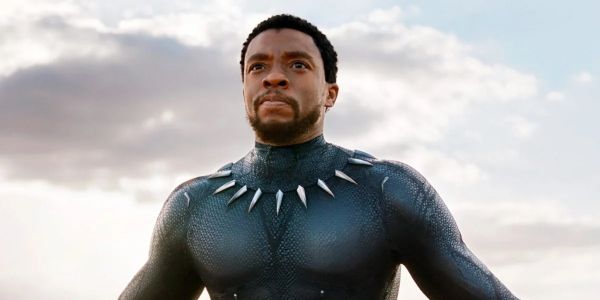
First Appearance: Captain America: Civil War
Summary: Vibranium suit absorbs and redirects kinetic energy.
Number nineteen on our list is Black Panther / T’Challa (Chadwick Boseman). What sets Black Panther apart in the MCU is the rare combination of the Heart-Shaped Herb’s biological enhancements and the near-indestructible power of vibranium technology. His suit absorbs kinetic energy and redistributes it in explosive bursts. For example, he demonstrates enhanced speed, agility, and strength beyond peak human levels. Though not on Thor’s or Captain Marvel’s scale, his suit makes him highly durable and tactically dangerous. Combined with vibranium claws and defensive shielding, he remains one of the most efficient battlefield combatants.
18. Loki
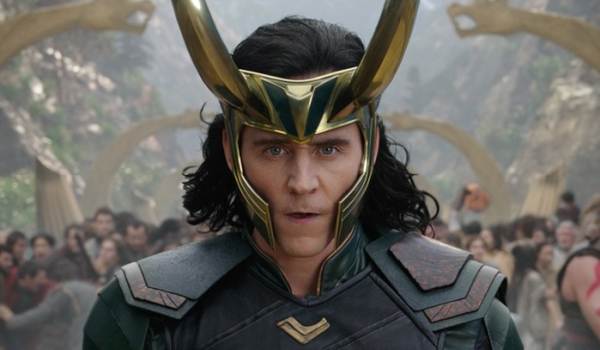
First Appearance: Thor
Summary: Asgardian sorcery and illusion make him deceptively lethal.
Our first hero-turned-villain in the list is Loki (Tom Hiddleston). The god of mischief has always been underestimated as a trickster first and a fighter second, but his Asgardian physiology grants real combat strength alongside his illusion magic. He conjures duplicates, teleports, and manipulates minds, making him nearly impossible to pin down in a straight fight. By the end of his Disney+ series, he also gains a form of temporal awareness that lets him perceive and manage the branching multiverse itself. However, his raw physical power still falls short of Thor’s, and his magic favors deception over destruction. Loki’s unpredictability and cosmic responsibility push him into the MCU’s upper ranks.
17. Human Torch / Johnny Storm
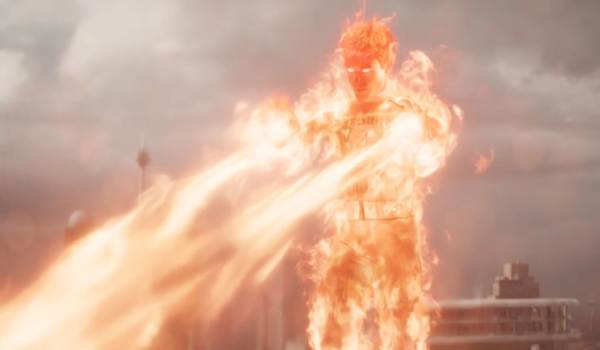
First Appearance: The Fantastic Four: First Steps
Summary: Full-body flame conversion enables flight and sustained fire attacks.
Human Torch / Johnny Storm (Joseph Quinn). Johnny Storm’s cosmic-ray mutation lets him convert his entire body into living flame at will, a transformation that grants flight, intense heat generation, and near-total immunity to fire-based attacks. In combat, he overwhelms enemies with sustained aerial bombardment while staying mobile enough to avoid most counterattacks. Additionally, his “flame on” threshold appears to have real upper limits tied to stamina, unlike purely cosmic energy wielders. While his heat output is formidable, he lacks the reality-altering versatility of magic users above him on this list. Johnny’s raw destructive potential nonetheless makes him one of the MCU’s most dangerous new arrivals.
16. Spider-Man / Peter Parker
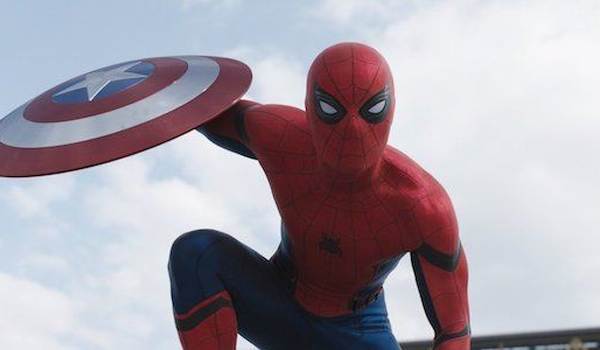
First Appearance: Captain America: Civil War
Summary: Super strength paired with precognitive spider-sense.
Spider-Man’s MCU portrayal reveals surprising strength and durability for such a young hero. Peter Parker (Tom Holland) stops a speeding car effortlessly and briefly restrains Thanos with assistance. Besides physical power, his spider-sense gives him near-precognitive reflexes. The Iron Spider suit enhances his durability and provides mechanical arms for added combat power. While inexperienced compared to veterans, Peter’s raw physical strength exceeds Captain America’s. Ultimately, his agility and instinctive combat awareness make him one of the most deceptively powerful heroes on screen.
15. Thing / Ben Grimm
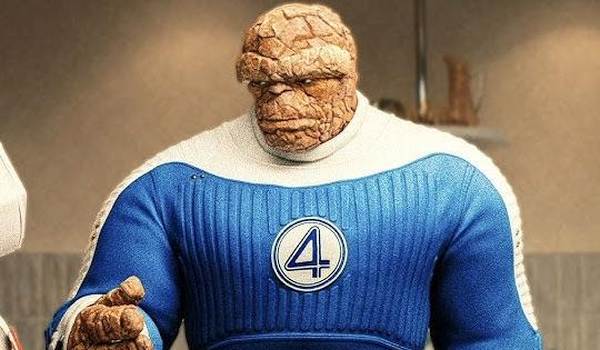
First Appearance: The Fantastic Four: First Steps
Summary: Rock-hard physiology delivers immense strength and near-total durability.
Setting the bar for everyone who follows is The Thing / Ben Grimm (Ebon Moss-Bachrach). Grimm’s transformation left him with an organic rock-like hide capable of shrugging off attacks that would kill an unprotected human instantly. His strength lets him lift and hurl objects on the scale of vehicles and small structures, and his durability holds up under sustained assault from advanced Kree or Herald-level weaponry. Furthermore, his hand-to-hand technique, honed as a former test pilot and football player, adds discipline to his raw power. That said, he has no energy projection or flight, keeping his combat style purely physical. Thing’s brute durability puts him ahead of most Earth-based strength-based superheroes.
14. Iron Man / Tony Stark

First Appearance: Iron Man
Summary: Nanotech armor delivers adaptable high-output firepower.
Yet another powerful superhero without superpowers is Iron Man / Tony Stark (Robert Downey Jr). His strength in the MCU lies in advanced technology and constant adaptation. By Infinity War and Endgame, Tony’s nanotech armor allows instant weapon creation, flight, and heavy artillery deployment. Furthermore, he withstands direct combat with Thanos longer than most heroes. While not naturally superpowered, Stark’s intellect elevates him into top-tier status. Consequently, Tony proves powerful enough to wield the Infinity Stones, a final feat that cements his legacy as the strongest Avenger candidate.
13. Invisible Woman / Sue Storm
First Appearance: The Fantastic Four: First Steps
Summary: Force fields provide near-limitless defensive and offensive versatility.
Invisible Woman / Sue Storm (Vanessa Kirby). Sue Storm’s powers are frequently underestimated, yet her invisible force fields are among the most versatile abilities in the entire MCU. She can shield an entire city block, crush enemies with concentrated psionic force, or create precise offensive constructs mid-battle. Notably, her control extends to invisible objects and even organic matter under pressure, letting her disarm or restrain enemies without direct contact. As the Fantastic Four’s tactical backbone, she also demonstrates the sharpest strategic mind of the group. While she lacks a raw strength stat, her field manipulation scales up dangerously fast against powerful attackers, placing her near the top of Earth’s defenders.
12. Mr. Fantastic / Reed Richards
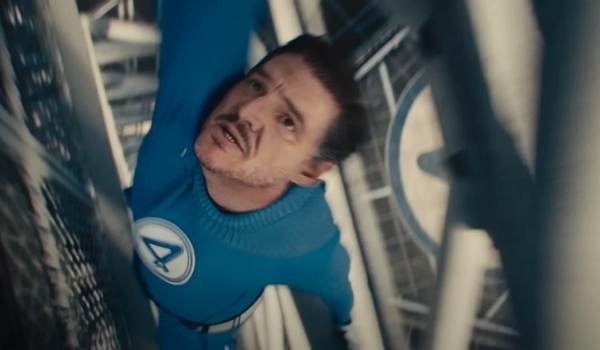
First Appearance: The Fantastic Four: First Steps
Summary: Elastic physiology paired with a genius-level scientific mind. Mr. Fantastic / Reed Richards (Pedro Pascal). Reed Richards’ elasticity lets him stretch, compress, and reshape his body to absorb impacts that would incapacitate a normal fighter instantly. Beyond the physical gimmick, he’s one of the smartest minds in the MCU, engineering countermeasures against cosmic-scale threats like Galactus on short notice. Furthermore, his ability to reconfigure his own molecular structure has allowed him to survive attacks that would kill unprotected humans. His combat style leans on outthinking opponents rather than overpowering them directly. Reed’s combination of near-unkillable flexibility and unmatched intellect earns him a spot among the MCU’s most valuable strategic assets. – ” “
11. Vision
First Appearance: Avengers: Age of Ultron
Summary: Density-shifting synthezoid wielding a powerful Mind Stone. Vision’s MCU power comes from the Mind Stone and his synthetic vibranium body. He can phase through solid matter, making him nearly untouchable in combat. Additionally, his density manipulation allows him to become intangible or massively heavy at will. Vision (Paul Bettany) fires powerful energy beams capable of slicing through enemies with precision. In Age of Ultron, he proves worthy of lifting Mjolnir, signaling elite status. Although injured in Infinity War, his versatility and durability make him one of the most balanced heroes on screen.
Now Vision returns as a colorless synthezoid searching for his humanity in his own Disney+ series. Before you start, check out our guide on what to watch before VisionQuest.
10. Ikaris
First Appearance: Eternals
Summary: Alien Korbinite deemed worthy of wielding his own enchanted hammer. Ikaris (Richard Madden) was built by the Celestials to be a weapon first and a person second, and it shows in every fight scene. His cosmic energy blasts level buildings, his flight lets him break the sound barrier effortlessly, and his durability shrugs off attacks from Deviants that maim other Eternals outright. Furthermore, his solar-powered physiology means his output barely dips across an entire battle, unlike heroes who visibly tire. In the source material, this level of raw output has put him in direct confrontations with beings on Thor’s tier. Even accounting for his tragic arc, Ikaris’s unfiltered destructive capability keeps him firmly in the MCU’s uppermost bracket.
9. Doctor Strange / Dr. Stephen Strange
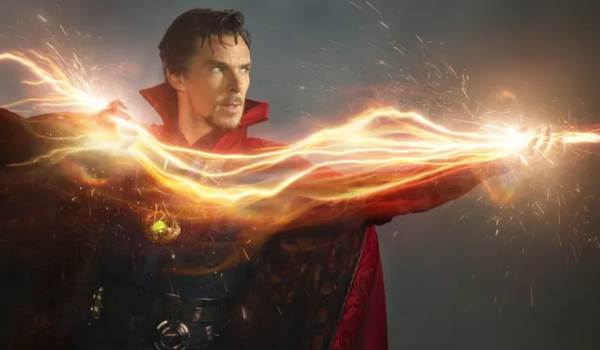
First Appearance: Doctor Strange
Summary: Mystic mastery controls time, space, and dimensions. Doctor Strange’s MCU power centers on mystical versatility. Dr. Stephen Strange (Benedict Cumberbatch) creates portals, shields, and time loops, notably trapping Dormammu. Similarly, in Infinity War, he battles Thanos using complex spell combinations. Despite lacking the raw physical durability of Thor or Hulk, his magical creativity makes him extremely dangerous. Moreover, he can restrain opponents, alter terrain, and access other dimensions. On screen, Strange’s power lies in tactical control of the battlefield rather than sheer destructive force.
8. Hulk / Bruce Banner
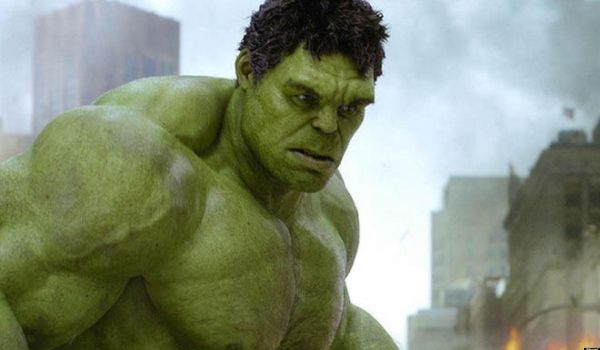
First Appearance: The Incredible Hulk
Summary: Rage-fueled strength increases without a clear upper limit. Hulk / Bruce Banner (Mark Ruffalo). Hulk’s MCU strength is built around raw physical dominance. In the first Avengers film, he overwhelms Loki effortlessly and easily smashes alien leviathans. In contrast, his loss to Thanos in Infinity War shows limitations against elite opponents. Even so, Hulk remains one of the strongest purely physical Avengers. In fact, in Endgame, he survives using the Infinity Gauntlet — a feat that proves immense resilience. Though lacking versatility, his brute strength keeps him firmly in the upper tier.
7. G’iah
First Appearance: Marvel Studios’ Secret Invasion
Summary: DNA-enhanced hybrid; potentially rivals Thor & Carol
By the end of Secret Invasion, G’iah (Emilia Clarke) becomes one of the most overpowered figures in the MCU. After absorbing “The Harvest,” she gains DNA from multiple enhanced beings, including Captain Marvel, Thor, Hulk, and others. On screen, she demonstrates flight, extreme durability, energy projection, super strength, limb morphing, and rapid healing. She defeats Gravik, who possesses the same stacked abilities, proving superior control and combat effectiveness. While she lacks large-scale battlefield feats like Thor in Wakanda, her combined powerset theoretically rivals the MCU’s strongest heroes, placing her firmly in top-tier territory.
6. Adam Warlock
First Appearance: Guardians Of The Galaxy Vol. 2
Summary: Cocoon-born artificial being with near-godlike physical output.
Sixth on our list of the most powerful MCU heroes is Adam Warlock (Will Poulter). He was engineered by the Sovereign to be a perfect weapon, and his debut backs up the hype. He casually shrugs off attacks that stagger seasoned Guardians and moves at speeds that make him nearly impossible to track in close combat. His golden, artificially perfected body was specifically designed to maximize physical output beyond natural biological limits. In the source material, this character eventually wields the Soul Stone and reality-altering power on a cosmic scale, hinting at a far higher ceiling than shown so far. Even in his rough MCU debut, Adam Warlock’s raw destructive potential lands him near the top of this list.
5. Captain Marvel / Carol Danvers

First Appearance: Captain Marvel
Summary: Cosmic energy powerhouse with near-limitless durability.
Captain Marvel’s MCU feats show overwhelming cosmic-level strength. She flies through Thanos’s warship in Endgame without injury and dominates him physically in direct combat. In addition, her energy absorption makes her resistant to power-based attacks. Carol Danvers (Brie Larson) operates at an interstellar scale, suggesting durability far beyond Earth-bound Avengers. While her screen time is limited, her raw impact in battle is immense. Based solely on movie appearances, she ranks among the most physically dominant heroes.
4. Silver Surfer
First Appearance: The Fantastic Four: First Steps
Summary: Herald of Galactus wielding the Power Cosmic itself.
Moving down the list is Silver Surfer (Julia Garner). As Herald of Galactus, the Silver Surfer channels the Power Cosmic, a force capable of leveling cities and redirecting planetary-scale energy with a gesture. Her board-riding mobility lets her cross vast distances instantly, while her cosmic awareness gives her tactical foresight most superheroes simply can’t match. In her confrontation with Earth’s defenders, she demonstrates strength and durability that force the Fantastic Four to fight as a coordinated unit just to slow her down. Additionally, her connection to Galactus hints at power reserves far beyond what’s shown on screen. Few characters on this list operate on a scale this close to a world-devourer’s herald.
3. Scarlet Witch / Wanda Maximoff
First Appearance: Avengers: Age of Ultron
Summary: Reality-warping chaos magic overwhelms nearly all opponents.
Scarlet Witch / Wanda Maximoff (Elizabeth Olsen) evolves into the most powerful Avenger through her mastery of chaos magic. By Endgame, she nearly defeats Thanos single-handedly; subsequently, in Multiverse of Madness, she overpowers the Illuminati and manipulates reality across universes. Her abilities include telekinesis, energy projection, and mind control. Unlike physically dominant heroes, Wanda bypasses durability by crushing opponents instantly. Because her emotional instability amplifies her power, she remains unpredictable and nearly unstoppable. – ” “
2. Sentry / Robert Reynolds
First Appearance: Thunderbolts*
Summary: A thousand exploding suns of power, tethered to a destructive shadow-self.
Robert Reynolds (Lewis Pullman) was engineered with a serum meant to make him virtually unbeatable, and the results border on cosmic-tier absurdity. As the Sentry, he tears through a fully assembled team of enhanced operatives with almost no visible effort and shrugs off attacks that would end most superheroes instantly. However, his power comes bonded to the Void, a destructive alter-ego capable of erasing matter and unraveling entire city blocks in seconds. This duality makes him simultaneously one of the MCU’s most powerful heroes and one of its greatest threats. Only a small handful of characters in the franchise’s history operate on a scale that rivals his directly.
1. Thor Odinson
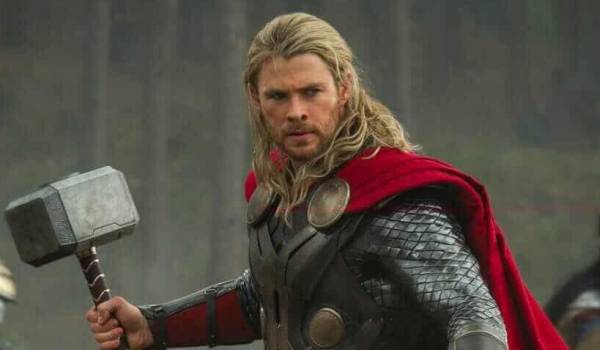
First Appearance: Thor Summary: Godly strength and lightning devastate entire battlefields. Finally, we have Thor Odinson (Chris Hemsworth). His MCU power is defined by divine durability and overwhelming lightning output. In Infinity War, he survives the force of a neutron star to forge Stormbreaker. Following this, he arrives in Wakanda and single-handedly turns the tide of battle. Thor withstands blows from Thanos and channels massive lightning storms. Unlike most Avengers, Thor bridges the gap between physical brawler and cosmic force, combining godlike resilience with devastating lightning output. When his centuries of combat experience are paired with the power of Stormbreaker, he remains the gold standard for heroism, consistently anchoring the absolute top of the Marvel Cinematic Universe power hierarchy.
The MCU has spent over fifteen years carefully calibrating its power hierarchy — and fans have spent just as long arguing about it. From the moment Thor arrived on Earth, wielding Mjolnir to Wanda rewriting entire realities with a gesture, the question of who’s actually the strongest has never had a clean answer.
That ambiguity is part of what makes these debates so enduring. Below, we’ve answered the five questions that come up most in fan discussions, forums, and comment sections whenever MCU power levels come up.
Your Biggest MCU Power Questions, Answered
- Who would win in a fight — Thor or Scarlet Witch?
This is the most debated MCU matchup. Thor is the gold standard of raw physical power — godlike strength, near-total durability, and Stormbreaker, the only weapon to drop a fully gauntleted Thanos. He is relentless, fast, and near-impossible to put down.
Wanda, however, doesn’t play by physical rules. Her Chaos Magic operates on a different layer — she can rewrite reality, suppress another being’s powers, or dismantle matter at will. In Multiverse of Madness, she overpowered the Sorcerer Supreme without effort. Thor can’t punch his way out of a reality rewrite. A composed Wanda wins most scenarios — but her power is emotionally volatile, and a fast enough Thor could disrupt her concentration before she locks him down.
Edge: Scarlet Witch — but it isn’t clean.
- Could any MCU hero defeat Thanos one-on-one?
Without the Infinity Gauntlet, the list is longer than most expect. Thor with Stormbreaker came closest — he buried it in Thanos’s chest. Wanda was literally dismantling a gauntlet-free Thanos piece by piece in Endgame until he called an airstrike on himself to escape. Captain Marvel physically overpowered him until he used the Power Stone directly.
With all six Stones? That’s a different question entirely. A fully armed Thanos is effectively a god. Only Wanda operating at her absolute theoretical peak — rewriting reality faster than he can snap — has a realistic shot, and even that is speculative.
Gauntlet-free: Thor, Wanda, Captain Marvel. Fully armed: nobody, reliably.
- Is Captain Marvel really the strongest Avenger?
She was built to be. Nick Fury held onto that pager for decades as a last resort above every other option — a significant signal. In Binary form, Carol Danvers can destroy warships barehanded, absorb enormous energy and redirect it, and survive in deep space unassisted.
The nuance is in the phrasing. Thor, who holds the canonical “strongest Avenger” title, is her closest rival. And neither is Wanda, who isn’t really an Avenger in the traditional sense. So yes — Captain Marvel is the strongest official, active Avenger by most measures. Whether she’s the strongest MCU hero overall is a different, more contested question.
Strongest Avenger: Yes. Strongest MCU hero overall: Contested.
- Why didn’t the most powerful heroes solve every problem themselves?
This is the great narrative tension of the MCU, and the answer works both in-universe and out. In-universe: power without the right information is useless. Wanda didn’t know about the Infinity Stones until nearly too late. Thor was exiled. Captain Marvel was in deep space. Dr. Strange saw only one winning timeline out of millions — and it required specific, non-obvious steps that couldn’t be shortcut. Raw power doesn’t fix a problem you don’t fully understand yet.
Out of universe: a story where the most powerful character solves everything in act one isn’t much of a story. The MCU deliberately scatters its heavy hitters, gives them personal crises, or introduces threats calibrated specifically to exploit their weaknesses. It’s a feature of the storytelling, not a plot hole.
By design — narratively and canonically.
- How does magic compare to physical power in the MCU?
Magic in the MCU operates on a fundamentally different layer than physical strength. Where brute force interacts with the world as it is, magic can redefine what the world is. Doctor Strange can trap an opponent in a time loop, displace them across dimensions, or simply remove their weapon from existence. Wanda can rewrite matter or suppress another person’s abilities entirely.
This means magic frequently hard-counters physical power at the highest levels — but it’s not automatic. Magic users tend to be more mentally fragile, require concentration, and can be overwhelmed by a sufficiently fast or chaotic physical assault. It’s also worth noting that Thor’s lightning is itself sometimes classified as a magical force, blurring the lines considerably. The MCU’s general answer: magic wins at the ceiling. Physical power wins in the chaos.
Magic wins at the ceiling. Physical power wins in the chaos.
The Shifting Hierarchy: Who Reigns Supreme?
As the Marvel Cinematic Universe enters this high-stakes new era, power rankings have evolved far beyond the traditional Avengers roster. From the divine lightning of Thor to the reality-shattering chaos of the Scarlet Witch, the scale of strength is constantly shifting. We are now seeing a universe where mystical protectors like Doctor Strange and cosmic powerhouses like Captain Marvel share the stage with new, god-tier entities like the Sentry and the multiversal Loki. Whether fueled by advanced technology, ancient magic, or genetic evolution, each hero’s status is defined by their impact on the battlefield and the scale of the threats they overcome. As we move toward the inevitable collision of Avengers: Doomsday, one thing is certain: the hierarchy of Marvel’s most powerful heroes is far from fixed, and the next great shift is already underway.
Power rankings always ignite debate in the Marvel fandom. Do you agree with Thor at #1, or does Scarlet Witch deserve the crown? Drop your rankings in the comments and share this list with fellow Marvel fans to settle the strongest Avenger debate once and for all
Discover more from The Geek Twins
Subscribe to get the latest posts sent to your email.
