


What Is an Easter Egg in the MCU? And Why Marvel Easter Eggs Keep Fans Rewatching
An MCU easter egg is a small, deliberate detail planted for attentive viewers to find. Unlike a plot twist, these hidden Marvel references rarely get explained on screen at all. They can be a name on a file folder, a symbol on a wall, or a piece of music playing in the background. Some easter eggs pay off within the same film, while others set up MCU hidden details that don’t matter for another decade. Marvel Studios treats its comic book history as a shared language with longtime readers, using these details to reward familiarity rather than spell everything out. That’s exactly why Marvel fan theories thrive online, since fans piece together hidden MCU connections the films only hint at. It’s also why rewatches keep paying off. A prop that meant nothing on a first viewing can suddenly click once a later film provides context. This layered approach turns every MCU release into a puzzle worth revisiting, not just a story to watch once.Quick List: All 25 Easter Eggs
- The Roxxon Corporation
- The Living Tribunal Statue
- The Infinity Gauntlet Fakeout
- Howard the Duck
- Project P.E.G.A.S.U.S.
- Damage Control
- The 1966 Iron Man Theme Song
- A113 Animation Reference
- The Bagley Mural
- Rick Jones
- Union Jack
- Camp Echo One’s Comic Book Roots
- Jocasta
- Nick Fury’s Tombstone Quote
- Ghostface Killah’s Song (and Almost His Face)
- Donald Blake
- Rama-Tut
- The Original Human Torch (Jim Hammond)
- Captain America’s Shield
- The Ten Rings Symbol
- Stephen Strange Before Becoming Doctor Strange
- Beta Ray Bill
- The 1994 Fantastic Four Cast’s Secret Cameo
- Throg in a Jar
- Stan Lee’s Watchers Connection
1. The Roxxon Corporation
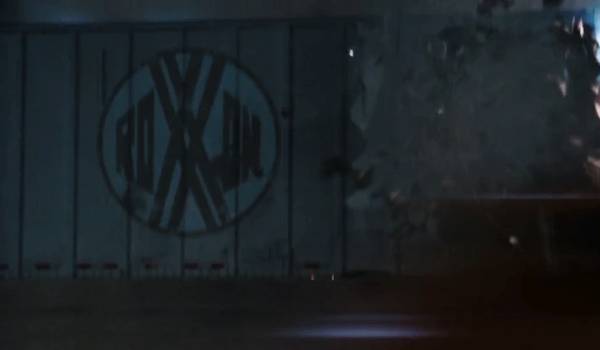
Appears in: Iron Man 2 (2010), Iron Man 3 (2013), Daredevil (2015)
Roxxon is one of the most evil companies in Marvel Comics. This shady energy company has appeared across the MCU since Iron Man 2 (2010), mirroring its long history as Marvel Comics’ go-to corporate villain. Roxxon has quietly popped up in background signage and dialogue across multiple phases, always tied to shady energy or weapons dealings. In the comics, the company has been linked to everything from oil drilling gone wrong to secret superhuman experiments. Its recurring MCU presence signals that Marvel Studios sees it as a long-term thread rather than a one-off joke.2. The Living Tribunal
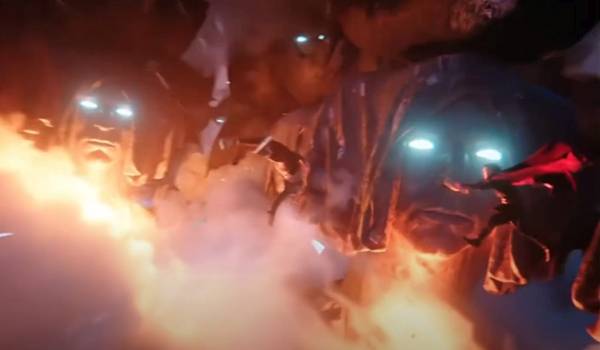
Appears in: Doctor Strange (2016)
The next easter egg is a huge one. The cosmic judge, the Living Tribunal, is first mentioned in Doctor Strange as an ancient relic. This teases a character with power over reality itself. A statue later appears in Doctor Strange in the Multiverse of Madness. In the comics, the Living Tribunal exists above even Death and the Elders of the Universe, acting as a cosmic balance-keeper. Its brief statue appearance suggests Marvel Studios wanted this hierarchy established visually long before any story needed to explain it. Fans have pointed to the statue as proof the multiverse’s rules were being seeded early.3. The Infinity Gauntlet Fakeout
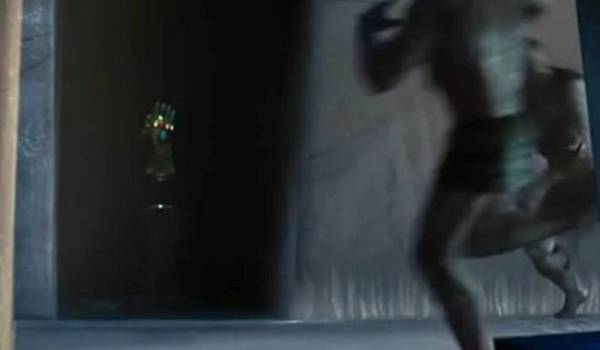
Appears in: Thor (2011)
Third is a blink-and-you-miss-it moment. In Thor, we see the Infinity Gauntlet in Odin’s vault. An early MCU film teases the Gauntlet years before Thanos ever wears the real one, misdirecting fans on purpose. The right-handed prop shown was later confirmed to be a decoy, part of Odin’s vault display rather than a functioning artifact. This fakeout let Marvel plant the concept of the Gauntlet in viewers’ minds without giving away Thanos’s endgame. It’s one of the earliest examples of the franchise playing a long con with its own mythology.4. Howard the Duck
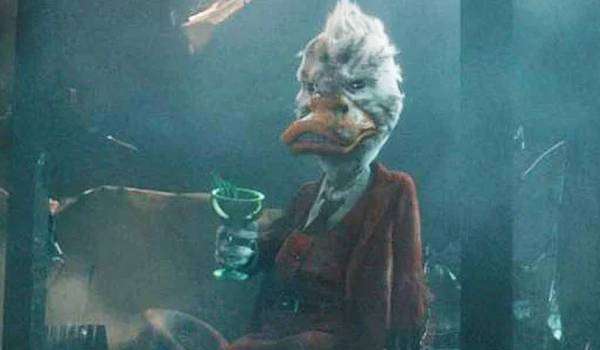
Appears in: Guardians of the Galaxy (2014), Guardians of the Galaxy Vol. 2 (2017)
Our fourth Easter egg is the strangest MCU cameo in the MCU. So, of course, it’s from James Gunn. It has surprisingly deep comic roots, dating back to a cult-favorite 1970s series. Howard originally appeared in Marvel’s Man-Thing comics before spinning off into his own bizarre, satirical run. His early live-action appearances treat him as a background joke, but longtime readers know he’s had genuine crossovers with Earth’s mightiest heroes. He later stars in his own episode of Marvel’s animated What If? But his presence hints that Marvel Studios isn’t afraid to use even its weirdest comic history.5. Project P.E.G.A.S.U.S.
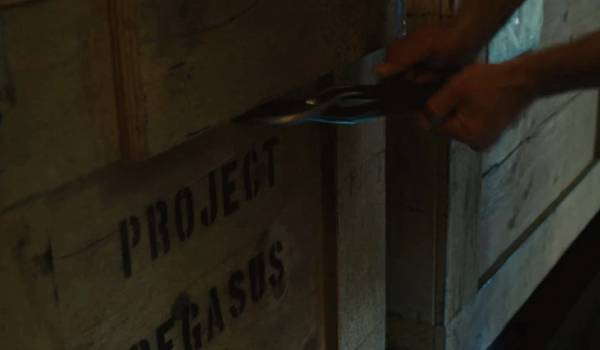
Appears in: The Incredible Hulk (2008), Iron Man 2 (2010), Thor (2011), Ant-Man (2015)
This fifth easter egg is a secret government program that traces back to classic Marvel comics. The researchers first studied extradimensional energy sources like the Tesseract. In the source material, P.E.G.A.S.U.S. investigates alien technology recovered after various incursions, much like its MCU counterpart. The program’s acronym and mission were kept almost entirely intact for the films. Its recurring appearances tie together multiple MCU storylines involving cosmic-level threats.6. Damage Control
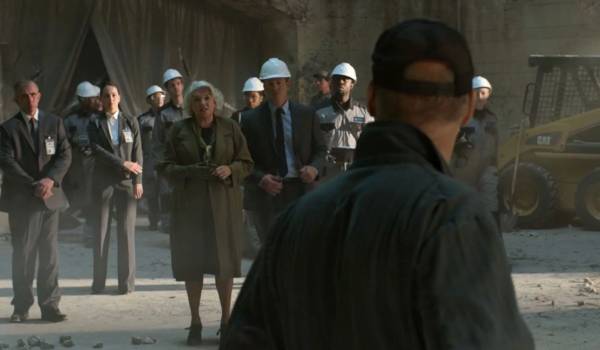
Appears in: Spider-Man: Homecoming (2017), Agents of S.H.I.E.L.D. (mentioned)
This government cleanup agency has its own history in the comics, where it ran a dedicated short-lived title focused on post-battle disaster recovery. It was actually one of my favorite comics when I was a kid. In the MCU, Damage Control is formally introduced as a Tony Stark-backed initiative that takes over the cleanup from superhero wreckage. Its arrival directly puts Adrian Toomes out of business, setting him on the path to becoming the Vulture. The agency had already been referenced once before on Agents of S.H.I.E.L.D., confirming Marvel Studios planted the concept years ahead of its full payoff.7. The 1966 Iron Man Theme Song
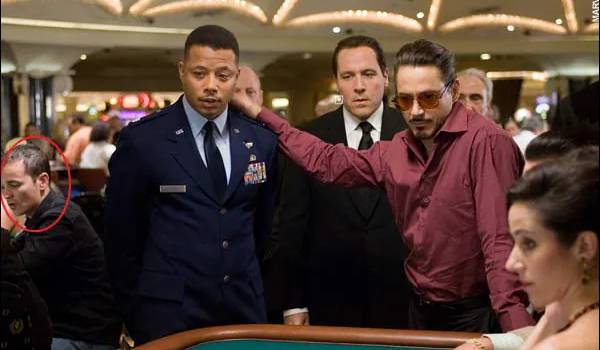
Appears in: Iron Man (2008)
The retro cartoon’s theme plays as a needle-drop, a treat for fans who grew up on Marvel’s earliest animated series. The 1966 Marvel Super Heroes show was many viewers’ first exposure to these characters, decades before the MCU existed. Using its theme song ties the modern franchise directly back to its animated roots. It’s a small musical cue, but one aimed squarely at longtime Marvel historians.8. A113 Animation Reference
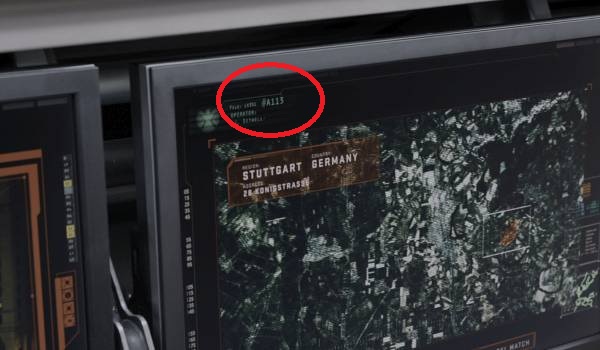
Appears in: The Avengers (2012)
The famous Pixar in-joke code appears on a license plate, continuing a decades-long animation tradition Marvel Studios inherited through Disney. A113 refers to a classroom number at CalArts, where many Pixar and Disney animators trained. Its appearance in a Marvel property shows how deeply Disney’s animation culture bleeds into its live-action productions. Eagle-eyed fans have tracked A113 across dozens of Disney-owned films over the years.9. The Bagley Mural
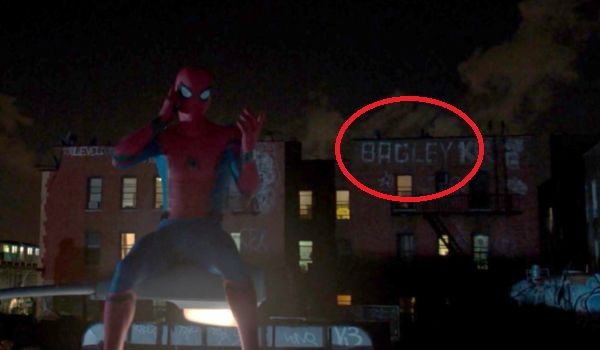
Appears in: Spider-Man: Homecoming (2017)
A hallway mural pays quiet tribute to legendary Marvel artist Mark Bagley, a nod aimed squarely at longtime comic readers. Bagley is known for definitive runs on titles like Amazing Spider-Man and Ultimate Spider-Man, shaping how a generation of fans pictured these characters. The mural doesn’t call attention to itself, blending into the background production design. It’s the kind of detail only a die-hard comic reader would clock on a first watch.10. Rick Jones
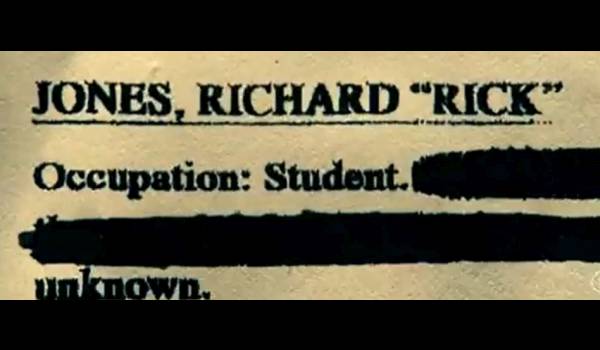
Appears in: The Incredible Hulk (2008)
Marvel’s ultimate comic sidekick appears briefly in crowd scenes, a deep pull for readers who know his ties to the Hulk and Captain Marvel. In the comics, Jones has been present at nearly every major gamma-related origin story, including Bruce Banner’s original transformation. His brief, unnamed MCU appearances suggest Marvel Studios is holding him in reserve for a larger role. For now, he remains one of the deepest of the film franchise’s easter eggs.11. Union Jack
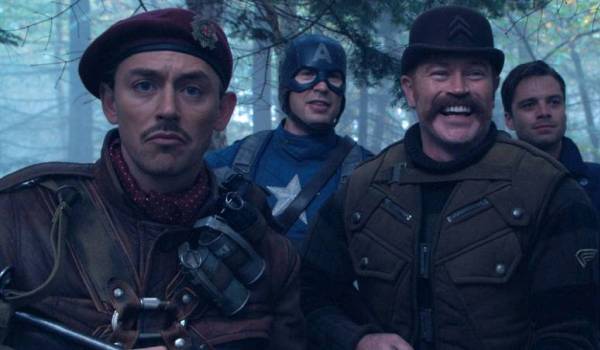
Appears in: Captain America: The First Avenger (2011)
This British hero shows up in a blink-and-miss cameo, teasing a wider MCU that extends past its usual American heroes. Union Jack has a long comic history as one of Britain’s premier costumed protectors, occasionally teaming with Captain America. His brief appearance signals Marvel Studios’ interest in expanding its hero roster internationally. Fans have speculated his cameo could set up a larger UK-based storyline down the line.12. Camp Echo One’s Comic Book Roots
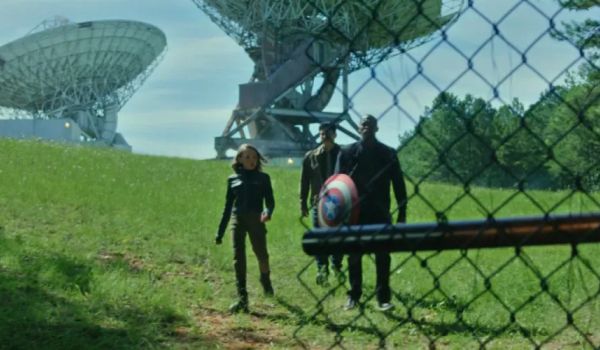
Appears in: Captain America: Brave New World (2025)
The prison holding Samuel Sterns in Captain America: Brave New World (2025) is lifted directly from the comics, where Camp Echo-1 was a S.H.I.E.L.D. facility built to contain Bruce Banner. In the source material, the site was later repurposed to hold Amadeus Cho rather than the Hulk himself. Its live-action version keeps the same real-world filming location tied to a radio observatory. The callback rewards fans who’ve followed the Hulk’s supporting cast for years.13. Jocasta
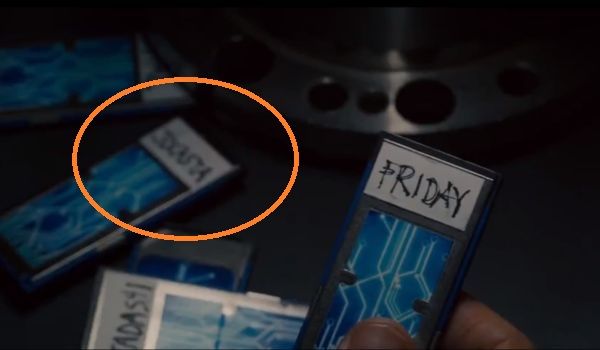
Appears in: Avengers: Age of Ultron (2015)
The AI Avenger has been teased in the background of MCU tech for years, long before fans expected her to formally join the team. In the comics, Jocasta was created using Ultron’s own technology, eventually turning against her creator to fight alongside the Avengers. Her subtle presence in MCU tech interfaces suggests Marvel Studios has long-term plans for the character. Her eventual live-action debut has been one of the most anticipated deep-cut reveals among comic readers. She’s going to appear in the upcoming show VisionQuest, played by T’Nia Miller. She’s going to appear in the upcoming show VisionQuest played by T’Nia Miller. Want to catch every AI callback? Check out our guide on what to watch before VisionQuest.14. Nick Fury’s Tombstone Quote
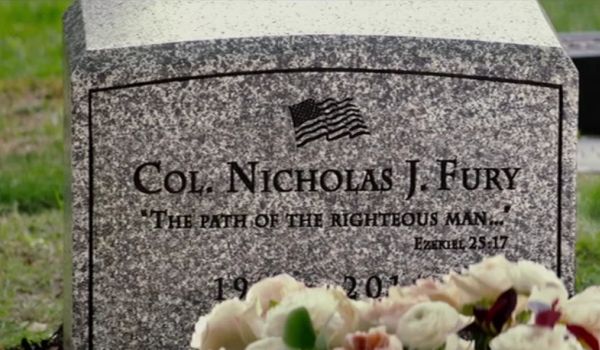
Appears in: Captain America: The Winter Soldier (2014)
A joke epitaph hides a reference rooted in a sly nod to an actor’s famous role rather than a throwaway gag. The quote plays as dark humor on the surface, but pulls directly from Samuel L. Jackson’s 1994 movie Pulp Fiction. In the film he quotes the Bible, saying “The path of the righteous man… Ezekiel 25:17.” Longtime movie watchers recognized the reference immediately, while casual viewers likely read it as pure comedy. It’s a good example of the MCU layering jokes that work on two very different levels at once.15. Ghostface Killah’s Song (and Almost His Face)
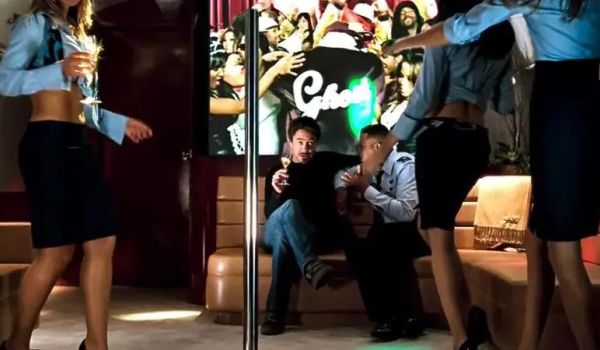
Appears in: Iron Man (2008)
Ghostface Killah’s song “Slept on Tony” plays in the background during the private airplane scene, and the rapper himself was nearly cast in a visual cameo that got cut. Wu-Tang Clan member Ghostface Killah (born Dennis Coles) frequently used the aliases “Ironman” and “Tony Starks.” The song choice ties into the film’s broader soundtrack strategy, which leaned heavily on hip-hop and classic rock. Ghostface’s near-cameo would have added a real-world music icon directly into the MCU’s world. Even without the visual cameo, the musical nod remains a favorite among longtime fans of the soundtrack.16. Donald Blake
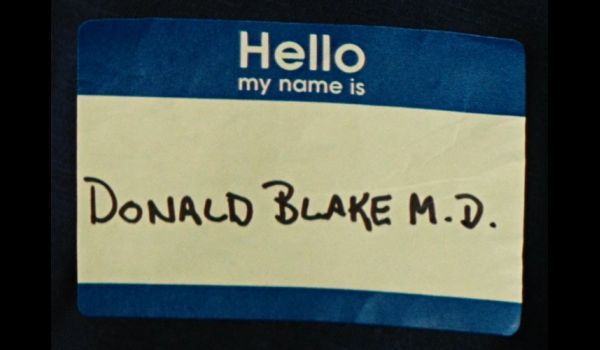
Appears in: Thor (2011)
Thor’s classic human alter ego gets a quiet nod, referencing his original comic book origin story. In the comics, Blake was Thor’s mortal identity for decades before the character’s mythology shifted away from secret identities entirely. The MCU’s brief reference lets longtime readers enjoy a wink toward Thor’s earliest published stories. It’s a detail most casual viewers wouldn’t recognize without prior comic knowledge.17. Rama-Tut
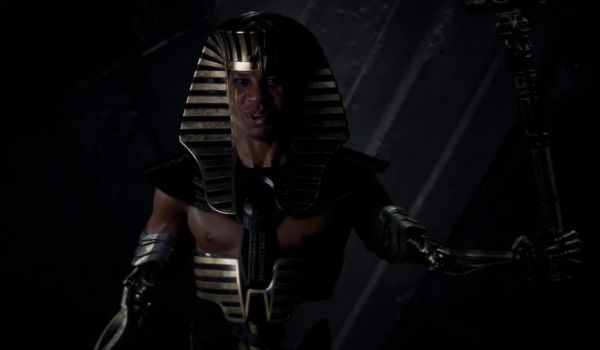
Appears in: Loki (2021), Ant-Man and the Wasp: Quantumania (2023)
This time-traveling pharaoh ties directly into Kang’s comic history, hinting at the character’s many alternate identities. In the comics, Rama-Tut is one of dozens of Kang variants, each representing a different point in his convoluted timeline. His appearance signals just how tangled the MCU’s own Kang storyline is likely to become. Fans tracking the character’s comic history see this as a direct setup for future multiverse chaos. At least it would have if they hadn’t canned Jonathan Majors.18. The Original Human Torch (Jim Hammond)
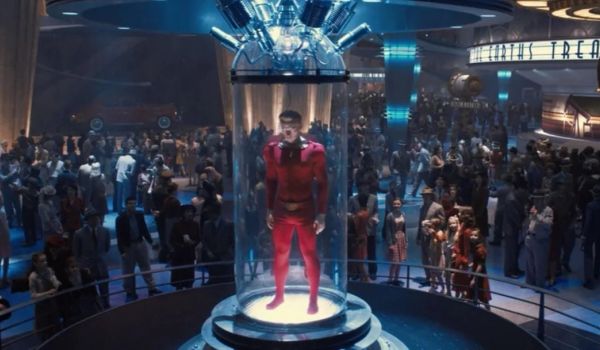
Appears in: Agent Carter (2015), Agents of S.H.I.E.L.D. (2019)
In the first Captain America: The First Avenger (2011) film, we see the “synthetic man.” This android hero predates the Fantastic Four by decades, referencing Marvel’s earliest published superhero. Jim Hammond debuted in 1939, years before Johnny Storm ever took on the Human Torch name. His inclusion acknowledges that Steve Rogers’ role in the “Invaders” group, which included t’s a deep-cut nod aimed at readers familiar with Golden Age Marvel history.19. Captain America’s Shield
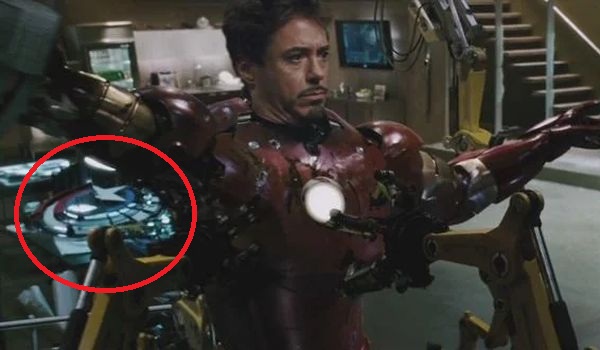
Appears in: Iron Man (2008)
Captain America was foreshadowed since before the Avengers. In the first Iron Man movie, one of the ILM artists put his iconic shield in as a joke. When the second movie came up, they had to address it, and it became a replica of the original from his father, Howard Stark. It’s a reminder that even the franchise’s most iconic prop carries buried comic book history.20. The Ten Rings Symbol
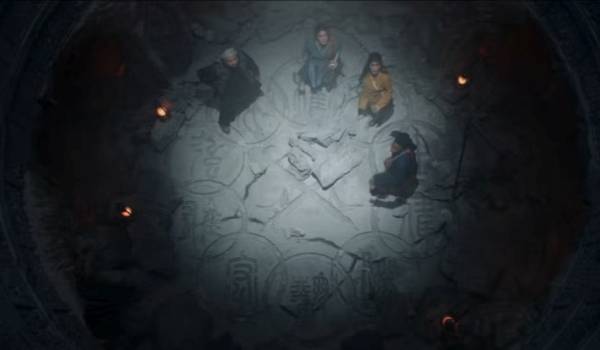
Appears in: Iron Man (2008), Iron Man 3 (2013), Ms. Marvel (2022)
The Ten Rings logo appears in the first Iron Man movie years before Shang-Chi, planted as an early thread tying together several MCU villain organizations. Later, the symbol shows up in the background of unrelated films long before its full significance is explained. Its latest appearance was in the Disney+ series Ms. Marvel. This appearance hints that the energy from Kamala’s bangle connects to the Ten Rings worn by the Mandarin. The symbol’s recurring presence across MCU projects suggests Marvel Studios had this organization’s reach mapped out from early on. Long-term easter eggs like this one reward fans who rewatch older films after new releases arrive.21. Stephen Strange Before Becoming Doctor Strange
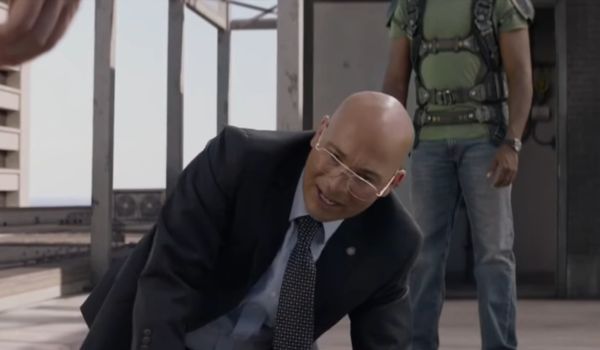
Appears in: Captain America: The Winter Soldier (2014)
Several years before his appearance in the MCU, Dr. Stephen Strange gets a name drop. When Rogers and Wilson interrogate Sitwell about Project Insight, he mentions that one of the men they’ve been watching as a potential threat is Stephen Strange. These moments plant character traits that pay off once Strange’s origin story fully unfolds. His portrayal echoes the comics’ version of a brilliant but self-absorbed doctor before his life-changing accident. It’s a subtle character setup rather than a hidden prop, rewarding viewers who track his arc from the first scene.22. Beta Ray Bill
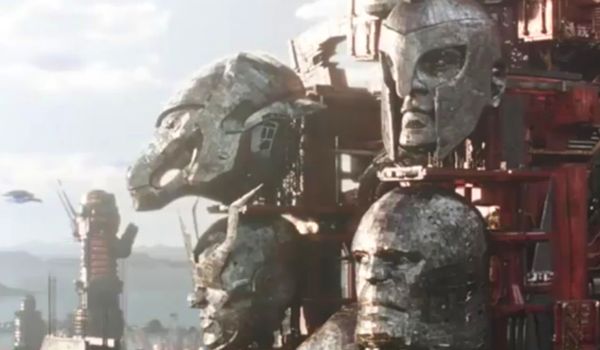
Appears in: Thor: Ragnarok (2017)
Thor’s alien equivalent appears in the background, a long-awaited nod for fans who’ve wanted him on screen for years. In the comics, Bill proved himself worthy of lifting Mjolnir, eventually earning his own hammer, Stormbreaker. His brief MCU appearance confirms the character exists in this universe without committing to a larger role yet. Longtime readers have pushed for a fuller Beta Ray Bill storyline ever since.23. The 1994 Fantastic Four Cast’s Secret Cameo
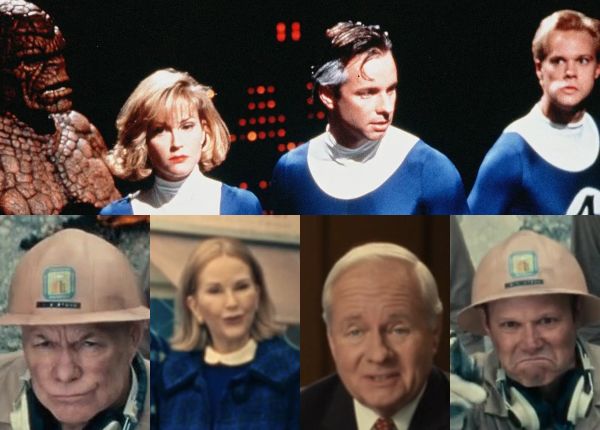
Appears in: The Fantastic Four: First Steps (2025)
Stars from the unreleased 1994 Fantastic Four film sneak into a modern MCU project, a reward for franchise historians. Alex Hyde-White, Rebecca Staab, Jay Underwood, and Michael Bailey Smith originally played the team in Roger Corman’s shelved production. Their brief appearance as background news figures closes a decades-long loop for fans of the film’s cult history. It’s a heartfelt nod to actors whose work was never officially released.24. Throg in a Jar
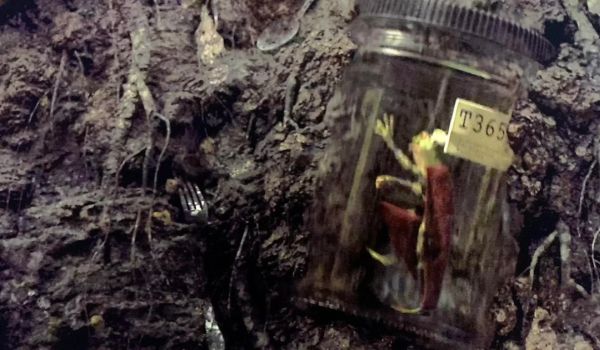
Appears in: Loki (2021)
The tiniest, strangest Thor easter egg pays off a comic book joke that’s been running for decades. A frog trapped in a jar appears briefly among the Void’s discarded variants, labeled with the identifier “T-365.” That number refers to Thor #365, the 1986 comic issue in which Thor was first transformed into Throg. It’s one of the deepest comic pulls in the entire franchise, rewarding only the most dedicated readers.25. Stan Lee’s Watchers Connection
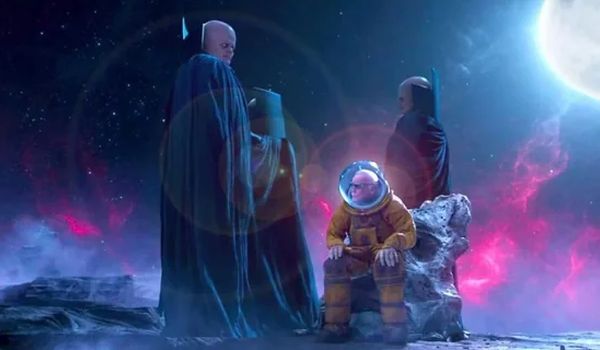
Appears in: Multiple MCU films (Phase One through Phase Three)
Lee’s cameos were long rumored to all be the same character, secretly linking him to the cosmic Watchers race. The theory suggests each of his appearances shows a Watcher observing key moments across the timeline. Marvel Studios never fully confirmed this as official canon, so it’s best framed as a beloved fan theory rather than settled fact. It remains one of the most fun rabbit holes for fans revisiting Lee’s many cameos.Frequently Asked Questions
What is an MCU easter egg?
An MCU easter egg is a small, intentional detail — a prop, name, or sound — planted for attentive fans to notice, often without any on-screen explanation.Why do Marvel movies have so many easter eggs?
Marvel Studios uses Easter eggs to reward longtime comic readers and plant hidden MCU details years before they matter in future films.Do MCU easter eggs ever get explained later?
Yes. Many hidden Marvel references only make sense once a later film or series provides context, which is why rewatching pays off.Conclusion
These 25 MCU easter eggs prove that no detail is ever really thrown away in this franchise. Hidden Marvel references, comic book easter eggs, and cosmic MCU hidden details all connect back to decades of source material. Whether it’s a mural, a tombstone joke, or a frog in a jar, the MCU keeps rewarding the fans paying closest attention.Which Easter Egg Surprised You Most?
Twenty-five easter eggs barely scratch the surface of what Marvel Studios has hidden across the MCU. Some of these details took years to pay off, while others are still waiting for their moment. Which one caught you off guard, and which comic deep cuts do you think we missed? Drop your picks in the comments below, and don’t forget to bookmark this page — we’ll keep updating it as new MCU releases add fresh easter eggs to track down.Related Posts
Discover more from The Geek Twins
Subscribe to get the latest posts sent to your email.
