


Star Trek has never been short on unforgettable captains, but not all command styles leave the same legacy. From Benjamin Sisko’s wartime leadership on Deep Space Nine to Jean-Luc Picard’s diplomacy aboard the Enterprise-D, Starfleet’s most famous commanders reveal how power, ethics, and survival collide in space.
This ranked list of Star Trek captains and commanders explores the franchise’s most influential leaders across eras, series, and films—examining who truly defined Starfleet command, who divided fans, and why these captains still shape debates about leadership in the Star Trek universe today.
Top Ten Star Trek Captains
| Rank | Captain / Commander | Series / Film |
|---|---|---|
| 1 | Benjamin Sisko | Deep Space Nine |
| 2 | Jean-Luc Picard | The Next Generation |
| 3 | Kathryn Janeway | Voyager |
| 4 | Christopher Pike (SNW) | Strange New Worlds |
| 5 | Nahla Ake | Starfleet Academy |
| 6 | Philippa Georgiou (Prime) | Discovery |
| 7 | James T. Kirk | The Original Series |
| 8 | Michael Burnham | Discovery |
| 9 | Christopher Pike (Hunter) | The Cage / TOS |
| 10 | Carol Freeman | Lower Decks |
What is a Star Trek Captain?
When Gene Roddenberry designed the original Star Trek show, he based it on his experience in the military. Starfleet ranks are inspired by the Navy, where the commanding officer of a ship is addressed as Captain, regardless of their actual rank (e.g., an admiral on board is still under the Captain’s command).
A Star Trek captain is the senior officer commanding a starship or starbase. They’re responsible for crew safety, mission success, and ultimate authority. They lead exploration and diplomacy while making critical ethical decisions. Several iconic captains have appeared over the years, like Kirk, Picard, and Janeway.
In brief, they delegate but retain ultimate command, ensuring crew readiness and resource allocation, with their decisions impacting entire planets and civilizations.
Why Rank Star Trek Captains?
Ever since the early days of Star Trek, fans have debated which is the best captain. The debates raged even more intensely after the premiere of The Next Generation in 1987. Many fans find that ranking Star Trek captains requires a careful balance between diplomatic skill and tactical brilliance. There have been endless debates if Picard is a better captain than Captain Kirk. Before long, the debate was prominent enough for a TV Guide cover story to feature it. Since then, the shows and movies have introduced many captains, and the debate has raged on. Is Janeway the worst or the best? Does a captain need to be action-oriented like Kirk or diplomatic like Picard? Is the best female captain Janeway or Burnham?
What Makes a Great Star Trek Captain?
A great Star Trek captain blends intellect, empathy, and decisive leadership under pressure. On the other hand, the best commanders balance Starfleet principles, diplomacy, and tactical strategy, knowing when to negotiate peace and when to protect their crew. They inspire loyalty through integrity, uphold the Prime Directive, and remain calm during crises, whether facing alien species, spatial anomalies, or interstellar war. Iconic leaders like Kirk, Picard, and Janeway show that curiosity and compassion are as vital as strength. Ultimately, a successful Federation captain leads by example, trusts their officers, and explores the unknown with courage, making exploration, unity, and hope their guiding stars.
Star Trek Captains Ranked — Worst to Best
17. Lawrence Styles (Star Trek III: The Search for Spock)
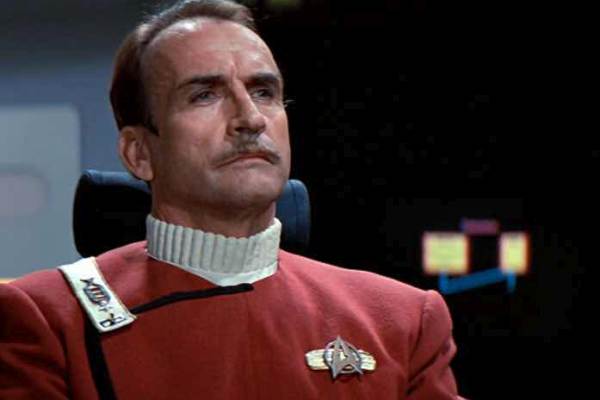
First Appearance: Star Trek III: The Search for Spock
Leadership Traits: Functional, cautious, less influential; adequate in routine missions
Best Episode: Star Trek III: The Search for Spock
First of the worst captains in Star Trek is Captain Lawrence H. Styles (James B. Sikking). He was a Starfleet officer and commander of the prototype vessel USS Excelsior in 2285. While he’s functional and cautious, he adequately manages routine missions but is limited in crisis leadership. His command style emphasizes protocol over inspiration.
While the movie wasn’t his best example, it also happens to be his best example since he never showed up again.
16. Rudy Ransom (Star Trek: Voyager)
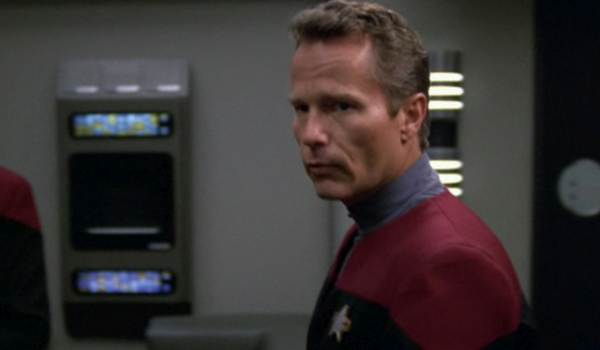
First Appearance: Star Trek: Voyager (1999): S6E26 – “Equinox, Part I”
Leadership Traits: Competent but inexperienced; struggles with decision-making in critical moments
Best Episode: “Equinox, Part II” (VOY S6E1)
Following this is Captain Rudy Ransom (John Savage). He’s competent, but his inexperience led him to make critical mistakes in his decision-making. His leadership showed potential, but his desperation led him to make several dubious ethical decisions. That includes harvesting alien bodies to boost the warp core.
He’s one of the worst offenders of the Prime Directive in Starfleet history. Plus, unlike Janeway, his time in the Delta Quadrant made him worse, not better. He finally saw the error of his ways in the final moments on his ship, sacrificing himself.
15. John Harriman (Star Trek: Generations)
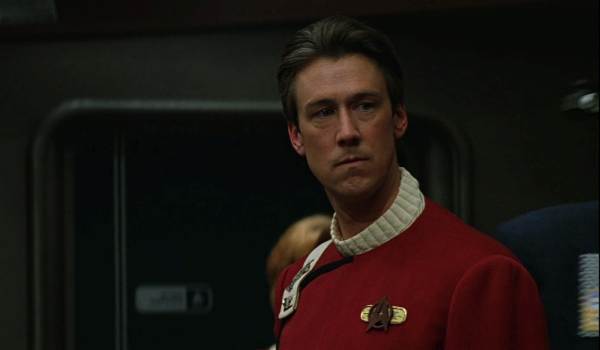
First Appearance: Star Trek: Generations (1994)
Leadership Traits: Nervous, inexperienced, well-meaning; grows under crisis
Best Episode: Star Trek: Generations (1994)
John Harriman (Alan Ruck) is a nervous but well-meaning captain of the Enterprise-B. who grows into his role during crises. His leadership highlights the importance of confidence and learning under pressure. Thankfully, he eventually accepted help from Captain Kirk (William-Shatner). Star Trek: Generations is Harriman’s best and worst moment navigating first contact and high-stakes challenges.
14. Edward Jellico (Star Trek: The Next Generation)
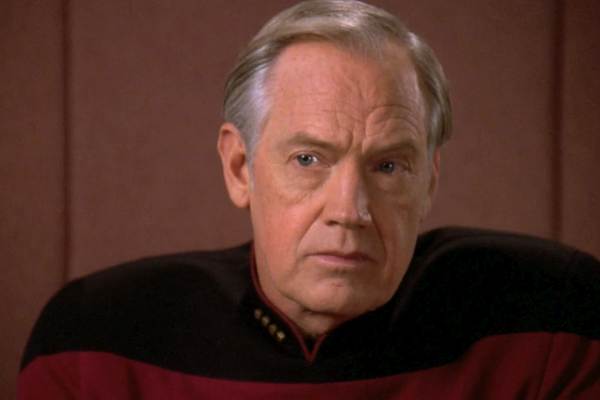
First Appearance: Star Trek: The Next Generation (1992): S6E10 – “Chain of Command, Part I”
Leadership Traits: Efficient, protocol-driven, less focused on crew empowerment; strong organizational skills
Best Episode: “Chain of Command, Part I” (TNG S2E11)
Edward Jellico (Ronny Cox) is an efficient, protocol-driven leader who emphasizes organization and discipline over empowerment. His style works well in structured environments but can strain crew morale. For example, his rigid view of Starfleet rules led him to tell Counselor Troi to put on a uniform. The two-part episode “Chain of Command” showcases Jellico enforcing strict discipline under pressure.
13. Philippa Georgiou (Mirror) (Star Trek: Discovery)
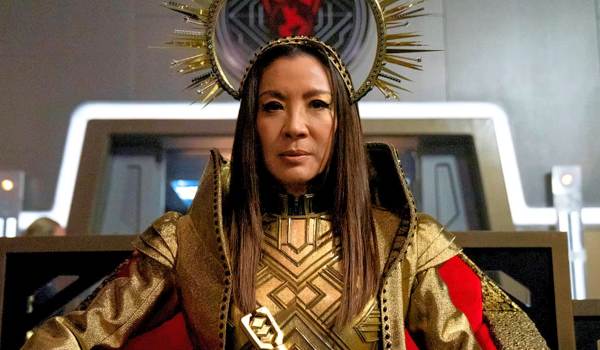
First Appearance: Star Trek: Discovery (2020): S3E09 – “Terra Firma, Part 1”
Leadership Traits: Ruthless, pragmatic, highly adaptive; leads through fear and respect
Best Episode: “What’s Past Is Prologue” (DIS S1E13)
The original captain of the USS Shenzhou is Philippa Georgiou (Michelle Yeoh). It turns out in the Mirror universe, there’s a version of Georgiou that’s the Emperor of the Terran Empire. For all her many (many, many) faults, she’s a ruthless, pragmatic, and highly adaptive leader. She leads through a mix of fear and respect.
Star Trek: Section 31 is the worst Star Trek movie and her worst appearance. By comparison, “What’s Past Is Prologue” demonstrates her calculated and decisive leadership.
12. Gabriel Lorca (Star Trek: Discovery)
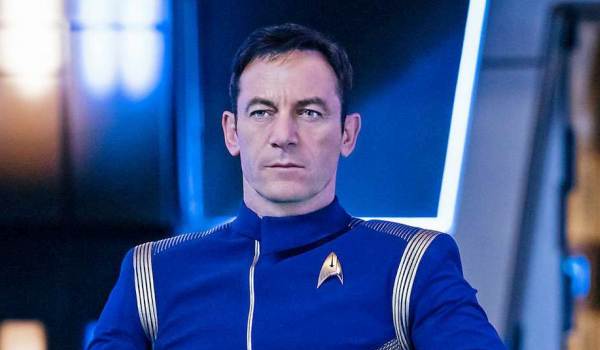
First Appearance: Star Trek: Discovery (2017): S1E01 – “The Vulcan Hello”
Leadership Traits: Brilliant strategist, highly adaptive, morally ambiguous
Best Episode: “What’s Past Is Prologue” (DIS S1E13)
Turning to our next Star Trek captain. Gabriel Lorca (Jason Isaacs) is a brilliant strategist who excels in high-stakes situations but operates with moral ambiguity. He was the first captain of the USS Discovery. It was eventually revealed that he was an evil captain from the Mirror Universe.
But he effectively united the crew. His risk-taking approach often delivers results, though at an ethical cost. Take the case of “What’s Past Is Prologue,” which highlights Lorca’s tactical genius and complex leadership style.
11. Jonathan Archer (Star Trek: Enterprise)
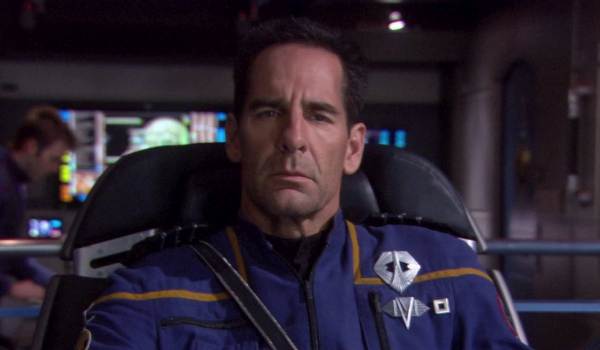
First Appearance: Star Trek: Enterprise (2001): S1E01 – Broken Bow, Part I
Leadership Traits: Principled, adaptable, learning-based leadership
Best Episode: “These Are the Voyages…” (ENT S4E22)
On the other hand we have Jonathan Archer (Scott Bakula). He’s a principled, adaptable leader who grows through trial and error. His willingness to learn from mistakes sets an example for Starfleet cadets.
As an illustration, during the season three war, he made a bunch of ethical mistakes. But it’s understandable since Starfleet was in its infancy. His best episode is “These Are the Voyages… ” It demonstrates Archer’s decision-making under high pressure.
10. Carol Freeman (Star Trek: Lower Decks)
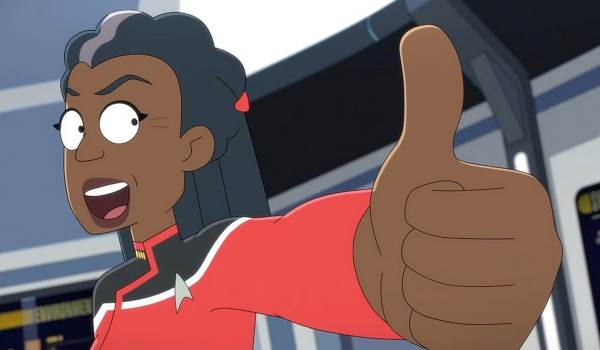
First Appearance: Star Trek: Lower Decks (2020): S1E01 – Second Contact
Leadership Traits: Supportive, competent, balances mission priorities with crew welfare
Best Episode: “Second Contact” (LD S1E1)
The tenth captain on our list is Carol Freeman (Dawnn Lewis). She’s quick-tempered, highly strung, and micromanages to a fault. But she’s a supportive and competent captain who balances mission priorities with crew welfare. Her calm, patient style ensures that even difficult missions run smoothly.
For example, the Lower Decks episode “Second Contact” is best known as the episode where we find that she’s the frustrated mother of Beckett Mariner. But it also shows Freeman as a professional, strict, yet loving captain. It sets the tone for her whole character.
9. Christopher Pike (Hunter) (Star Trek: The Original Series)
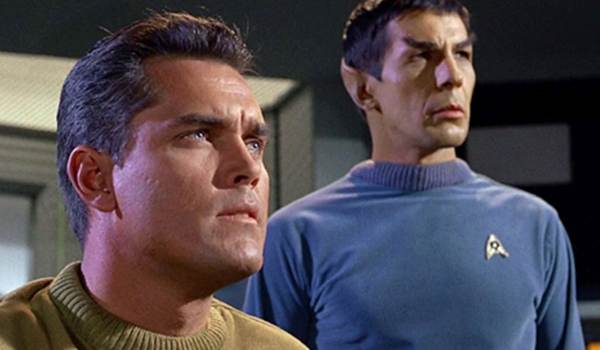
First Appearance: Star Trek: The Original Series (1966): S1E01 – “The Man Trap”
Leadership Traits: Strong ethical compass, thoughtful, responsible
Best Episode: “The Cage” (TOS S1E0)
The original Christopher Pike (Jeffrey Hunter) only appeared in the pilot episode and was replaced by William Shatner’s Kirk. But even in his brief appearance, he demonstrated a strong ethical compass and responsible leadership, balancing duty with compassion. His early experiences highlight the challenges of command in Starfleet.
In fact, his best (and only episode) is “The Cage.” It features Pike’s moral courage and crew-focused decision-making. Plus, his relationship with Spock is surprisingly heartwarming.
8. Michael Burnham (Star Trek: Discovery)
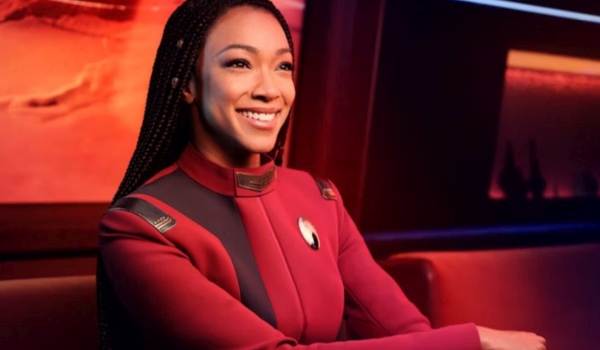
First Appearance: Star Trek: Discovery (2017): S1E01 – “The Vulcan Hello”
Leadership Traits: Adaptable, independent, morally guided, and learns teamwork
Best Episode: “That Hope Is You, Part 2” (STD S3E13)
Eigth on the list, we have Michael Burnham (Sonequa Martin-Green). When we first meet her, she’s an Ensign on the Shenzhou. She later became First Officer on Discovery, but was disgraced and imprisoned for mutiny. It’s only after the time jump to the future that Burnham becomes the captain of a starship.
Along the way, she becomes an adaptable but independent captain who learns to balance teamwork with her strong moral compass. Her growth across Discovery emphasizes resilience and tactical brilliance. Thus, her best episode is “That Hope Is You, Part 2.” It showcases Burnham’s decisive and empathetic leadership as she kills Osyraa and retakes the Discovery from the Emerald Chain with help from the crew.
7. James T. Kirk (Star Trek: The Original Series)
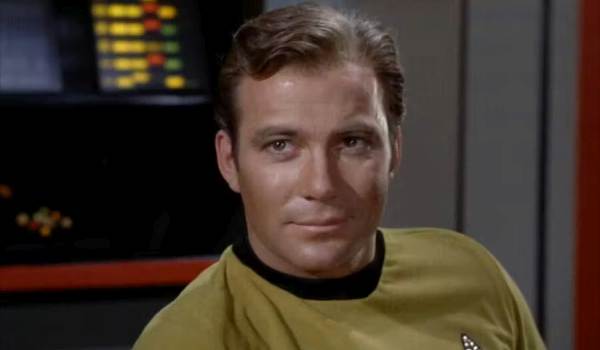
First Appearance: Star Trek: The Original Series (1966): S1E01 – “The Man Trap”
Leadership Traits: Bold, charismatic, intuitive, risks often pay off
Best Episode: The Wrath of Khan (TOS Movie)
Number seven on our list of the best Star Trek captains is controversial. James T. Kirk (William Shatner) is beloved by fans as the first captain of the USS Enterprise. He’s a legend, sure, but ranking Star Trek captains means admitting Kirk’s primary tactical maneuver is luck.
Accordingly, he gambled often and only succeeded with blind luck. For instance, he beat the Gorn because he “happened” to have the right materials. He bluffed opponents like Balok and the Romulans in the Neutral Zone. Nevertheless, his leadership is defined by courage and the ability to inspire his crew. His best moments actually came from the movies. The Wrath of Khan demonstrates Kirk’s quick thinking and fearless command.
6. Philippa Georgiou (Star Trek: Discovery)
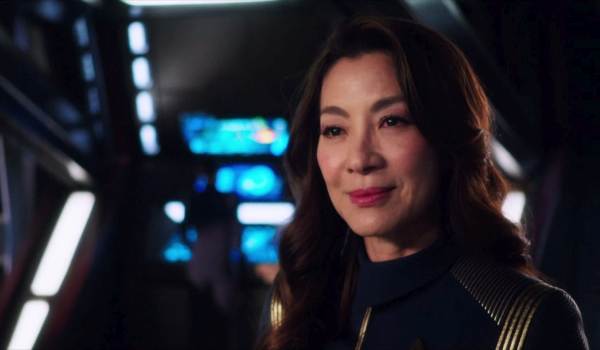
First Appearance: Star Trek: Discovery (2017): S1E01 – “The Vulcan Hello”
Leadership Traits: Strategic, principled, fair, empathetic, and inspires confidence
Best Episode: “The Vulcan Hello” (STD S1E1)
Next in our list of Star Trek captains is Philippa Georgiou from the Prime universe (Michelle Yeoh). Like Jeffrey Hunter’s Pike, her time on the show was brief. After years of service as a captain, she was killed during the Battle of the Binary Stars in the pilot episode. Her fairness, empathy, and strategic brilliance inspired her crew, including Burnham.
In fact, Captain Georgiou was a good captain because of her blend of mentorship, experience, and adherence to Starfleet ideals. She fostered a relaxed yet respectful bridge environment on the USS Shenzhou, mentoring Michael Burnham while maintaining firm authority and preferring diplomacy over aggression.
5. Nahla Ake (Star Trek Academy)
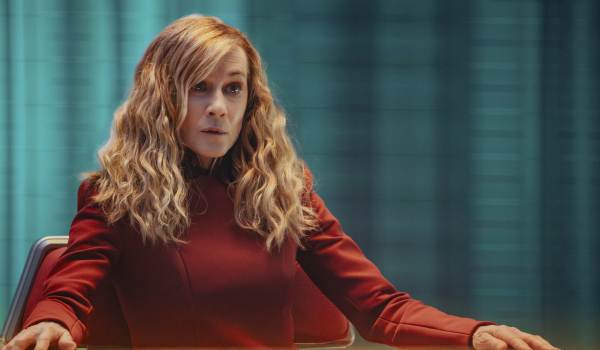
First Appearance: Star Trek: Starfleet Academy: S1E01 — “Foundations”
Leadership Traits: Ethical leadership, strategic empathy, decisive under pressure
Best Episode: “The Chancellor’s Burden” (S1E07)
Now we’ve reached our top five. Captain Nahla Ake (Holly Hunter) — later Chancellor — brings a flinty, clear-eyed authority to Starfleet Academy’s command structure. Her portrayal blends warmth with the uncompromising moral standards of Picard. She’s the kind of leader cadets both fear disappointing and aspire to emulate. She embodies the Academy’s core values: integrity, accountability, and the belief that Starfleet’s future is shaped one cadet at a time. Ake’s the rare commander who can deliver a reprimand that feels like a life lesson — and a life lesson that feels like a challenge to be better. “The Chancellor’s Burden” is the episode where her mentorship philosophy crystallizes: Starfleet doesn’t need perfect officers—it needs principled ones. Her scenes with the cadets highlight her gift for grounding high-stakes sci-fi dilemmas in human truth.
4. Christopher Pike (SNW) (Star Trek: Strange New Worlds)
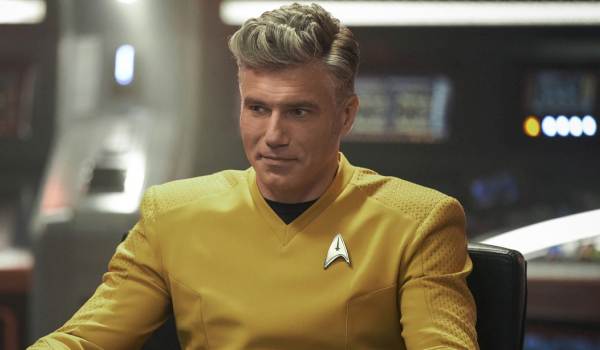
First Appearance: Star Trek: Strange New Worlds (2022): S1E01 – “Strange New Worlds”
Leadership Traits: Empathetic, empowering, calm under pressure, encourages crew autonomy
Best Episode: “A Quality of Mercy” (SNW S1E10)
Fourth is Christopher Pike, but this time played by Anson Mount in the prequel series Discovery. He started his command after the toxic command of Lorca. Pike’s empathy, empowerment, and calmness under pressure inspired the crew’s trust while making decisive choices.
Take the case of his communication style. He frequently solicits input from his officers, allowing them to shine and empowering them to lead. Even when grappling with his pre-ordained and tragic fate, he remained steady, optimistic, and focused on doing the right thing. He makes ranking Star Trek captains difficult because he’s so annoyingly handsome and nice that you almost forget his hair is doing 40% of the heavy lifting. Truthfully, “A Quality of Mercy” showcases Pike’s strong leadership in action in the face of overwhelming odds.
3. Kathryn Janeway (Star Trek: Voyager)
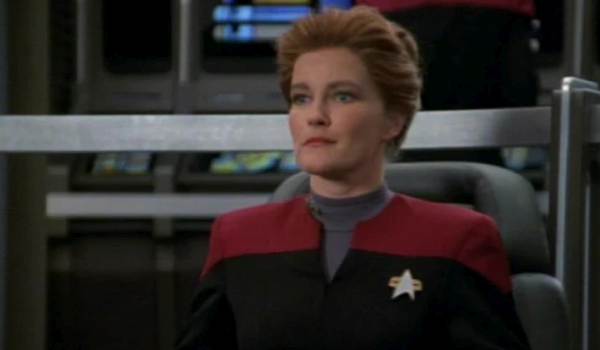
First Appearance: Star Trek: Voyager (1995): S1E01 – “Caretaker – Part I”
Leadership Traits: Resilient, loyal, risk-taker, prioritizes crew survival
Best Episode: “Year of Hell” (VOY S4E8–9)
The third-best captain on the list is Captain Kathryn Janeway (Kate Mulgrew). Kathryn Janeway’s unique challenge of leading a crew in the Delta Quadrant makes her a fascinating subject when ranking Star Trek captains. She demonstrates incredible resilience and leadership under impossible circumstances in the Delta Quadrant.
Some see her willingness to make hard choices as a liability. They got stuck in the Delta Quadrant because she decided to destroy the array. Any process of ranking Star Trek captains has to respect a woman who deleted her boyfriend’s personality and committed multiple light-speed war crimes just to get a decent cup of coffee. To sum up, her loyalty to her crew and willingness to take calculated risks define her command style. In our list of Star Trek captains, she’s the most adaptable. The aptly named “Year of Hell” showcases Janeway’s strategic brilliance and endurance.
2. Jean-Luc Picard (Star Trek: The Next Generation)
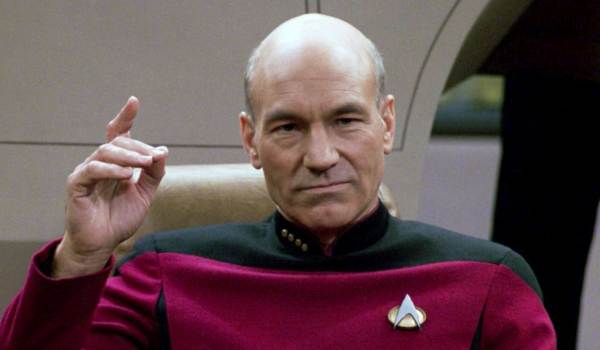
First Appearance: Star Trek: The Next Generation (1987): S1E01 – “Encounter at Farpoint, Part I”
Leadership Traits: Master diplomat, ethical, strategic, highly adaptable, inspires loyalty
Best Episode: “The Best of Both Worlds” (TNG S3E26/S4E1)
The second spot is tricky. When you’re ranking Star Trek captains, Jean-Luc Picard (Patrick Stewart) often takes the top spot due to his unparalleled moral philosophy. Picard remains one of Starfleet’s greatest captains, excelling in diplomacy, ethics, and exploration. His calm decision-making and inspirational leadership make him a paragon of Starfleet ideals.
However, in scenarios requiring constant high-stakes combat and morally gray choices, Sisko’s adaptability gives him a slight edge. “The Best of Both Worlds” showcases Picard’s moral courage and tactical brilliance.
1. Benjamin Sisko (Star Trek: Deep Space Nine)
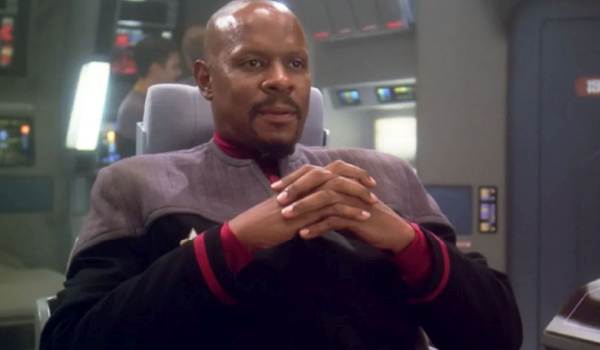
First Appearance: Star Trek: Deep Space Nine (1993): S1E01 – “Emissary”
Leadership Traits: Strong, decisive, adaptable; excels in wartime leadership; mentors his team
Best Episode: “In the Pale Moonlight” (DS9 S6E19)
The best captain is unquestionably Benjamin Sisko (Avery Brooks). The debate usually intensifies when comparing the grit of James T. Kirk to the complexity of Benjamin Sisko. But he’s the only one on this ranking Star Trek captains list who would punch a literal god in the face and then cook a five-course Creole meal as if nothing happened. Unlike Picard, Sisko frequently faces full-scale war, requiring decisive action and tactical ingenuity. He empowers his diverse crew, inspiring trust while navigating the harsh realities of interstellar conflict.
For instance, “In the Pale Moonlight” highlights Sisko’s pragmatic, morally nuanced command. It defines him as a pragmatic wartime leader, willing to sacrifice his morality to save the Alpha Quadrant. It showcases his darkest, most desperate moment, where he lies, bribes, and becomes an accessory to murder, ultimately accepting the burden of his actions to ensure the Federation’s survival.
Conclusion — The Final Frontier of Leadership
Ultimately, ranking Star Trek captains is a subjective task because every leader brings a different strength to the center chair. Whether you favor Picard’s calm diplomacy, Sisko’s hard-earned pragmatism, or Janeway’s iron resolve in the Delta Quadrant, Star Trek’s captains reflect the franchise’s evolving ideas about leadership, morality, and power. Each commander on this list represents a different answer to the same question: what does it truly mean to sit in the captain’s chair? As new Star Trek series continue to redefine Starfleet command, these captains remain the benchmark—argued over, rewatched, and endlessly ranked by fans across generations.
Frequently Asked Questions About Star Trek Captains
Who is the best Star Trek captain?
Benjamin Sisko ranks as the best Star Trek captain in Star Trek: Deep Space Nine for his wartime leadership, tactical brilliance, and emotional complexity.
Is Picard better than Kirk?
Jean-Luc Picard is considered more diplomatic and philosophical, while James T. Kirk is more instinctive and action-oriented.
Why is Sisko ranked above Picard?
Sisko faced more morally complex wartime decisions during the Dominion War, making him a more adaptable commander under pressure.
Who was the first female Star Trek captain?
Kathryn Janeway became the franchise’s first lead female captain in Star Trek: Voyager.
Who is the worst Star Trek captain?
Captain Lawrence Styles ranks lowest because of his limited leadership impact and lack of memorable command moments.
Which is your favorite Star Trek captain? Which is the worst? Let us know in the comments below! Also, why not share this with your favorite Star Trek fan?
Discover more from The Geek Twins
Subscribe to get the latest posts sent to your email.
