


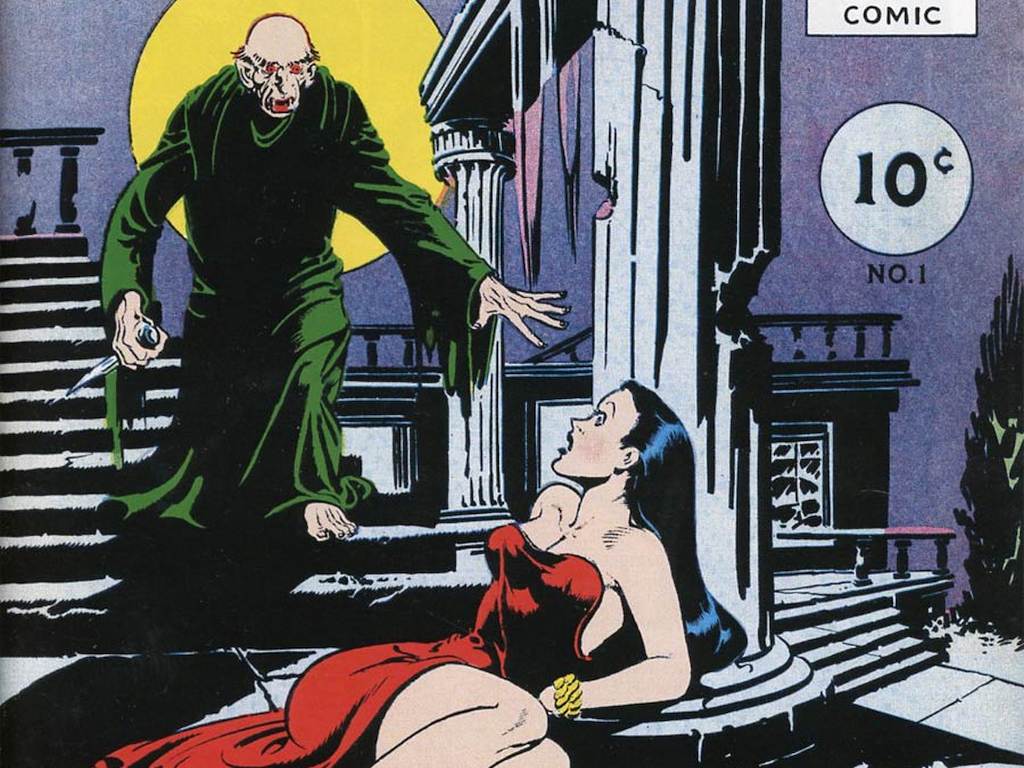
It may come as a surprise, but in Sacramento, selling comic books to kids is technically illegal. The law was originally designed 75 years ago to protect minors from “harmful” material. The ordinance has remained on the books despite the popularity of comics among young and older readers. Now, city officials and community advocates are pushing to update this outdated rule.
Background on the Law
The city code designated 9.12.010 was enacted in 1949 during a period of national moral panic and U.S. Senate hearings that blamed comic books for juvenile delinquency.
It reads as follows:
It is unlawful for any person to distribute, give away or in any way cause to be furnished ultimately for use by persons under the age of eighteen (18) years any book, magazine or other publication, commonly known as a “comic book” in which there is prominently featured an account of crime, and which depicts, by the use of drawings or photographs, the commission or attempted commission of the crimes of arson, assault with caustic chemicals, assault with a deadly weapon, burglary, kidnapping, torture, mayhem, murder, rape, robbery, theft or voluntary manslaughter.
As you can see, that casts a pretty wide net on comic books since most deal with fighting crime. Moral activists said that comics corrupted young people, damaged their reading, and even turned them into criminals. Public condemnation of this kind expanded through town meetings and popular magazines, and it even resulted in comic book burnings!
Certain titles were classified alongside explicit or obscene content, making it illegal for retailers to sell them to anyone under 18. While enforcement has been inconsistent, the rule has posed limitations on local comic shops and libraries, often forcing staff to navigate confusing legal gray areas.
Impact on Local Shops and Young Readers
Local businesses and youth advocates argue that the law unfairly restricts access to a valuable cultural and educational medium. Comics today cover a wide range of topics—from history and science to diversity and social issues—making them an engaging way for children to learn and explore storytelling. Retailers have reported occasional issues, but many have simply avoided selling certain titles to minors to stay on the safe side.
A local comic book artist named Eben Burgoon has started a petition to overturn the outdated legislation. “You could go to jail and you could face a fine for giving a kid a comic book,” Burgoon said. “There was a series of really awful things that happened, and they cited comic books as a reason why, and there was these national campaigns and senate hearings to try and ban comic books.”
He’s now searching for superheroes in Congress to lift the book prohibition. “I felt like this is a time that we could be proactive and defend free speech,” Burgoon stated.
The Push to Overturn the Ban
Efforts to overturn the ban are gaining momentum. Advocates include shop owners, parents, and city council members who believe the law no longer reflects modern content standards. Proposed changes aim to remove the blanket restriction while still protecting genuinely inappropriate material, aligning Sacramento with other cities that freely allow comic sales to minors.
Phil Pluckebaum, a council member for Sacramento City, said that there might be a chance “to right that historic wrong.” To make Superman and Batman no longer contraband, Pluckebaum is now requesting that his colleagues remove the ordinance from the city’s records.
“No one’s complaining about the youth and their comic books,” he said. “This is an opportunity to eliminate some unneeded code that we weren’t going to enforce anyway.”
Additionally, the third week of September would be designated as “Sacramento Comic Book Week” under the proposal. Next Tuesday, a city commission will discuss the repeal.
What Changing the Law Could Mean
It’s hard to say what impact repealing the law could have since it’s rarely (if ever) enforced. But repealing the law could expand access for young readers, support local businesses, and update Sacramento’s legal standards to match contemporary culture. While the rule may seem unusual today, its potential repeal represents a step toward common-sense legislation that encourages reading and creativity among children.
Sacramento could soon be a city where comics are no longer off-limits for kids, opening doors for a new generation of readers and fans. Plus, it can use the opportunity to highlight the importance of free speech.
By the way, are you looking for the best comics to buy this week? Check out our weekly review of the best comic books every week.
(Via CBS News)
Do you think Sacramento should allow kids to buy comic books freely? Why or why not?
Discover more from The Geek Twins
Subscribe to get the latest posts sent to your email.
