


Star Trek timelines are confusing. But a new official reference book is aiming to solve one of sci-fi’s most complex continuity puzzles: the franchise’s tangled web of timelines. Titled Star Trek Timelines: A Visual Voyage Through Generations of History, the upcoming DK release maps the entire history of the Star Trek universe—from the Big Bang to its far future—and charts alternate realities such as the Mirror Universe and the Kelvin Timeline. The project embraces decades of canon, contradictions, and time-travel chaos that have defined the franchise since its inception.
What the Book Covers
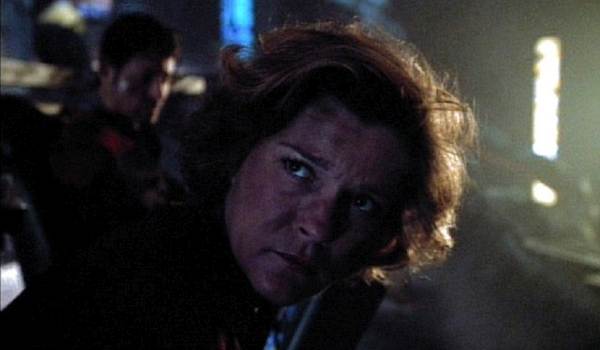
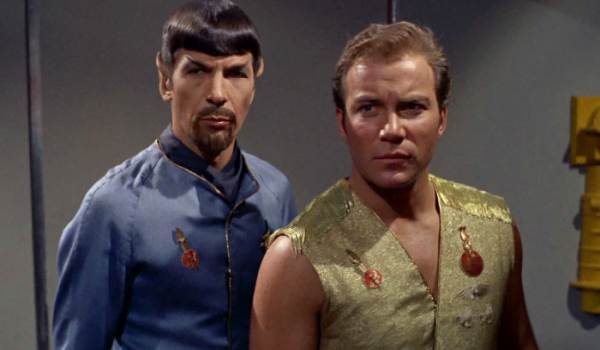
Star Trek Timelines is coming in November 2026. It delves into the vast multiverse from Star Trek’s stories. Beyond the “prime timeline,” the book covers the abandoned Kelvin Timeline (the alternate universe from JJ Abrams’ Trek trilogy). But it also handles time-travel divergences and “broken” timelines. This would include the Mirror Universe from TOS, Deep Space Nine, and Discovery. Plus, abandoned chronologies like Voyager’s “Year of Hell” and Strange New Worlds‘ “Tomorrow and Tomorrow and Tomorrow.”
Why Star Trek Timelines Are So Complex
The timeline of Star Trek isn’t just long—it’s layered, fractured, and constantly evolving. What began as a straightforward future history has expanded into a sprawling multiverse shaped by decades of storytelling choices.
One major factor is the franchise’s heavy reliance on time travel. From early episodes of Star Trek: The Original Series to later entries like Star Trek: Voyager, characters frequently jump across centuries, altering events and creating ripple effects that complicate continuity.
Reboots and alternate realities add another layer. For example, the introduction of the Kelvin Timeline in Star Trek split the canon into parallel tracks, while the Mirror Universe presents a darker version of familiar events and characters.
On top of that, the franchise spans multiple centuries of in-universe history across numerous series—from Star Trek: Enterprise (set in humanity’s early space exploration era) to Star Trek: Discovery, which jumps far into the future. Each new show fills gaps, revises context, or introduces new contradictions.
Finally, canon itself isn’t always perfectly aligned. Different writers, eras, and creative teams have occasionally reinterpreted established events, leading to inconsistencies that fans still debate today.
Put it all together, and Star Trek isn’t just a timeline—it’s a constantly shifting puzzle, where every new story can reshape what came before.
Key Authors and Production Details
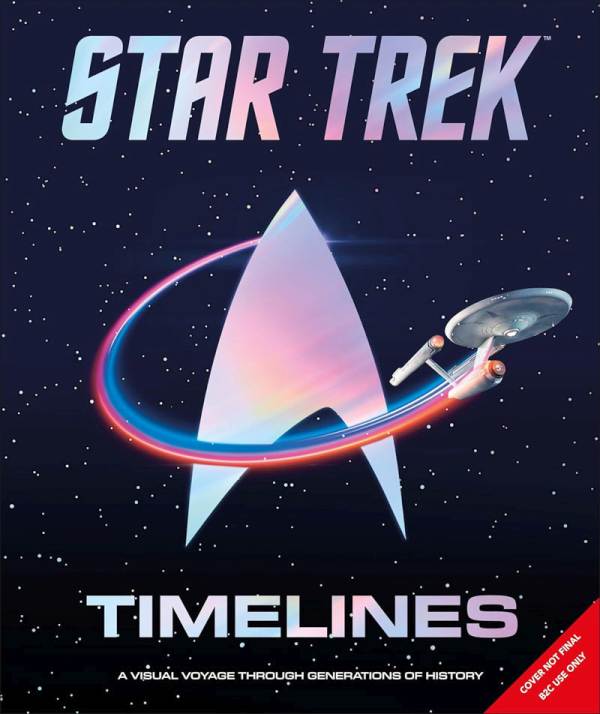
The book will be sold in a 336-page hardcover format, but may be released in a cheaper softcover later.
Four authors have contributed to the book: Michael Dismuke (Star Trek Adventures and the Star Trek Explorer magazine), Jim Johnson and Kelli Fitzpatrick (Modiphius Entertainment’s Star Trek Adventures role-playing game), and Derek Tyler Attico (The Autobiography of Benjamin Sisko).
Here’s the official book description
Chart the history of Star Trek from the Big Bang to the end of the universe.
Explore hundreds of Star Trek events in the Prime universe and many alternate realities. This title spans the entire breadth of the iconic Star Trek franchise from The Original Series through to its latest series, including Star Trek: Strange New Worlds and Star Trek: Starfleet Academy.
Discover fascinating alternate timelines from the infamous Mirror Universe to the Kelvin timeline and Star Trek: Voyager’s Year of Hell. From Michael Burnham to Jean-Luc Picard, feature spreads cover iconic characters’ evolutions through space and time.
Written by four authors steeped in Star Trek lore, this official book has been meticulously researched and will be an indispensable gift for fans as Star Trek celebrates its 60th anniversary.
Learn more about the book at Penguin Random House. You can preorder the book at bookstores or online sellers like Amazon right now.
Why Fans Will Care
For longtime viewers of Star Trek, the biggest appeal is clarity. With decades of overlapping stories, alternate realities, and time-travel twists, even dedicated fans can lose track of how everything connects. A comprehensive timeline guide helps bring order to that complexity, making it easier to see how key events, characters, and series fit together.
It’s especially valuable for navigating major branches like the Kelvin Timeline and the Mirror Universe, which often leave viewers debating what counts as canon. By laying everything out visually, the book offers a shared reference point for those discussions.
Newer fans also benefit. With modern entries like Star Trek: Discovery and Star Trek: Strange New Worlds expanding the universe, jumping into Star Trek can feel overwhelming. A clear, visual roadmap lowers the barrier to entry and makes the franchise more accessible.
However, the fact that Timelines is more than just a short chronological history of the original Star Trek world makes it an even more intriguing enterprise. It takes into consideration how time travel has disrupted that chronology as well. How it has contributed to the creation of various realities, such as the Kelvin Universe (the divergent Mirror Universe will also be included, even though its origins do not stem from temporal manipulation), the numerous timelines that have been abandoned throughout various Trek stories, such as Voyager’s Year of Hell, or the future visions seen in things like the TNG finale “All Good Things.”
Ultimately, this kind of guide doesn’t just organize information—it deepens appreciation. Seeing how stories connect across time highlights the scope and ambition of Star Trek, turning a complex continuity into something fans can explore, debate, and enjoy on a whole new level.
With Star Trek Timelines, the franchise is attempting something few universes ever successfully manage: organizing decades of overlapping stories, alternate realities, and time-travel paradoxes into a single readable map. Whether it fully resolves every continuity debate or simply organizes the chaos more clearly, it represents one of the most ambitious reference guides in modern sci-fi publishing.
The book is available on November 3, 2026.
If this book’s breakdown of timelines has you thinking about how each era and continuity fits together, you might enjoy our full ranking of Every “Star Trek” Series Ranked From Worst to Best. It’s a great way to see how the shows themselves stack up across the multiverse.
What Do You Think?
What do you think—does Star Trek need an “official” timeline guide, or is the chaos part of the fun? Drop your thoughts in the comments, and share this with fellow Trekkies who argue about canon.
Discover more from The Geek Twins
Subscribe to get the latest posts sent to your email.
