


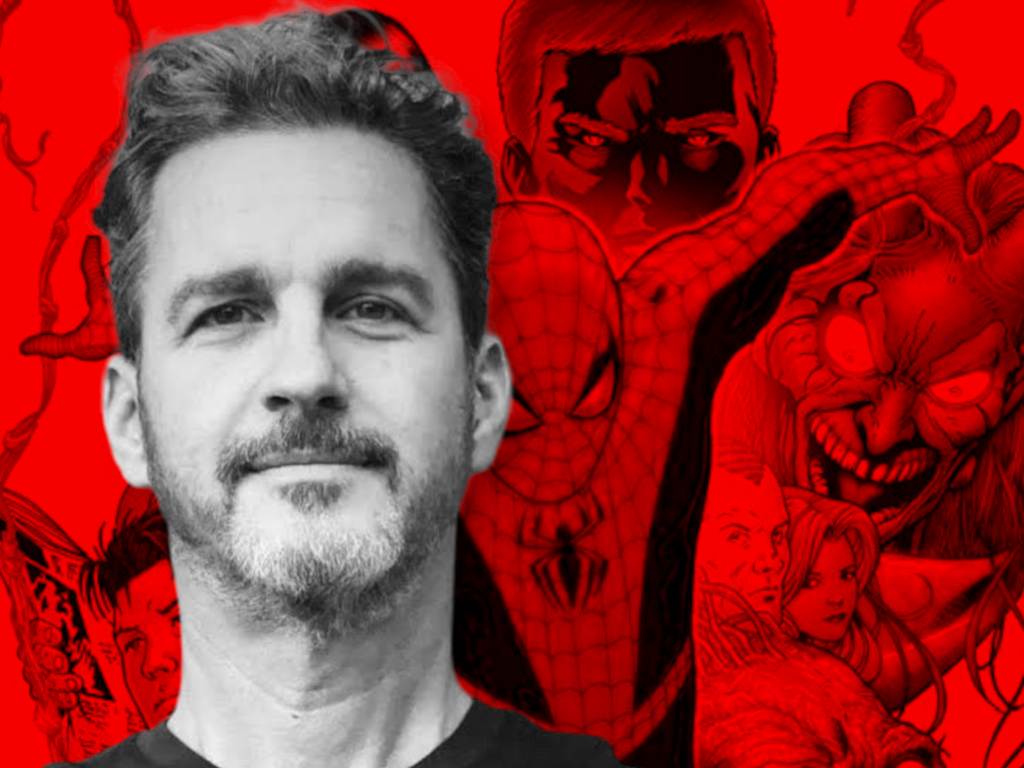
Marvel Comics has entered a new chapter by naming Stephen Wacker its new Editor-in-Chief. Longtime fans know Wacker as one of Marvel’s most influential editors, helping shape modern Spider-Man, introducing Miles Morales, and overseeing some of the publisher’s biggest hits. Here’s who Stephen Wacker is, why Marvel selected him, and what his appointment could mean for the future of the Marvel Universe.
Table of Contents
Who Is Stephen Wacker?

Stephen Wacker (Steve no more) is the new Editor-in-Chief of Marvel Comics, but he is far from a newcomer. He has spent decades helping shape some of Marvel’s biggest stories and characters. Wacker was born on May 8, 1970, in St. Louis, Missouri. He is a producer, writer, editor, and director known for projects like Marvel Wastelanders: Black Widow, Marvel Wastelanders: Old Man Star-Lord, and Guardians of the Galaxy.
Before returning to Marvel Comics, Wacker built a long career across the entertainment industry. He first became a Marvel editor in 2006 and remained in that role until 2013. During that time, he helped oversee some of Marvel’s most popular modern comics. These included Matt Fraction and David Aja’s award-winning Hawkeye series.
However, his biggest contribution may be helping create Kamala Khan, also known as Ms. Marvel. The character became Marvel’s first Muslim superhero to headline her own comic series. She later became a major figure in the Marvel Cinematic Universe, starring in her own Disney+ series before hitting the big screen in The Marvels.
After leaving Marvel Comics, Wacker worked with Marvel Animation and Marvel Television from 2013 to 2020. His work on Rocket & Groot even earned a Primetime Emmy nomination. Before Marvel recruited him during the Bill Jemas era, he worked as a sports editor for the Associated Press and spent six years editing comics at DC.
With more than 15 years of Marvel experience, Wacker returns with a unique perspective. He understands traditional comics, digital publishing, and the growing connection between Marvel Comics and Hollywood. Basically, Marvel did not bring back a rookie. They brought back someone who already knows where the bodies are buried.
Stephen Wacker’s Marvel Career
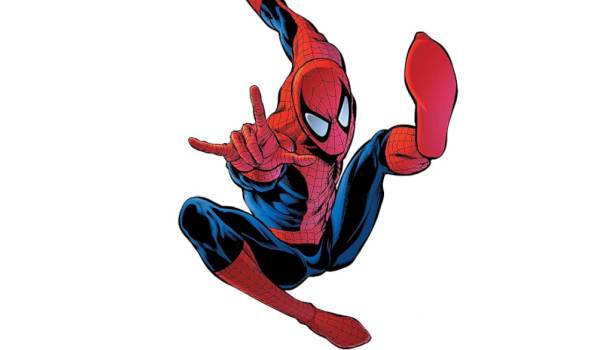
Stephen Wacker’s Marvel career has covered some of the biggest changes in modern comic book publishing. When he joined Marvel Comics in 2006, the company was entering a new era. Superhero comics were becoming more connected to movies, digital platforms, and a wider audience. Wacker quickly became one of the editors helping guide that transition.
One of his most recognizable projects was Amazing Spider-Man during the Brand New Day era. The relaunch was controversial because Peter Parker’s marriage to Mary Jane Watson was removed from continuity. Fans were divided, to say the least. However, the storyline successfully returned Spider-Man to a more frequent publishing schedule with rotating creative teams.
Wacker also played a role during the rise of Miles Morales. The character became one of Marvel’s biggest modern heroes and expanded the Spider-Man legacy beyond Peter Parker. That success eventually reached movies, animation, and video games.
Beyond superhero comics, Wacker helped Marvel expand into new formats. He worked on digital comics initiatives and the growth of Marvel Unlimited, making thousands of Marvel stories available to readers worldwide. This experience became especially valuable as the comic industry changed.
After leaving Marvel’s publishing division, Wacker moved into Marvel Animation and Marvel Television. That allowed him to work on stories beyond the printed page. His experience across comics, animation, television, and digital media gives him a unique view of Marvel’s future.
Now, as Marvel’s Editor-in-Chief, Wacker brings together all those experiences. He understands the importance of classic characters while also recognizing that Marvel must continue evolving.
Major Marvel Comics He Influenced
It is difficult to overstate Stephen Wacker’s influence on modern Marvel Comics. He is widely considered one of Marvel’s most important editors from the past two decades. His work helped redefine major characters, launch new heroes, and guide some of the company’s most successful comic book runs.
His time on Amazing Spider-Man remains one of his most talked-about achievements. The Brand New Day relaunch was controversial because it erased Peter Parker’s marriage to Mary Jane Watson. Naturally, some fans reacted like Spider-Man himself had been thrown off a building. However, the relaunch also brought fresh energy to the series.
The new direction introduced a rotating group of writers and artists. It restored classic Spider-Man elements while creating new villains and supporting characters. Wacker also helped oversee Superior Spider-Man, one of Marvel’s best-selling modern stories. The series featured Doctor Octopus taking control of Peter Parker’s body, which sounded completely ridiculous at first. Somehow, it became a fan-favorite run.
Beyond Spider-Man, Wacker helped shape several acclaimed Marvel titles. These included the Eisner Award-winning Daredevil, Matt Fraction and David Aja’s legendary Hawkeye series, and Carol Danvers’ modern Captain Marvel relaunch. He also helped guide Guardians of the Galaxy during its rise from comic favorite to mainstream phenomenon.
Of course, one of his most important contributions was Kamala Khan, also known as Ms. Marvel. As a co-creator, Wacker helped introduce a character who became a cultural milestone. Ms. Marvel proved that Marvel could create new heroes capable of standing beside its legendary characters. She ended up with her own Disney+ series and then hit the big screen in The Marvels.
His influence continues through projects like Marvel Infinity Comics and It’s Jeff!. These digital-first stories show how Marvel continues adapting to new readers while keeping its comic book roots intact.
Why Marvel Selected Stephen Wacker
Marvel did not choose Stephen Wacker as Editor-in-Chief because he was simply available. The company selected someone with a proven history of managing major characters, supporting creators, and adapting to changes in the comic book industry.
Marvel leadership highlighted Wacker’s deep understanding of the company’s “source code.” That phrase is important because Marvel Comics has always been the foundation for its movies, television shows, animation, and games. Before the Marvel Cinematic Universe became a billion-dollar machine, these characters existed on the printed page.
Brad Winderbaum, Head of Marvel Television, Animation, Comics & Franchise, praised Wacker’s return to Marvel. He described him as a talented editor, a supporter of creators, and someone who understands the importance of Marvel publishing.
“I’m excited to welcome Stephen Wacker back to Marvel. He is a tremendous editor, a passionate advocate for creators, and someone who deeply understands that Marvel Comics is the source code of our entire enterprise.”
Besides his editorial experience, Wacker is known for developing strong relationships with writers and artists. That matters because comics are a collaborative medium. A great editor does not simply give orders. They help creators bring their best ideas to life.
Wacker also brings experience in areas Marvel considers increasingly important. These include digital publishing, animation, television, and franchise development. Modern Marvel Comics exist in a much larger ecosystem now. The Editor-in-Chief must understand both the comic shop and the streaming screen.
His return represents a combination of experience and innovation. Marvel gets someone familiar with its history while still understanding where the industry is heading.
What Does Marvel’s Editor-in-Chief Actually Do?
Some fans have asked, “What does an Editor-in-Chief actually do?” Is it just sitting in an office, chomping a cigar, and telling everyone to “put your nose to the grindstone” and “hit the salt mines?” Thankfully, the job is a little more complicated than that.
The Editor-in-Chief is responsible for overseeing Marvel’s entire publishing line. That means helping guide the creative direction of the company’s comics and making sure its biggest characters remain consistent. Spider-Man, the Avengers, the X-Men, and countless other heroes all need a clear direction.
The role also includes coordinating Marvel’s editorial teams. Editors work with writers, artists, and creators to develop new stories while maintaining the quality readers expect. The Editor-in-Chief helps decide which projects move forward, which characters receive attention, and how Marvel’s publishing schedule is organized.
Another major responsibility is developing new initiatives. The comic industry has changed dramatically, and Marvel has expanded beyond traditional comic shops. Digital comics, Marvel Unlimited, and new storytelling formats have become important parts of the business.
The position also requires working with Disney and Marvel leadership. Since Marvel Comics now connects directly with movies, television, animation, and streaming, publishing decisions can have a much wider impact.
In simple terms, the Editor-in-Chief is the person helping steer the ship. They do not write every story or draw every page. Instead, they help create the environment where those stories can happen. It is part creative director, part manager, and part professional problem solver.
Considering Marvel’s complicated history and massive roster of characters, that is no small job. Even Doctor Strange would probably need a few magical spells to keep everything organized.
What Could Change Under Stephen Wacker?
It is still too early to know exactly what direction Stephen Wacker will take Marvel Comics. However, his history gives fans some clues about what could happen. His previous work suggests that character development, creator support, and new storytelling formats will likely remain important priorities.
One area to watch is the future of Spider-Man. Wacker has a long history with Peter Parker, Miles Morales, and the larger Spider-Man universe. His return could bring a renewed focus to Marvel’s most recognizable hero. Whether that means major changes or simply a stronger creative direction remains to be seen.
New creators could also receive more opportunities. Throughout his career, Wacker has helped writers and artists build memorable runs. His support of creators like Matt Fraction and David Aja on Hawkeye showed his willingness to let fresh voices reshape familiar characters.
Digital expansion will likely continue as well. Marvel Unlimited and Marvel Infinity Comics have opened the door to new readers who may never visit a traditional comic shop. As the industry changes, digital storytelling will become even more important.
Cross-media storytelling is another major factor. Marvel Comics now serves as the foundation for movies, television shows, animation, and games. Wacker’s experience outside publishing gives him insight into how these different areas connect.
Ultimately, Marvel’s publishing strategy will continue evolving. The company needs to honor its history while finding new ways to attract readers. That balancing act is easier said than done. After all, keeping decades of superhero continuity organized is almost as complicated as defeating Thanos.
Marvel Editors-in-Chief Through History
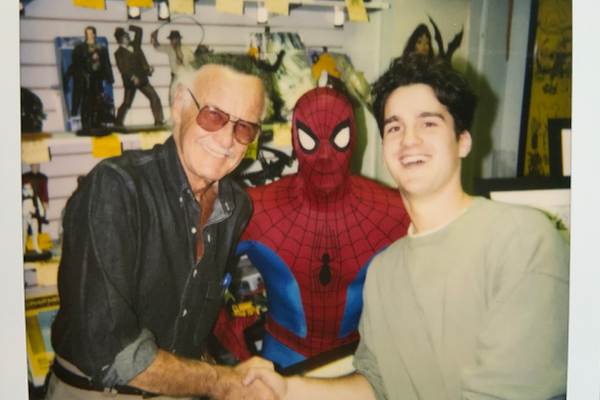
Stephen Wacker now joins a long and impressive list of Marvel Editors-in-Chief who helped shape the company’s history. Each editor faced different challenges and helped define a specific era of Marvel Comics. The job has never been simple because Marvel has always balanced tradition with change.
Stan Lee was the first major architect of Marvel’s modern publishing identity. During the Silver Age of Comics, he helped create or popularize characters like Spider-Man, the Fantastic Four, the Avengers, and the X-Men. His approach changed superhero comics forever.
Roy Thomas continued expanding Marvel’s universe by introducing new concepts and exploring genres beyond traditional superheroes. Later, Jim Shooter brought a more structured editorial approach. His era included major events like Secret Wars and helped establish stronger continuity across Marvel titles.
Editors like Tom DeFalco and Bob Harras guided Marvel through changing market conditions in the 1990s. Joe Quesada helped lead Marvel into a new era after bankruptcy concerns, while Axel Alonso expanded diversity and introduced new voices during his time as Editor-in-Chief.
C.B. Cebulski continued Marvel’s global expansion and focused on discovering new creative talent. Now, Stephen Wacker takes over with experience that crosses comics, television, animation, and digital media. Cebulski, who’s a white guy, also pretended to be a Japanese dude named “Akira Yoshida.” When he narc’d on himself, it led to a wave of controversy that at least one creator, Steven S. DeKnight, quit Marvel because of it. He’s leaving his post to go to Asia (of all places) to head up Marvel’s Asian division. Sometimes the jokes write themselves.
Every Marvel Editor-in-Chief has left a unique mark. Some focused on characters, others on business, and others on innovation. Wacker’s challenge will be combining all those lessons while guiding Marvel Comics into the future.
The next chapter of Marvel history is now being written. Hopefully, it does not require another universe reset to fix continuity.
Frequently Asked Questions
Who is Stephen Wacker?
Stephen Wacker is a longtime Marvel editor, producer, and writer who became Marvel Comics’ Editor-in-Chief. He previously worked at Marvel from 2006 to 2013, overseeing major titles like Amazing Spider-Man and Hawkeye. He also helped co-create Kamala Khan, better known as Ms. Marvel.
Why did Marvel replace C.B. Cebulski?
Marvel has not described the change as a replacement due to a problem with C.B. Cebulski. Instead, the company selected Stephen Wacker as part of its next phase of publishing leadership. Cebulski’s time as Editor-in-Chief included major events, new characters, and Marvel’s continued expansion into global markets.
What comics did Stephen Wacker edit?
Stephen Wacker worked on many important Marvel Comics titles. Some of the most notable include Amazing Spider-Man, Brand New Day, Superior Spider-Man, Hawkeye, Daredevil, Captain Marvel, and Guardians of the Galaxy. His editorial influence helped shape many modern Marvel stories.
What does Marvel’s Editor-in-Chief do?
Marvel’s Editor-in-Chief oversees the company’s comic publishing strategy. The position includes guiding creative direction, managing editorial teams, working with creators, approving major projects, and helping develop new publishing initiatives. The role is essentially responsible for keeping Marvel Comics moving in the right direction.
Will Marvel Comics change direction under Stephen Wacker?
Some changes are likely, but the full impact will take time to see. Wacker’s history suggests Marvel will continue focusing on strong characters, creator-driven stories, digital publishing, and connections between comics and other media. Fans should expect evolution rather than a complete reset.
Is Marvel moving its offices?
Marvel’s publishing operations have changed locations and structures over the years, but the company’s editorial leadership remains focused on creating new comics. Office changes are usually part of larger business decisions and do not necessarily signal changes in storytelling direction.
Final Thoughts
Stephen Wacker inherits one of the most influential positions in comics at an important time for Marvel. With decades of editorial experience and a history of developing fan-favorite characters and stories, he brings both stability and fresh ideas to Marvel Comics. As Marvel continues expanding across comics, movies, streaming, and digital publishing, fans will be watching closely to see how Wacker shapes the next era of the Marvel Universe.
What do you think about Stephen Wacker becoming Marvel’s new Editor-in-Chief?
Do you think he’ll bring exciting changes to Spider-Man, the X-Men, and the Avengers? Share your thoughts in the comments, and don’t forget to share this article with your fellow Marvel fans on Facebook, X, Threads, and Bluesky.
Discover more from The Geek Twins
Subscribe to get the latest posts sent to your email.
