


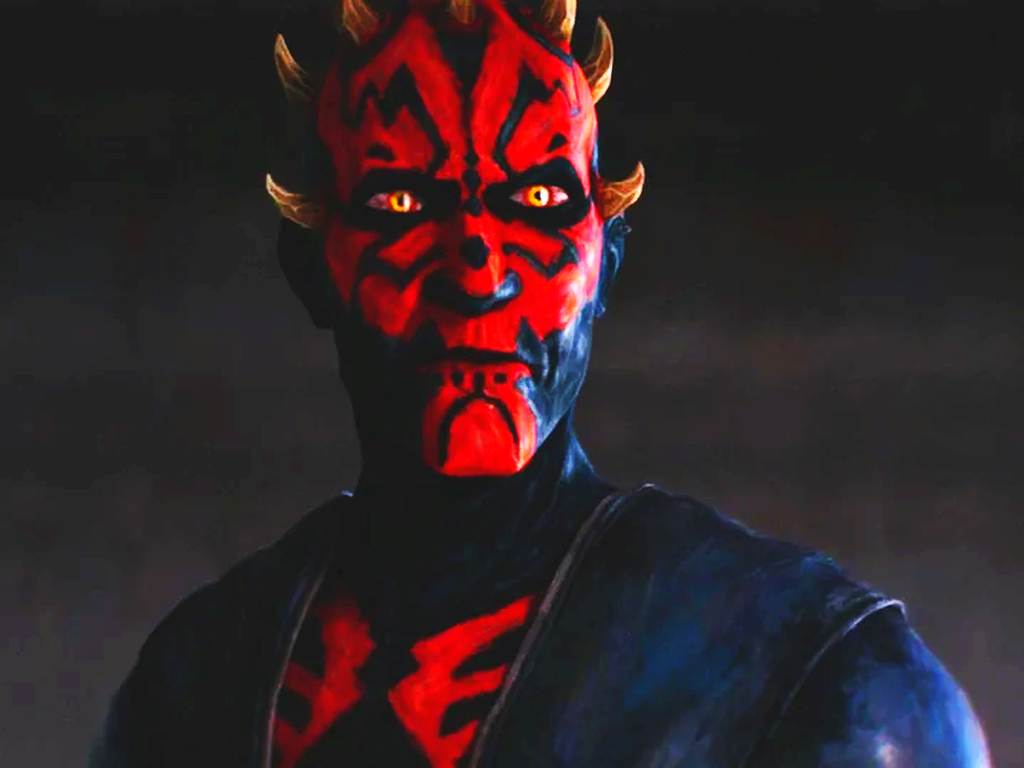
Darth Maul’s rise from fallen Sith apprentice to ruthless crime lord is one of the most compelling arcs in Star Wars canon. After surviving his apparent death in The Phantom Menace, Maul rebuilt himself—both physically and mentally—and set out to reclaim power in a galaxy that had moved on without him. His answer was the Shadow Collective, a secret alliance of the most dangerous criminal syndicates, which he controlled as the mysterious Shadow Lord. Understanding how Maul built this underworld empire reveals not only his cunning and ambition but also his lasting impact on the Star Wars universe.
Who Is Darth Maul?
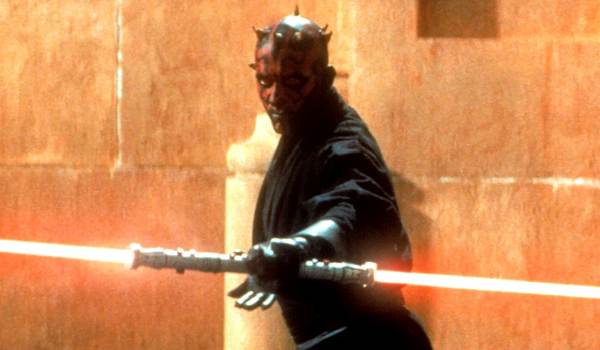
George Lucas invented the character Darth Maul, or just Maul, for the Star Wars saga. Played by Ray Park, his debut appearance was in the 1999 prequel Star Wars: Episode I: The Phantom Menace. Born in 54 BBY to Mother Talzin of the Nightsisters, he was trained as a Sith apprentice by Sidious from a young age. Raised to despise the Jedi, he sought their downfall and confronted Jedi Master Qui-Gon Jinn and Padawan Obi-Wan Kenobi during the Invasion of Naboo. He fatally stabbed Jinn but was chopped in half by Kenobi. So what happened to Maul after Phantom Menace? It turns out he was “mostly dead” and returned a decade later during the Clone Wars.
In addition to the stand-alone movie Solo: A Star Wars Story (2018), Maul made a comeback in the animated television series Star Wars: The Clone Wars (2008–2014; 2020), Star Wars Rebels (2014–2018), and now Star Wars: Maul – Shadow Lord (2026). When Disney bought Lucasfilm in 2012, Lucas abandoned his plans to include Maul in the trilogy of sequels.
What Is the Shadow Collective?
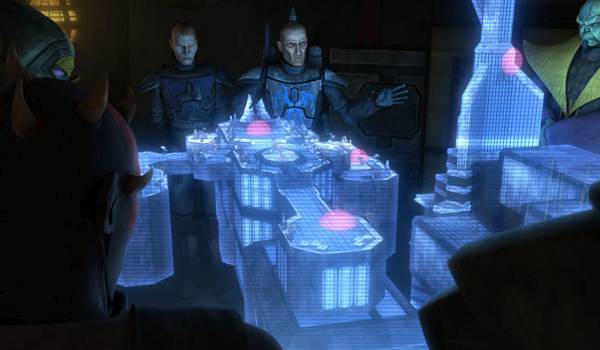
During the Clone Wars, the renegade Sith Lord Maul established the Shadow Collective, a major criminal organization and competing Sith Order. Maul, which was partially established at Mother Talzin’s request, sought to challenge Darth Sidious, the Dark Lord of the Sith, for galactic dominance and to jeopardize his plans. Its objectives included overthrowing the Galactic Republic and the Confederacy of Independent Systems. Maul created a sizable foundation of power during the conflict by uniting the armies of Death Watch, Black Sun, the Pyke Syndicate, the Hutt Clan, and the Nightbrothers.
Members of the Shadow Collective
Maul’s crime empire comprises several key groups. This section will break down who they are, what they want, and what the future holds.
Death Watch
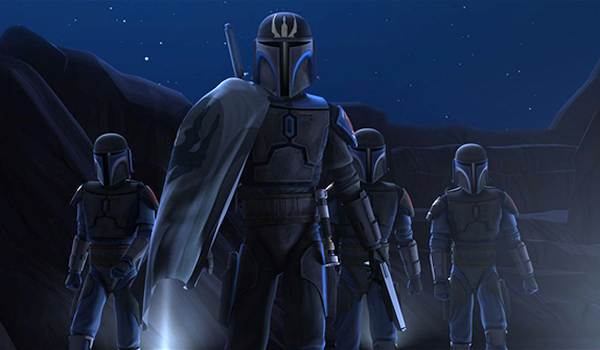
First, let’s look at Death Watch. During the Clone Wars, a Mandalorian terrorist breakaway group of fighters called the Death Watch—known as Kyr’tsad in Mando’a—opposed the pacifist Mandalore government, which was headed by Duchess Satine Kryze. They joined Maul’s Shadow Collective, which successfully seized control of the planet during the conflict, following unsuccessful attempts to seize Boba Fett’s planet. But the two former allies, Mand’alor Pre Vizsla and Maul, the leader of the Shadow Collective, developed a power struggle that ultimately led to Vizsla’s downfall, Maul’s ascent to prominence, and the division of Death Watch into the Mandalore resistance, headed by Bo-Katan Kryze, and Maul’s Mandalorian super commandos.
Their goal was to overthrow Duchess Satine Kryze’s pacifist government, restore Mandalore’s ancient warrior traditions, and return their people to a brutal, expansionist culture.
Black Sun
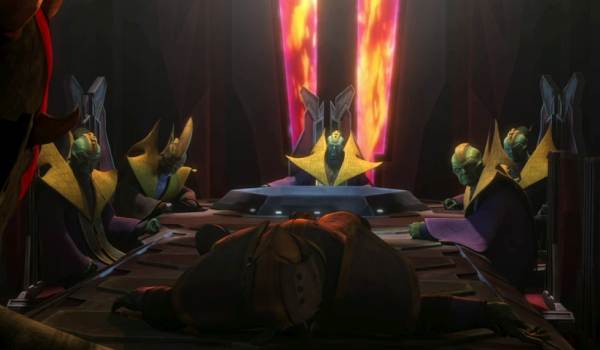
Second, another criminal organization known as Black Sun was formed during the Clone Wars. It gained notoriety as the Jedi Order prioritized military matters over law enforcement. The Shadow Collective and its leader, the rogue Sith Lord Maul, were allies of Black Sun. Numerous Falleen species were members of the syndicate, which kept bases on Mustafar and Ord Mantell.
The Black Sun wants unlimited power, profit, and influence, often positioning itself as the galaxy’s premier underworld organization. They pursue these goals through arms trafficking, spice smuggling, slavery, and assassination. They often align with or against major powers—such as the Republic or the Empire—to exploit chaos and maximize profits
Pyke Syndicate
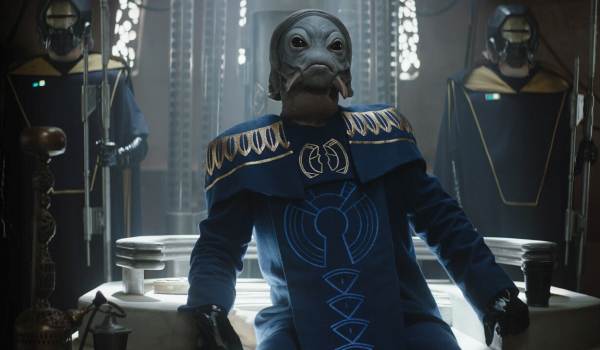
The third organization is the Pyke Syndicate, also referred to as the Syndicate. The Pyke Family, or just the Pykes, were members of the Spice Cartel and traffickers of the same species. They operated in the criminal underground from their homeworld of Oba Diah, where they had nearly total control over the galaxy’s raw spice production. They were among the Galaxy’s most potent syndicates.
The Pyke Syndicate primarily seeks total control over the galaxy’s illicit spice trade, leveraging their monopoly on mining operations on Kessel to generate wealth and power. They desire expansion of their criminal empire into new territories (like Tatooine) and seek to maintain profitable alliances with major powers or factions, such as the Shadow Collective or the Empire, to secure their logistical routes.
Crimson Dawn
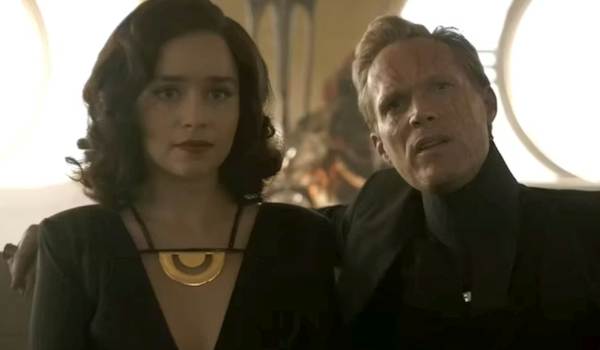
Crimson Dawn was a criminal syndicate led by the former Sith Lord Maul, later employing Dryden Vos as its public face during the Galactic Empire’s reign. Qi’ra served as Vos’ lieutenant but took over after killing him. Following Maul’s death, Qi’ra, now titled “Lady,” restructured Crimson Dawn to destabilize the galaxy and defeat Darth Sidious and Darth Vader. She aimed to exploit the disorder caused by Crimson Dawn to succeed where Maul had failed, establishing a network of agents to prepare for their secret war against the Sith.
They seek to control the galactic underworld, disrupt the Galactic Empire, and destroy the Sith through chaos, political manipulation, and clandestine warfare.
How Maul Became the Shadow Lord
After surviving his defeat by Obi-Wan Kenobi, Darth Maul’s path shifted from vengeance to power through cunning and strategic alliances. He first aligned with Death Watch, the Mandalorian splinter group, leveraging their military strength to assert control over Mandalore. Recognizing the potential of the criminal underworld, Maul then formed the Shadow Collective, uniting powerful syndicates like Black Sun, the Pyke Syndicate, and later Crimson Dawn under his leadership. Through manipulation, intimidation, and calculated strikes, Maul claimed the title of Shadow Lord, becoming the clandestine force that reshaped the galaxy’s underworld and rivaled even the Sith in influence.
The Shadow Collective’s Role in Star Wars
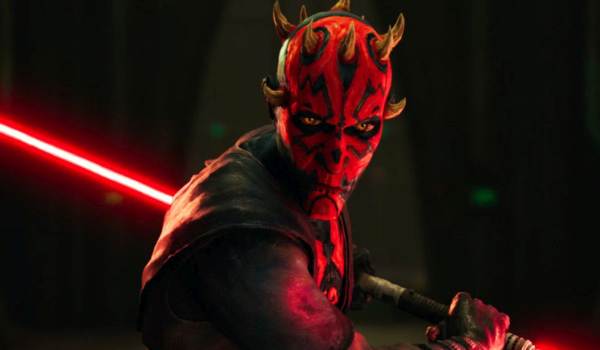
The Shadow Collective was more than just a criminal alliance—it was Darth Maul’s instrument to reshape the galaxy’s underworld. By uniting dangerous factions like Death Watch, Black Sun, Pyke Syndicate, and Crimson Dawn, Maul created a network that controlled trade routes, enforced loyalty through fear, and challenged rival powers.
This alliance gave Maul significant influence during the Clone Wars, allowing him to strike at the Jedi, manipulate political outcomes, and assert dominance over planets like Mandalore. Though the Collective eventually fragmented after clashes with Darth Sidious and the Jedi, its impact on galactic crime and politics was long-lasting.
Even after its fall, the Shadow Collective’s legacy continued through successor organizations, showing that Maul’s ambition as the Shadow Lord left a permanent mark on Star Wars lore.
What Happened to the Shadow Collective?
Despite Darth Maul’s cunning leadership, the Shadow Collective ultimately fell apart due to internal conflicts and external pressures. After Maul’s confrontations with Darth Sidious and the Jedi, key factions like Death Watch, Black Sun, and the Pyke Syndicate began to splinter. Without a unifying force, the once-powerful alliance could no longer maintain control over the galactic underworld.
Some elements of the Collective survived in smaller crime syndicates, while others, like Crimson Dawn, continued under new leaders such as Qi’ra, carrying forward parts of Maul’s vision. Though the Shadow Collective ceased to exist as a single entity, its influence on galactic crime and politics remained significant, leaving a lasting legacy in Star Wars canon.
Why the Shadow Collective Still Matters
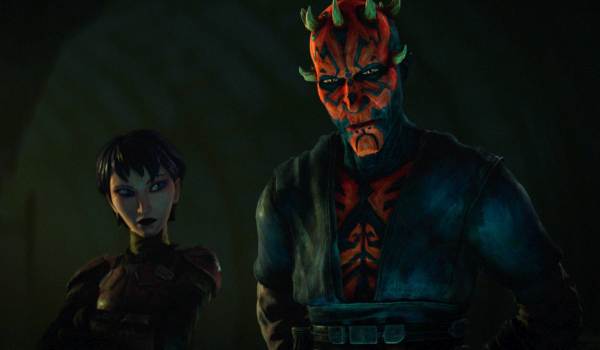
Even though the Shadow Collective eventually fell, its impact on the Star Wars universe continues to resonate. Darth Maul’s strategies and alliances reshaped the galactic underworld, influencing the rise of later criminal organizations like Crimson Dawn. The Collective demonstrated how power, ambition, and cunning could challenge both the Jedi and the Sith, showing that control of the shadows could rival control of the light.
For fans and storytellers, the Shadow Collective offers insight into Maul’s character as the Shadow Lord and the complex politics of the Star Wars galaxy. Its legacy continues to appear in series like Star Wars: The Clone Wars and Solo, proving that Maul’s dark empire left a lasting mark on both lore and fan imagination.
In Conclusion
The Shadow Collective may have ultimately fallen, but Darth Maul’s legacy as the Shadow Lord continues to resonate across Star Wars stories. From his strategic alliances with Death Watch, Black Sun, and the Pyke Syndicate to his takeover of Mandalore, Maul’s cunning reshaped the galactic underworld and left a lasting mark on Clone Wars events. Exploring the Shadow Collective and Maul’s rise as Shadow Lord provides fans with a deeper understanding of his influence, power, and the dark forces that shaped the Star Wars universe.
Which Shadow Collective faction is your favorite? Let us know in the comments below and share it with your friends on social media!
Discover more from The Geek Twins
Subscribe to get the latest posts sent to your email.
